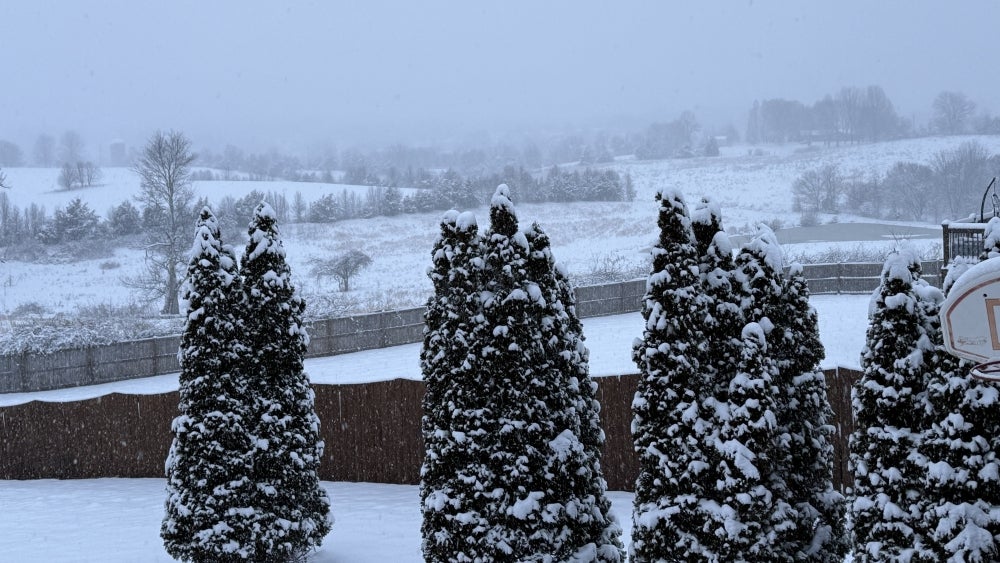
A powerful winter storm, Gianna, is producing heavy snow and hazardous conditions across the Southeast, prompting more than 2,000 U.S. flight cancellations (Hartsfield-Jackson and Charlotte Douglas each 500+ cancellations; Raleigh-Durham ~120), event cancellations/postponements (Braves Fest canceled; NASCAR Cook Out Clash postponed), and localized snowfall up to ~9 inches with bands exceeding 1 inch/hour in the Piedmont. The storm is exacerbating infrastructure stress—bridges icing, dangerous roadways, and lingering power outages from a prior storm (over 150,000 customers still without power in parts of TN/MS/LA)—with short-term implications for regional air travel, logistics, and winter heating demand; NASA also delayed Artemis II tanking to Feb. 2, pushing the earliest launch to Feb. 8 due to the cold.
Market structure: Short-duration winners are energy midstream and spot natural gas; demand for heating and backup generation raises near-term nat-gas consumption and power draws, supporting front-month NG prices by an expected 5–15% if subfreezing temps persist 7–14 days. Losers are airlines, airport service providers and event/recreation operators in the Southeast (ATL, CLT hubs) where cancellations exceed 500/day — ticket revenue and ancillary spend hit for days and ops costs spike.
Risk assessment: Tail risks include multi-day airport closures, extended power outages (>72 hours) or transmission damage leading to utility capex/earnings shocks and insurance losses; these would widen credit spreads for smaller municipals and regional carriers within 1–3 months. Hidden dependencies: ground logistics (UPS/FDX) will suffer knock-on delays even if air ops recover, and Arctic hardware delays (e.g., Artemis II) show aerospace schedule risk that can cascade into supplier revenue timing.
Trade implications: Short-term trades favor long front-month NG (or UNG call spreads) and long defensive regulated utilities; short near-term airline equity/IV (DAL, AAL, UAL) via 2–6 week puts sized conservatively (1–2% portfolio each). Pair opportunities: long UPS vs short DAL for 2–6 week relative strength if surface freight outperforms air; use 3–6 week option spreads to limit tail gamma.
Contrarian angles: Consensus fears of multi-week airline underperformance may be overdone—historical winter storms produce deep but brief drawdowns (median 10–20% bounce in 2–6 weeks). If cancellations normalize within 3 days and IV remains elevated, consider selling short-dated put spreads on high-quality airline names to capture premium. Monitor FlightAware cancellations, NOAA 10-day anomalies and EIA weekly storage as immediate catalysts.
AI-powered research, real-time alerts, and portfolio analytics for institutional investors.
Request DemoOverall Sentiment
moderately negative
Sentiment Score
-0.35
