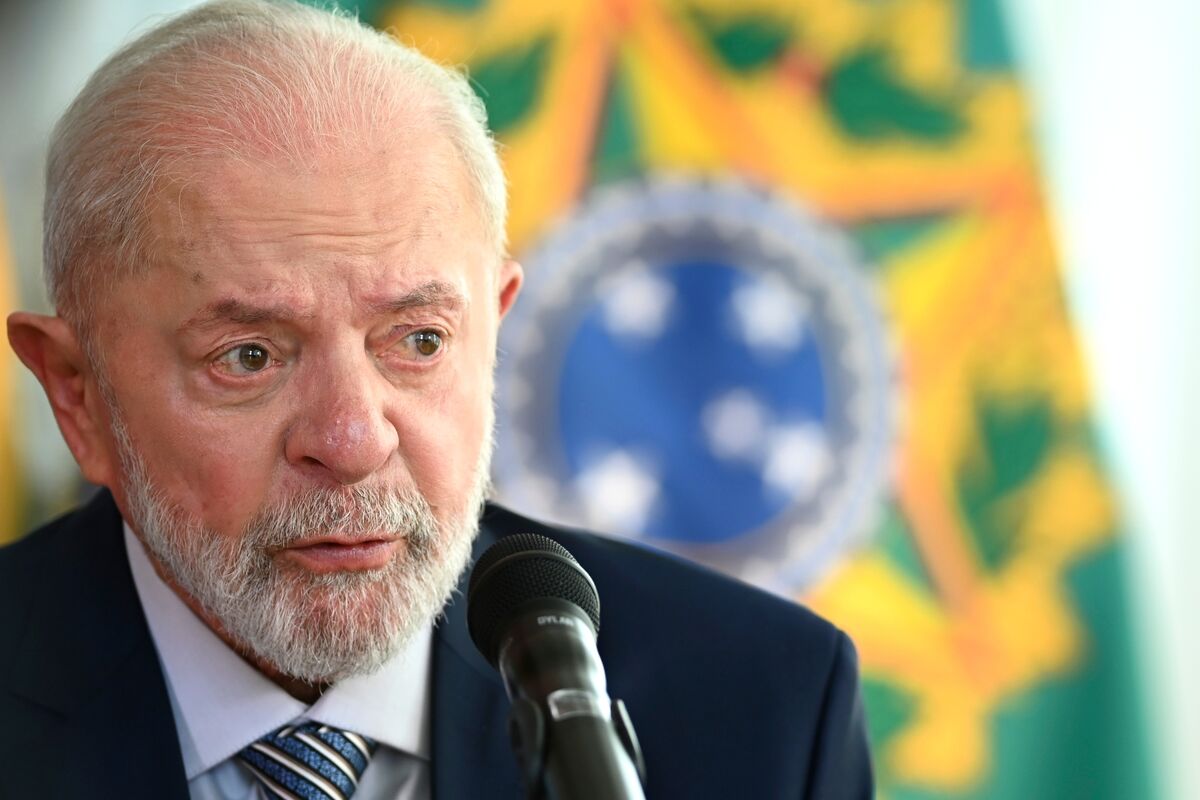
Brazilian President Luiz Inacio Lula da Silva stated Brazil is open to trade negotiations with the US, particularly under a potential Donald Trump presidency, but only if treated as an equal and without succumbing to political pressure. Lula emphasized Brazil's commitment to supporting its companies and workers, indicating readiness for talks on equitable terms. This signals Brazil's firm stance on future bilateral trade relations, prioritizing national interests and sovereignty.
Brazilian President Luiz Inacio Lula da Silva has articulated a firm and conditional stance on future trade negotiations with the United States, specifically in the context of a potential Donald Trump presidency. The core of his message is that Brazil is open to dialogue but will only engage on "equal terms," signaling a rejection of any perceived subordinate position. This defensive posture, underscored by a commitment to support Brazilian companies and workers, suggests a potentially more protectionist or nationalistic trade policy framework. The statement serves as a preemptive geopolitical signal ahead of the US election, setting expectations for a more assertive Brazilian approach in bilateral relations. While the immediate market impact is low, this rhetoric introduces a layer of political uncertainty for the key emerging market, indicating that future trade agreements will be heavily scrutinized through the lens of national interest, potentially leading to more contentious negotiations.
AI-powered research, real-time alerts, and portfolio analytics for institutional investors.
Request DemoOverall Sentiment
mixed
Sentiment Score
0.00
