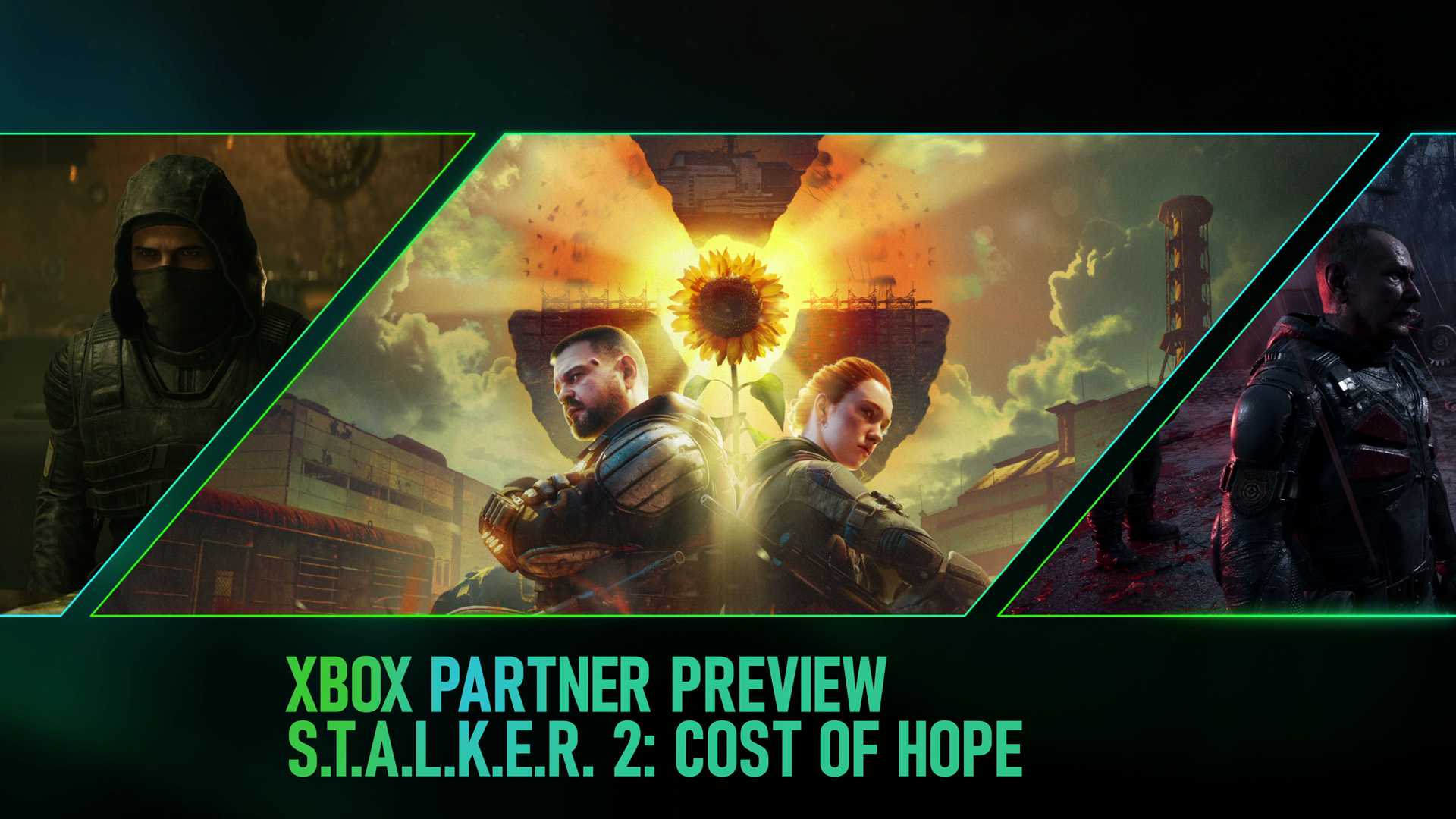
S.T.A.L.K.E.R. 2: Cost of Hope, the first major expansion for Heart of Chornobyl, is scheduled for Summer 2026 and will release on Xbox Series X|S, Xbox on PC, Xbox Cloud, PC (Steam, Epic, GOG) and PS5 with Xbox Play Anywhere support. The DLC delivers a substantial new storyline (described as 'dozens of hours'), two large new regions (Iron Forest and Chornobyl Nuclear Power Plant), and new/returning characters, and will act as the middle chapter of a new S.T.A.L.K.E.R. trilogy. For investors, this is a clear engagement/product milestone for GSC Game World and platform partners that could modestly boost player retention and cross-buy value but is unlikely to drive material moves in broader markets.
A large, narrative-first DLC for a known AAA IP functions like a retention and reactivation engine rather than a near-term hit-driven sales event — expect most measurable effects in user engagement metrics (playtime, weekly active users) over the 1–6 month window after launch. Historically, major expansions for deep single-player RPGs lift platform engagement by ~10–30% for 6–12 weeks and add a durable tail of catalog sales; that pattern implies platform owners and storefronts capture the bulk of incremental revenue through distribution and potential subscription bundling, not the developer alone.
The multi‑platform + cross‑buy characteristic materially lowers friction for marginal purchases and increases optionality for bundling into subscriptions or promotional offers; this creates a lever for Xbox/Azure to push cloud-play sessions and trial conversions in Summer ‘26. For cloud operators, each hour of streaming is non-linear for data center load and marginal revenue per user — so even a modest 5–10% uplift in streaming hours over a quarter can outsize near-term gross margin flow through in that segment.
Second-order hardware demand is real but modest: a single AAA expansion rarely drives a discrete GPU cycle, but it does increase upgrade intent among core PC players, likely translating into a 1–3% incremental GPU/peripheral lift concentrated in the release quarter and the following 2–3 months. Engine/toolchain vendors and QA/asset pipeline service providers (middleware, localization) disproportionately capture margin from large expansions; conversely, small publishers competing for the same summer window face compressed discovery and marketing ROI.
Principal tail risks are execution and reception: technical performance issues or poor critical reception can convert retention upside into reputational drag, reversing platform goodwill in days. Longer horizon risks include geopolitical sensitivity around the IP and a crowded summer slate which can dilute measurable impact to platform economics; monitor early review scores and first‑week engagement KPIs as immediate binary catalysts.
AI-powered research, real-time alerts, and portfolio analytics for institutional investors.
Request DemoOverall Sentiment
mildly positive
Sentiment Score
0.35
