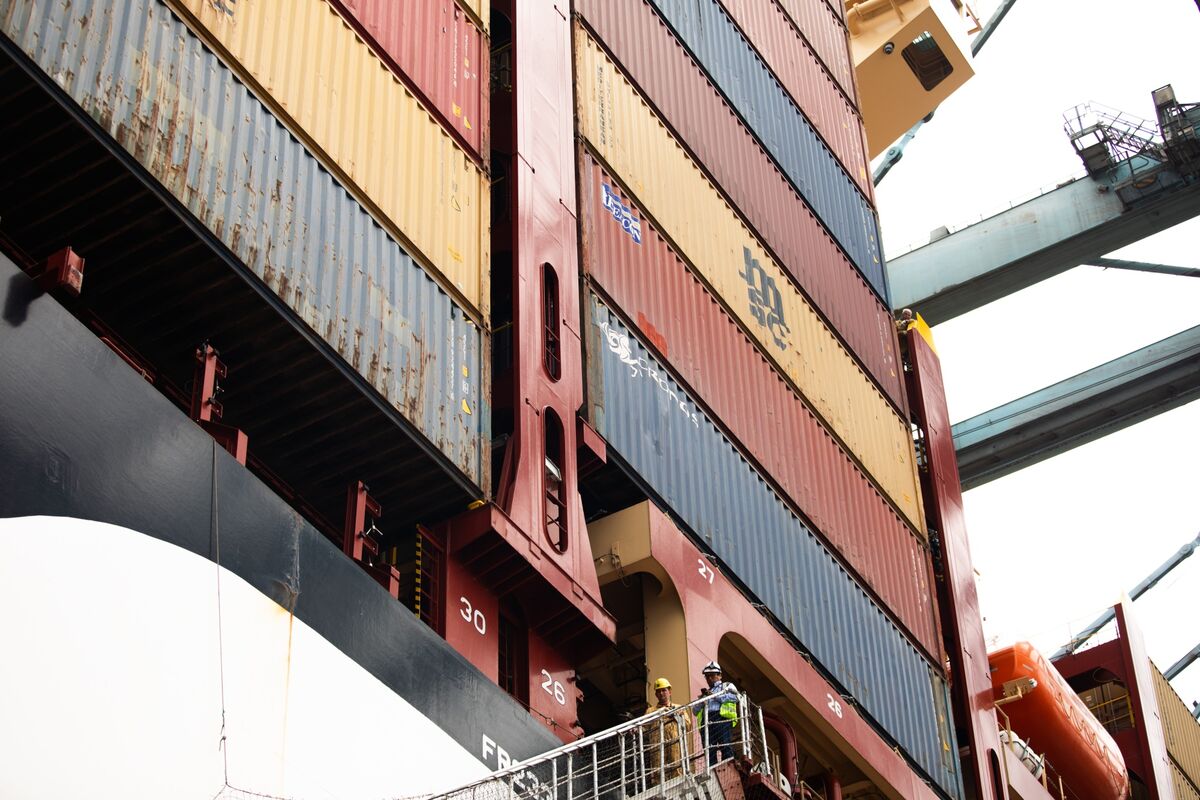
High tariffs and an explicit push to reshore under President Trump have yet to deliver a manufacturing rebound: payrolls have fallen in almost every month of the year and are down 54,000 since end-2024, while industrial production is up only 1.6% over that span and remains below 2023 levels. The Biden-era stimulus for chip and renewable-energy plants initially spurred factory construction, but manufacturer construction spending peaked last year and declined for seven consecutive months through August, signaling waning investment and a mixed outlook for industrial equities, supply-chain realignment away from China, and related policy-driven sectors.
Market structure: Tariff-driven reshoring is fragmenting supply chains rather than quickly rebuilding US capacity — manufacturing payrolls down 54,000 since end-2024 and construction spending in manufacturing down seven straight months through Aug — so beneficiaries are niche domestic capital goods and logistics players able to capture higher-margin local production, while import-dependent retailers and Chinese exporters lose share. Pricing power will bifurcate: domestic capital-equipment makers (semi tools, automation) can sustain pricing if orders consolidate, but broad industrial OEMs face weaker demand and lower utilization for several quarters (production +1.6% YTD but below 2023).
Risk assessment: Tail risks include rapid tariff escalation (retaliatory tech export controls from China) that could knock 100–300bps off specific revenue lines for exposed firms, or a fiscal shock if subsidies (CHIPS/IRA) roll off, reversing capex flows. Near-term (days–weeks) market swings will track tariff announcements and CPI prints; medium term (3–12 months) depends on capex cadence and labor market trends; long term (2–4 years) is secular supply-chain realignment with higher structural costs. Hidden dependencies: OEM margins hinge on imported intermediate inputs and freight costs, so onshoring doesn’t insulate without parallel inputs reshoring. Catalysts: tariff rounds, CHIPS/IRA funding milestones, and 3 consecutive monthly manufacturing payroll gains would materially change signals.
Trade implications: Favor selective longs in semiconductor-equipment and automation (exposure to onshoring capex) and logistics names capturing domestic freight share; short China-export ETFs and import-heavy retail. Use relative-value pairs (long AMAT/SMH vs short MCHI/FXI) and volatility-defined option structures to limit downside. Timing: position incrementally over 2–8 weeks and scale on tariff or CPI surprises; unwind on 3-month sustained improvement in manufacturing payrolls or clear subsidy renewals.
Contrarian angles: Consensus expects permanent near-term manufacturing revival; instead expect a multi-year period of higher unit costs and concentrated winners. Market may underprice capex beneficiaries (semicap tools, automation) that still have multiyear order backlogs — historical parallel: 2010s onshoring waves where equipment vendors outperformed OEMs by 20–40% over 18–36 months. Unintended consequences: higher domestic input costs could accelerate automation (favoring robots/tools) and increase inflation volatility, creating asymmetric upside for select suppliers while depressing broad industrial earnings.
AI-powered research, real-time alerts, and portfolio analytics for institutional investors.
Request DemoOverall Sentiment
moderately negative
Sentiment Score
-0.45
