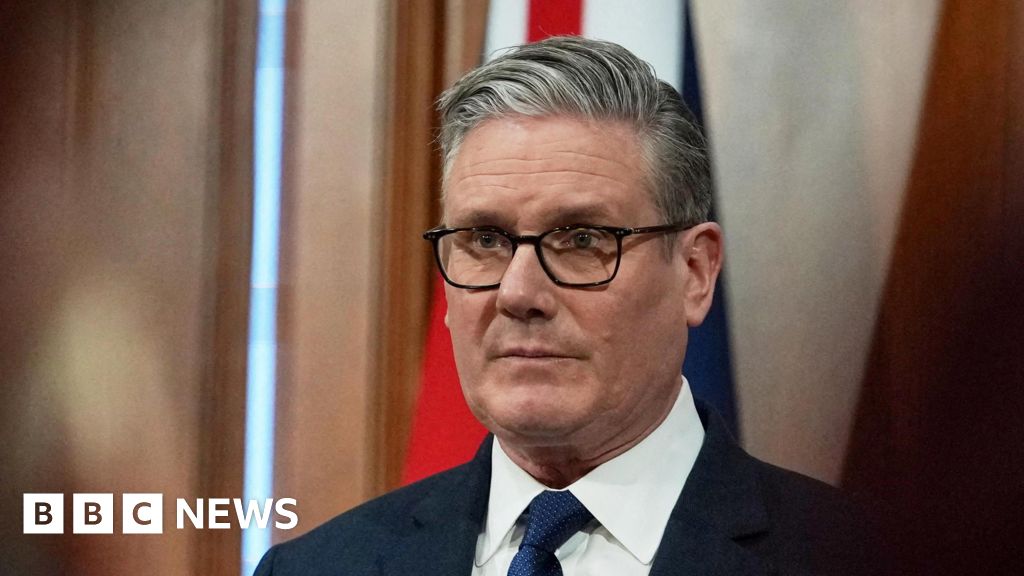
Prime Minister Sir Keir Starmer declined to implement broad emergency fiscal measures despite risks from the Iran conflict, offering only targeted support for heating-oil users and deferring wider household energy bill assistance until the autumn. He signalled the proposed September fuel-duty increase is under review (widely expected to be scrapped), indicating constrained near-term fiscal intervention that could keep upward pressure on household energy and transport costs. Politically, Starmer is distancing the UK from a US-led military role while pushing for closer post-Brexit ties with the EU (without rejoining the single market), adding policy uncertainty for UK-sensitive sectors and investor sentiment.
A heightened geopolitical risk premium is the most direct market channel to watch: constrained seaborne crude flows or even intermittent insurance-driven rerouting can lift Brent by $10–25/bbl over weeks, with the first-order winners being commodity producers and the first-order losers being energy-intensive industrials and airlines. That move is non-linear — a two-week chokepoint shock compresses refinery run schedules and pushes spot freight and war-risk premia far faster than producers can increase cargo flows, amplifying near-term cashflow upside for integrated producers while stranding refining margins.
Domestically, a policy stance that leaves households and businesses to absorb shocks mechanically creates a timing mismatch between headline inflation and discretionary consumption, producing a measurable “cliff” risk in consumer demand 3–9 months out. Credit impulse into mortgages and auto loans will likely soften first in lower-income segments; secondary effects include weaker construction activity and a rotation from discretionary retailers into value/discount formats and essentials.
A strategic tilt toward de-risking US alignment while seeking deeper regulatory alignment with continental partners alters structural exposures: an improvement in cross-border services frictions would be a multi-year positive for UK wholesale financials and asset managers, but only if policymakers deliver credible regulatory equivalence. In the interim, election- and policy-driven volatility will keep a premium on UK political-risk-sensitive assets and create tactical windows for convex option trades around key diplomatic and summit dates.
AI-powered research, real-time alerts, and portfolio analytics for institutional investors.
Request DemoOverall Sentiment
mildly negative
Sentiment Score
-0.25
