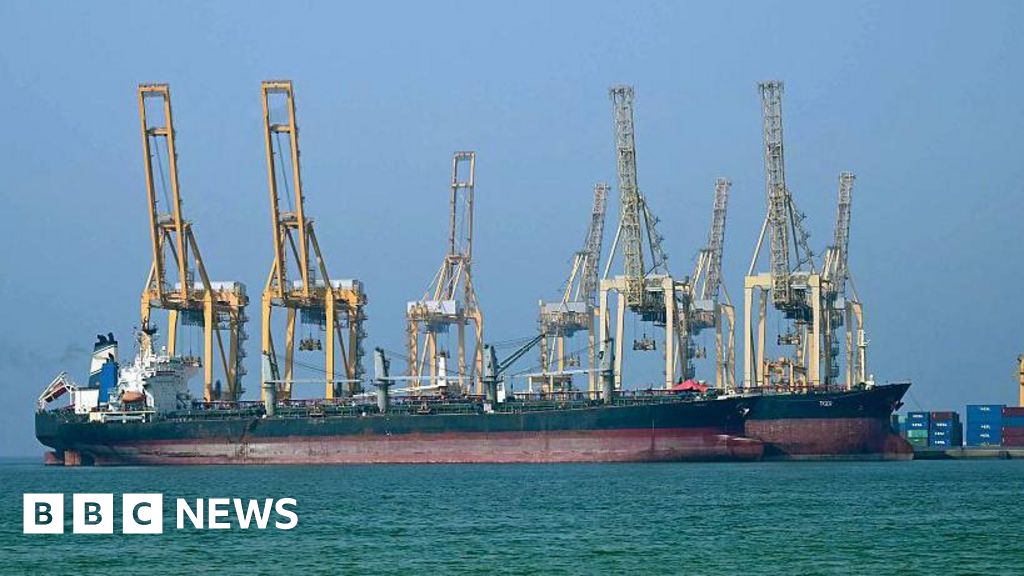
Iran has released the Marshall Islands‑flagged product tanker Talara, seized five days earlier in the Strait of Hormuz, Columbia Shipmanagement said, adding all 21 crew are safe and the vessel is free to resume operations. The IRGC had intercepted Talara about 20 nautical miles off Khor Fakkan and diverted it to Bandar Abbas, alleging it carried unauthorised cargo, while the ship manager said no allegations were made against the vessel, crew or owners before its release; the ship was en route from the UAE to Singapore with high‑sulphur gasoil. The episode — the first seizure since Iran's 12‑day war with Israel in June — highlights ongoing IRGC enforcement risks to a waterway that handles roughly 20% of global oil and gas shipments, though the swift release should limit immediate market disruption.
Iran released the Marshall Islands-flagged product tanker Talara after five days in Iranian custody, Columbia Shipmanagement said, reporting all 21 crew were safe and the vessel was "free to resume normal operations". The tanker was seized about 20 nautical miles off Khor Fakkan and diverted to Bandar Abbas while en route from the UAE to Singapore with a cargo of high-sulphur gasoil; the IRGC said it intercepted the vessel for carrying "unauthorised cargo" though the manager reported no formal allegations prior to release.
This was the first seizure since Iran's 12-day war with Israel in June and underscores persistent enforcement risk in the Strait of Hormuz, a chokepoint handling roughly 20% of global oil and gas shipments. The five-day detention followed by a swift release suggests limited immediate physical disruption to flows, consistent with the provided market-impact signal indicating modest effect and mildly positive sentiment, though headline-driven volatility remains possible.
Primary transmission channels for market impact are rerouting costs, higher freight and war-risk insurance premiums, and operational interruptions for shippers and traders; repeated incidents would materially raise these costs. Investors should therefore monitor IRGC actions, regional diplomatic developments, tanker AIS behavior, freight derivatives and insurance-premium movements as the near-term indicators of escalating risk to energy and shipping exposures.
AI-powered research, real-time alerts, and portfolio analytics for institutional investors.
Request DemoOverall Sentiment
mildly positive
Sentiment Score
0.25
