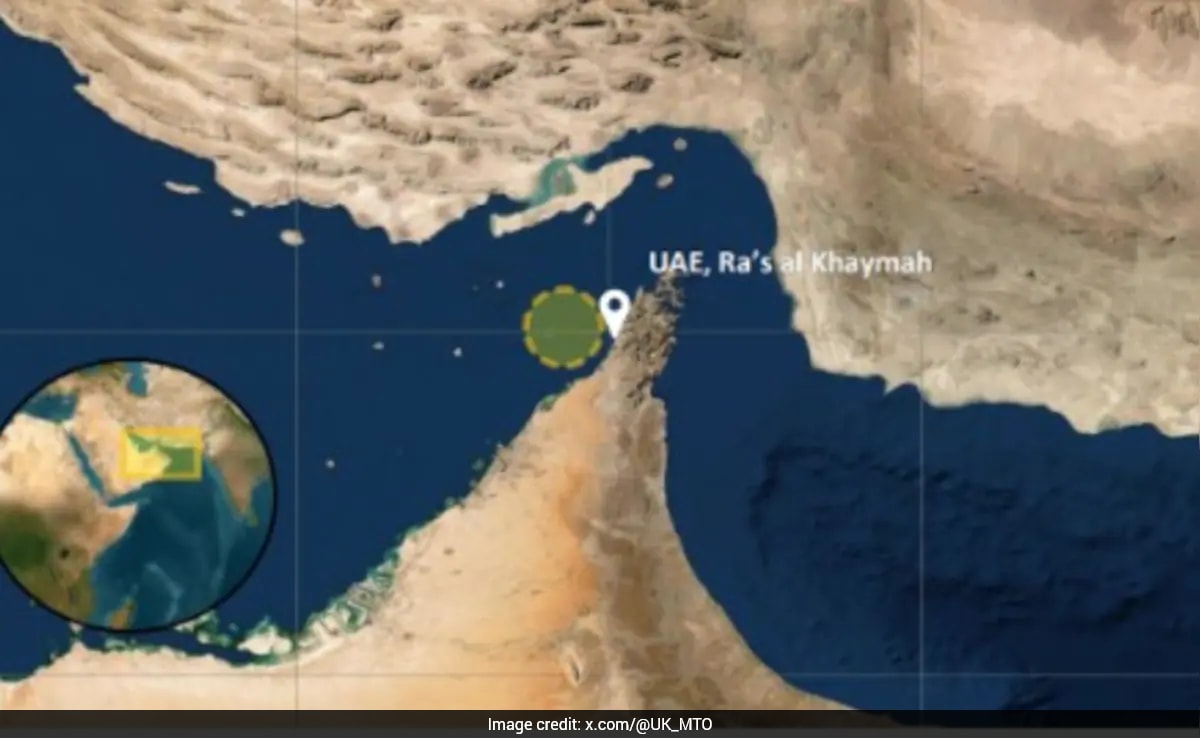
A container ship was struck by an unidentified projectile 25 nautical miles northwest of Ras Al Khaimah; the vessel was damaged but all crew are reported safe and the extent of damage is unknown. The attack comes amid Iran-backed tensions in the Gulf — Iran's Revolutionary Guards claim control of the Strait of Hormuz and at least 10 oil tankers were struck or reported attacked between March 1–10. Implication: elevated risk to Persian Gulf shipping and energy flows with potential upward pressure on oil prices, higher insurance and freight costs, and increased operational disruptions for regional logistics.
This incident is another data point in a clustered campaign that is shifting the marginal cost of seaborne trade rather than just creating one-off headline risk. Expect an immediate, visible repricing: spot freight and insurance (war-risk) premiums will spike within days, while cargo owners shift volumes into longer contracts and contingency inventories over the next 1–3 months. The practical cost of rerouting around chokepoints (longer voyages, higher bunkers, reduced sailings) will compress effective fleet capacity by an amount equivalent to removing several percent of available tonnage — a lever that amplifies rate moves for both tankers and containerships.
Second-order winners include well-capitalized, flexible tonnage owners (who can capture spot rate upside) and private maritime-security providers; losers are fixed-rate liner carriers with weak balance sheets, manufacturing supply chains that rely on tight just-in-time flows, and commodity buyers exposed to Brent differentials. Over a 3–12 month horizon, expect cargo contracts to shift from spot toward multi-month fixtures, increasing earnings visibility for carriers with long-term charters while raising working capital needs for importers. A rapid de-escalation (naval convoying, diplomatic deal, or robust deterrent strike) would compress spreads quickly — these are the key catalysts to watch.
Tail risks are asymmetric: a prolonged, effective interdiction or mine campaign could move Brent +$20–40 in weeks and create multi-week delivery dislocations for finished goods, while limited skirmishes typically produce only transitory rate moves and sharp V-shaped recoveries in equities. Monitor tanker fixture indices, war-risk premium notices, and US/UK naval escort announcements as high-frequency signals that will determine if market repricing is transient or structural.
AI-powered research, real-time alerts, and portfolio analytics for institutional investors.
Request DemoOverall Sentiment
strongly negative
Sentiment Score
-0.60
