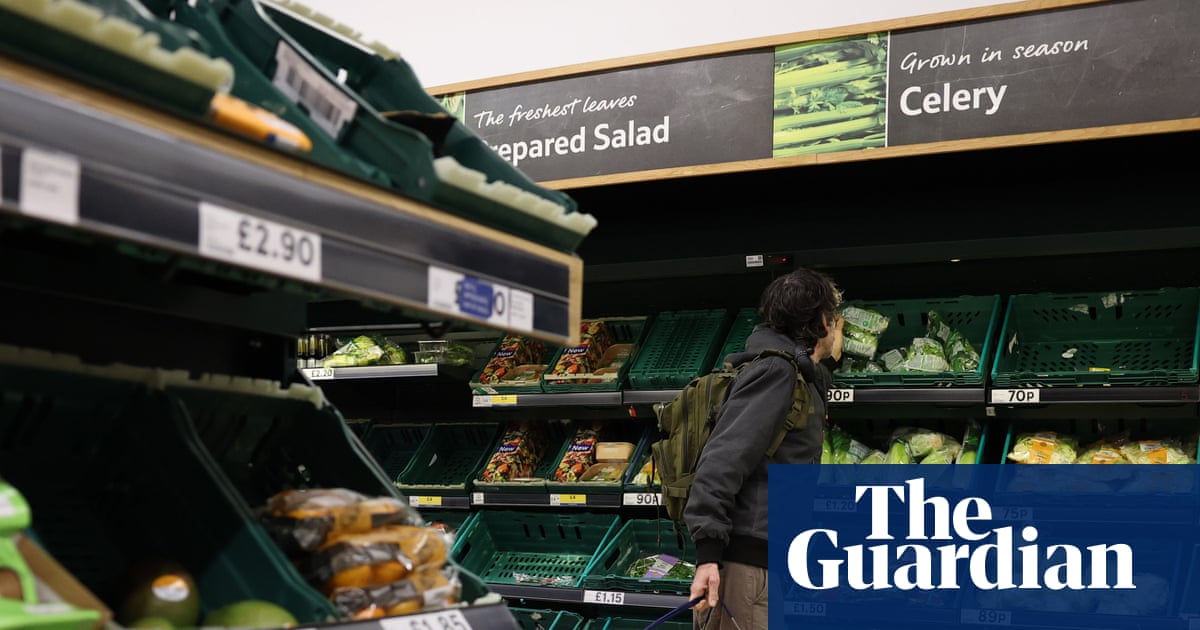
UN FAO food commodity price index rose 2.4% in March (second monthly increase); vegetable oils +5%, sugar +7%, and global wheat +4.3%. The report warns the Middle East war is raising fuel, fertiliser and freight costs and could leave global food prices 15–20% higher in H1 2026 if the crisis persists. UK trade groups now expect food prices to rise ~9% by end-2026 (vs 3.2% previously), and UK CFOs plan price increases averaging 3.7% over the next year, signalling broader inflationary pass-through to consumers and corporates.
The immediate supply shock is acting as a supply-chain tax on calorie production with transmission channels that are staggered across horizons: freight and energy moves first (days–weeks), fertilizer and input shortages show up in planting decisions (months), and harvested tonnage effects feed through to retail pricing and CPI measures over the next two to four quarters. This sequencing creates asymmetric opportunity windows — freight and charter rates spike quickly and mean-revert when routes reopen, whereas reduced planting and deferred fertiliser applications crystallise as tangible crop deficits one season out.
Second-order winners will be firms that capture rate or input spreads rather than commodity price appreciation: leaseback/asset-light ocean carriers, grain aggregators with logistics control, and fertilizer miners/processors with low marginal costs. Conversely, businesses with low pricing power and long low-margin inventory cycles (perishable distribution, some casual-dining chains, import-dependent packaged-food SMEs) face margin squeeze and working-capital strain even if headline food inflation is partially offset later by substitution.
On macro risk, elevated food inflation raises the floor on core services inflation indirectly by sustaining consumer-price expectations; central banks that respond with tighter policy risk tipping cyclical demand into softness, compressing discretionary segments while preserving staples’ volumes. The key reversals are geopolitics (rapid reopening of chokepoints/insurance normalization), an outsized planting response in competing hemispheres, or an abrupt demand pullback if monetary tightening bites — each flips different parts of this chain on 1–9 month timelines.
AI-powered research, real-time alerts, and portfolio analytics for institutional investors.
Request DemoOverall Sentiment
moderately negative
Sentiment Score
-0.60
