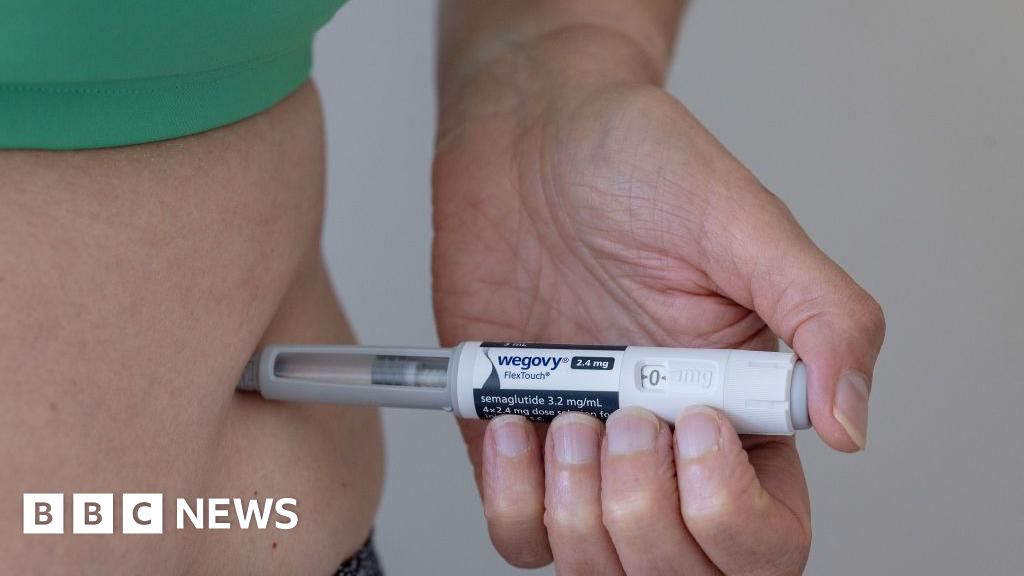
Novo Nordisk warned that steep price cuts for its obesity drug Wegovy, amplified by a US administration 'most favoured nation' deal and intensifying competition and patent expiries, will pressure results, prompting guidance that profits and sales could fall by as much as 13%. The stock plunged roughly 18% after CEO Maziar Mike Doustdar called the pricing pressures 'unprecedented' and 'painful', framing the price reduction as an investment to broaden access. The combination of government-driven price concessions, competitive entrants and expiring patents materially raises downside risk to near-term earnings and warrants re-evaluation of revenue forecasts for Novo and peers in GLP-1 therapies.
Market structure: The immediate winners are payers and government programs (Medicare, TrumpRx) and price-sensitive patients as access expands; incumbent pricing power for NVO (NVO) is structurally impaired as US realised prices move toward $245–$350/month versus prior >$1,000, implying near-term gross-margin compression of 5–15% if rebates/volume do not fully offset. Competitive dynamics accelerate commoditisation — branded GLP-1s face copycats and intensified marketing from LLY, so market-share fights will be volume-driven not price-insulating, pressuring SGA-to-sales ratios over the next 2–8 quarters. Cross-asset: expect NVO equity IV to remain elevated (20–40% above historical) and short-term widening of pharma credit spreads (~10–30bps); risk-off could compress high-grade yields and modestly strengthen USD, pressuring DKK-quoted earnings when repatriated.
Risk assessment: Tail risks include US policy escalation (expanding ‘most favoured nation’ to more drugs) and accelerated patent challenges — both low-probability but could double revenue downside (>25%) over 12–24 months. Time buckets: days — kneejerk 15–25% equity moves and IV spikes; weeks–months — guidance resets and job cuts drive 10–20% EPS downgrades; 1–3 years — larger patient base could restore pricing power if providers differentiate delivery/indications (partial recovery possible). Hidden dependencies: NVO’s margin outlook hinges on rebate mechanics, formulary placement, and manufacturing scale for peptide generics; catalysts to watch: CMS guidance, Q1/Q2 earnings, patent litigation outcomes within 30–180 days.
trade implications: Direct — consider a tactical 2–3% portfolio short of NVO via 3-month 20% OTM puts or short equity if you expect continued guidance slippage (target 12–20% downside); keep stop at 10% adverse move. Pair — long UNH (1–2% position) vs short NVO (size matched) to capture payer upside from lower drug costs and relative earnings stability over 3–12 months. Options — for lower capital, buy 3–6 month put spreads on NVO (20/35% OTM) to cap cost while capturing downside; sell covered calls on existing NVO longs to harvest premium. Sector rotation — reduce overweight in large-cap obesity/diabetes pharmas and increase exposure to insurers (UNH), PBMs, and selective CDMOs that win volume (Lonza-like) over 6–18 months.
contrarian angles: Consensus underestimates volume elasticity — price cuts that halve realised prices could expand the addressable market by 2x–3x over 12–24 months, partially restoring revenue even at lower ASPs; peptide complexity limits true generic substitution vs small-molecule analogues, so durability may be longer than feared. The 18% drop may be overdone if NVO executes access investments and protects margins via formularies and delivery innovations; set accumulation trigger: consider building a 1–3% long if NVO falls >25% from current levels with clear signs of stabilized net price or successful cost cuts within 6 months. Unintended consequence: aggressive price-led adoption could invite stricter safety oversight, creating episodic headline risk but also higher long-term utilization for incumbents who manage safety and supply.
AI-powered research, real-time alerts, and portfolio analytics for institutional investors.
Request DemoOverall Sentiment
strongly negative
Sentiment Score
-0.70
Ticker Sentiment
