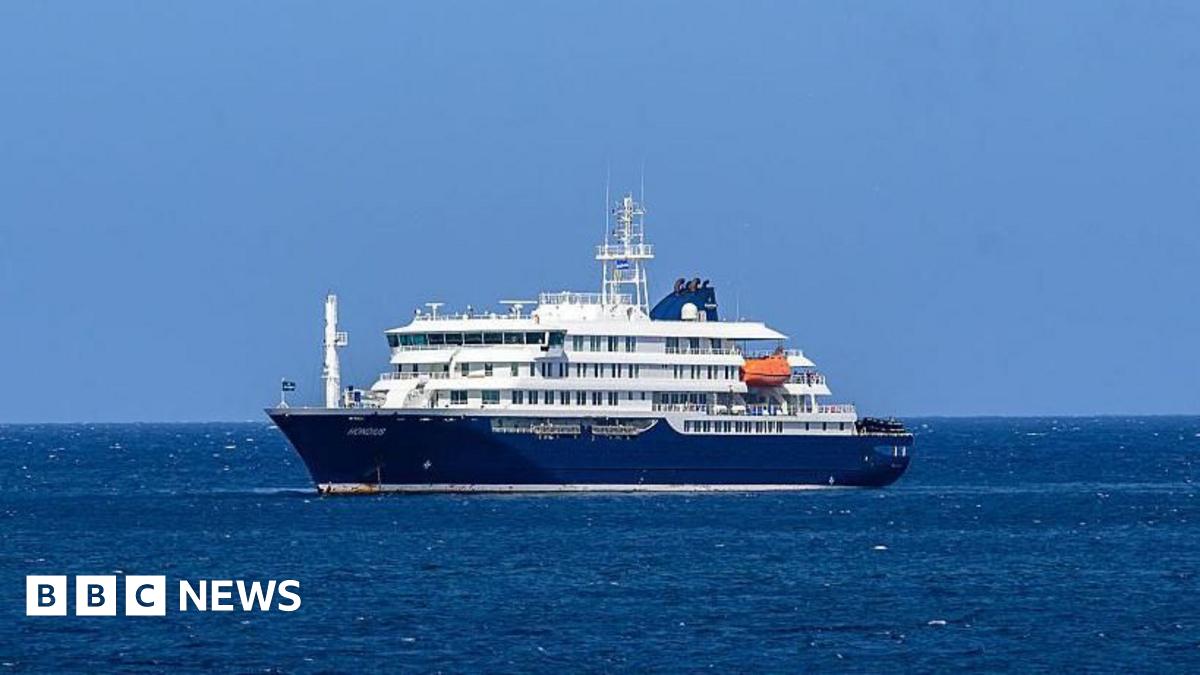
A suspected hantavirus outbreak on the MV Hondius cruise ship has left three passengers dead and a 69-year-old UK national critically ill in Johannesburg, with two additional crew members showing acute respiratory symptoms. Oceanwide Expeditions says the deaths are under investigation, while South African and Cape Verdean authorities are coordinating medical screening and disembarkation plans. The incident is likely to pressure sentiment around cruise and expedition travel operators, though broader market impact should remain limited.
This is a classic low-probability, high-friction health event that hits the travel complex unevenly. The immediate damage is not to cruise demand broadly, but to operators with expedition, remote, or medically constrained itineraries: those brands rely on premium pricing, slow response times, and reputational trust, all of which are more vulnerable when a vessel becomes a floating quarantine. The second-order effect is tighter underwriting by marine insurers and potentially higher medical/evacuation costs across the niche expedition cruise segment, even if mainstream cruise booking trends remain intact. The bigger market risk is not direct contagion, but a short-lived narrative shock that can suppress bookings for adjacent products for 1-2 quarters, especially in Europe-bound and Antarctica/Atlantic expedition packages. Any headline indicating person-to-person spread, additional onboard cases, or inability to disembark would matter more than the disease itself because it would force operators and port authorities to change protocols, increasing cancellation rates and re-routing costs. If no further cases emerge within the incubation window, the trade should mean-revert quickly as the event looks isolated rather than systemic. The contrarian setup is that this may be over-discounted for large-cap cruise names but under-discounted for the small universe of expedition and charter operators, where one incident can move forward bookings materially. Conversely, if the situation stabilizes, the lack of broader transmission becomes evidence that the market overreacted to a rare event, supporting a rebound in travel equities and port/logistics names that were sold mechanically. The key catalyst timeline is days for medical updates, 1-8 weeks for incubation-related follow-on cases, and one to two booking cycles for any true demand impact.
AI-powered research, real-time alerts, and portfolio analytics for institutional investors.
Overall Sentiment
strongly negative
Sentiment Score
-0.72
