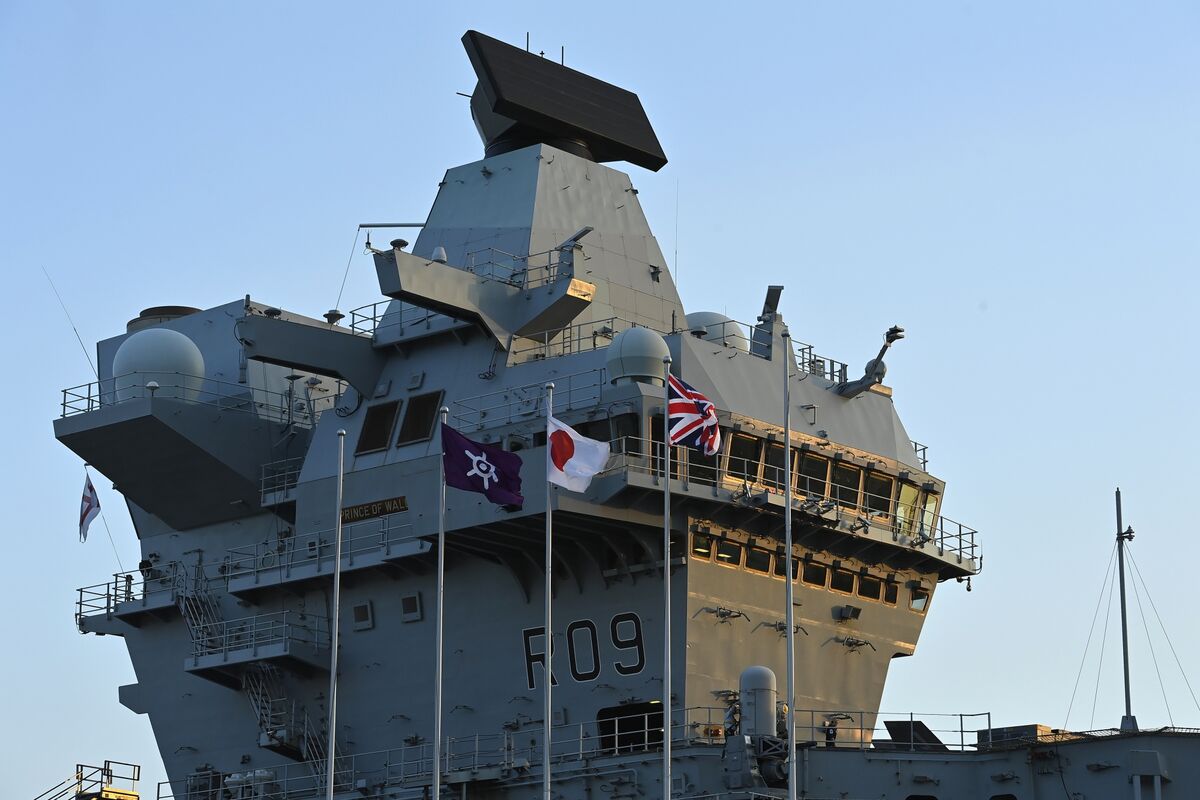
For the first time, the US declined to send uniformed military or government personnel to speak at the UK-organized Pacific Future Forum in Japan, a key security conference where regional allies seek to strengthen coordination. This unprecedented absence could signal a strategic recalibration in US Indo-Pacific engagement, potentially raising questions among partners despite the participation of UK and Japanese defense ministers and other Western military officials.
The United States has, for the first time, declined to send uniformed military or government representatives to the Pacific Future Forum, a key security conference held in Japan aboard the UK aircraft carrier HMS Prince of Wales. This unprecedented absence is notable given the event's high-level attendance, which includes the UK and Japanese defense ministers and senior military officials from other Western nations, all aiming to strengthen regional coordination. While the immediate market impact is assessed as low, the move could be interpreted by allies and market participants as a potential recalibration of US strategic priorities in the Indo-Pacific. This action introduces a degree of uncertainty regarding the consistency of US engagement in the region, a critical factor for geopolitical stability and defense-related investments.
AI-powered research, real-time alerts, and portfolio analytics for institutional investors.
Request DemoOverall Sentiment
neutral
Sentiment Score
0.00
