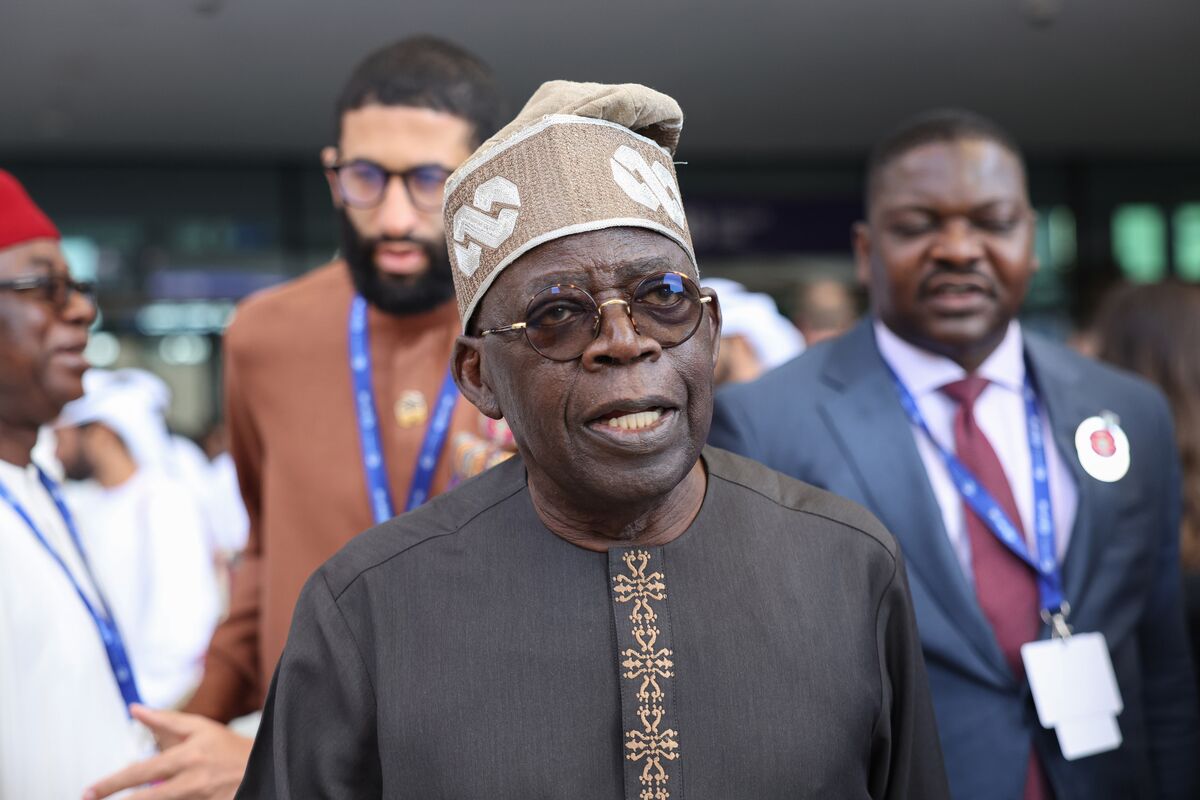
President Bola Tinubu nominated former National Intelligence Agency director Ayodele Oke as Nigeria’s ambassador to the United States, along with retired Colonel Lateef Kayode Are to the UK and Amin Mohammed Dalhatu to France, pending Senate screening. The nominations appear aimed at de‑escalating bilateral tensions after former U.S. President Donald Trump warned of possible military action over allegations of systematic killings by Islamist militants, a development that bears on country risk and diplomatic relations but is unlikely to produce immediate market-moving financial effects.
Market structure: The appointment of a former intelligence chief as US envoy is a de-risking signal but also highlights elevated diplomatic stress that widens Nigeria’s country risk premium. Winners in a risk-off/diplomatic standoff: global oil suppliers/traders and integrated majors with deep logistics (TotalEnergies TTE, Shell SHEL) if Nigerian output falls 0.1–0.4 mbpd, which could add roughly $3–$10/bbl to Brent in 1–3 months; losers: Nigeria sovereign bonds, local banks and NGX-listed names, and naira (NGN) liquidity providers as FX pressure rises 5–15% if capital flight accelerates.
Risk assessment: Tail risks include a low-probability US intervention or broad sanctions that could shutter ports/exports — an outcome that would spike 5y Nigeria CDS by 200–500 bps and knock out 20–40% of exports in weeks. Immediate (days) risks are FX volatility and EM outflows; short-term (weeks–months) risks are widening sovereign spreads and liquidity squeezes; long-term (quarters) risks are fiscal strain, higher borrowing costs, and investment flight that depress growth by 1–3% yoy. Hidden dependencies: remittance flows, FX reserve adequacy (watch import cover), and Senate confirmation cadence; catalysts that reverse stress include quick diplomatic engagement or transparent security plans.
Trade implications: Tactical plays favor short-duration credit hedges and directional energy exposure: buy short-dated Brent optionality and buy protection on Nigeria sovereign risk (5y CDS) sized to your actual NGN/sovereign exposure; trim long-duration Nigeria or frontier-EM sovereign bonds by 50% if 5y CDS widens >100bps or NGN drops >5% in 30 days. Rotate 1–3% tactical overweight into TTE (EPA:TTE) and SHEL (NYSE:SHEL) for 3–6 months, while shrinking frontier EM equity exposure (e.g., -3–4%); reprice positions on confirmation outcomes within 30–90 days.
Contrarian angles: The market may overprice a permanent deterioration — consensus often misses rapid diplomatic fixes: if Senate confirms the envoy within 30 days and no escalation occurs, NGN and sovereign spreads can snap back 10–25% as risk premia compress. Historical parallels (localized security shocks in oil exporters) show sharp short-term dislocations followed by recovery once exports resume, so consider mean-reversion entry on CDS widening >250–300bps or sovereign bond drops >20%. Unintended consequence: a sustained oil rally helps majors but can trigger global risk-off that offsets equity gains — hedge equity beta when playing energy long.
AI-powered research, real-time alerts, and portfolio analytics for institutional investors.
Request DemoOverall Sentiment
neutral
Sentiment Score
0.00
