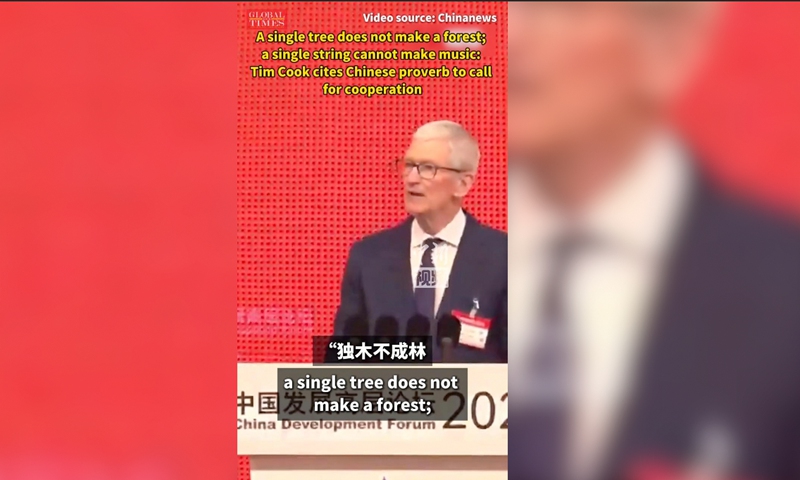
Apple CEO Tim Cook spoke at the 2026 China Development Forum in Beijing and urged greater cooperation between companies and countries, citing a Chinese proverb to emphasize collective effort. The remarks are constructive for US-China business relations but are rhetorical in nature and unlikely to move Apple’s financials or broader markets materially.
Apple leaning publicly into a “cooperation” narrative with China is a strategic play that shifts the battleground from headline geopolitics to commercial levers: procurement, supplier allocation, and regulatory nudges. The near-term beneficiary set is not just Apple (AAPL) but the Chinese assemblers and mid-tier component makers that win larger order share and faster inventory turns; conversely, non-China-based contract manufacturers and premium camera-lens suppliers face second-order margin pressure as volumes tilt toward locally advantaged partners.
Mechanically, meaningful supply-chain reallocation is a months-to-years process: expect visible P&L inflections in suppliers within 2–6 quarters as purchase orders, testing slots, and tooling commitments reprice. Near-term catalysts that would amplify the move are: formal supplier agreements or capacity bookings, preferential tariff/regulatory forbearance announcements from Beijing, or public statements from key suppliers confirming order flow—any of which could move related equities within days; systemic reversal requires either US export-control escalation or a bilateral diplomatic shock.
The consensus treats this as PR; the underappreciated angle is that Apple can extract lasting supplier concessions (lower ASPs, faster NPI timelines) in exchange for market access promises, compressing margins for smaller rivals while improving unit economics for Apple in 12–36 months. Tactical positioning should therefore target convex optionality into concrete supply-booking evidence and be wary of event risk around export controls and China macro policy shifts.
AI-powered research, real-time alerts, and portfolio analytics for institutional investors.
Overall Sentiment
mildly positive
Sentiment Score
0.15
Ticker Sentiment
