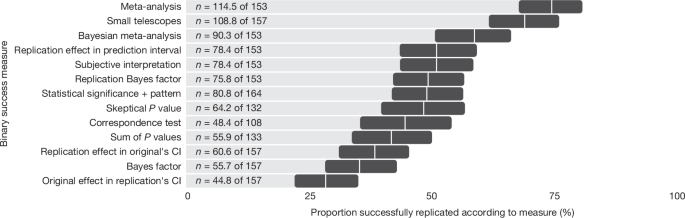
55.1% of 274 claims (151 claims) showed statistically significant results in the original pattern, and 49.3% of 164 papers were replicated when weighted for multiple claims. Median Pearson’s r fell from 0.25 in original studies to 0.10 in replications (an 82.4% reduction in shared variance); replications were high-powered (median power 99.6%) and used original materials when available. Data, materials and code are publicly available in an OSF repository, and the findings underscore broad replicability challenges across the social and behavioural sciences, suggesting caution in treating isolated positive results as robust.
This project creates a durable procurement pathway for institutional research infrastructure — universities, funders and government labs will prefer auditable, cloud-native pipelines to meet scrutiny and compliance. That flow favors platform incumbents that can bundle storage, compute and provenance (Git hosts, major cloud providers, and enterprise data fabrics) and creates recurring SaaS demand rather than one‑off consulting engagements. Expect adoption to scale unevenly: well‑resourced labs and defense/health funders will accelerate first, then trickle into broader higher‑education budgets over 12–36 months as mandates and grant conditions harden.
Second‑order winners include vendors that automate reporting and metadata capture (not just raw storage) because low-friction compliance reduces behavioral friction for researchers; conversely, boutique consulting and paywalled novelty channels that monetize opaque metrics face margin pressure. AI toolchains that can ingest legacy materials and produce reproducible analysis (LLM-assisted code translation, test harness generators) become strategic add‑ons; firms that only provide storage without analytic tooling risk being relegated to low-margin commodity providers. Procurement cycles will bring lumpy revenue and multi‑year contracts, concentrating buyer power and increasing customer lifetime value for platform players.
Key risks and catalysts: fast moves from major funders or a high‑profile replication failure in adjacent domains could compress adoption timelines to months, while pushback from researchers over IP/privacy or cost will slow rollout to years. A low‑cost statistical/educational counter‑program (widespread adoption of better pre‑analysis plans and training) could materially blunt vendor TAM expansion, making current demand assumptions binary. Monitor policy moves, large grants, and vendor partnership announcements as near‑term triggers for repricing across the supply chain.
AI-powered research, real-time alerts, and portfolio analytics for institutional investors.
Request DemoOverall Sentiment
neutral
Sentiment Score
0.00
