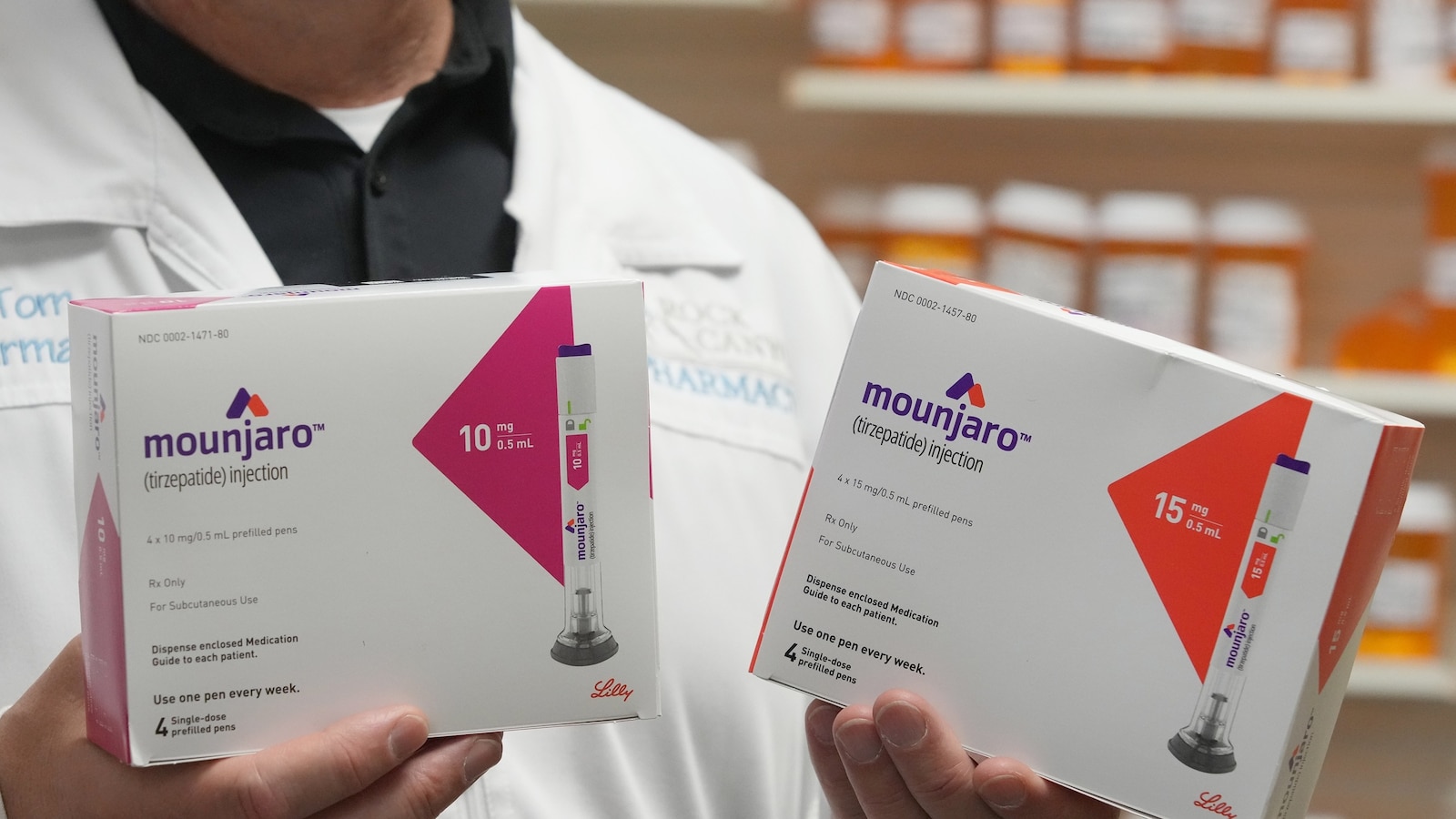
The World Health Organization issued its first-ever guidance endorsing long-term, continuous use of GLP-1 weight-loss medications — including semaglutide (Wegovy), liraglutide (Saxenda) and tirzepatide (Zepbound) — for adults with obesity and framed obesity as a chronic disease requiring lifelong care combined with structured lifestyle programs. The guidance highlights a large addressable population (more than 1 billion people currently with obesity, projected to reach 2 billion by 2030) and urges countries to create equitable, affordable pathways while flagging major constraints — high cost, limited supply and uneven access — that could limit near-term uptake and shape future policy and commercial outcomes for drugmakers and health systems.
Market structure: WHO guidance accelerates the narrative that GLP‑1s are chronic therapies, benefiting large-cap innovators (Novo Nordisk - NVO, Eli Lilly - LLY) and upstream capacity providers (Catalent CTLT, Lonza LZAGY, Thermo Fisher TMO). Pricing power is likely to remain high near‑term because manufacturing capacity and cold‑chain limits will constrain supply vs. a demand pool that could approach billions by 2030; this supports premium multiples for market leaders over the next 12–36 months.
Risk assessment: Key tail risks are payer pushback/price controls or adverse safety signals; probability medium (30–40%) over 12–24 months given PCSK9 precedent, and they would materially compress revenues. Short term (days–months) expect headline‑driven volatility around coverage/manufacturing news; long term (3–5 years) upside remains if chronic use is reimbursed and capacity scales. Hidden dependencies include PBM formulary decisions, peptide raw‑material bottlenecks and cold‑chain logistics.
Trade implications: Favor concentrated, time‑defined exposure to LLY and NVO and selective CDMOs while shorting consumer/clinic incumbents that assume rapid substitution (WW). Use 6–18 month option structures to express direction: buy LEAPS or call spreads to capture multiyear secular adoption while limiting capital at risk; scale into positions on 5–12% pullbacks and re‑evaluate at coverage or capacity milestones.
Contrarian angles: Consensus underestimates multi‑year payer resistance — a parity with PCSK9 adoption would mean a multi‑year revenue ramp rather than immediate monopoly cash flows, which keeps risk‑adjusted upside lower than headline narratives suggest. Also watch the unintended consequence of shortages spawning compounding/unregulated channels that invite regulatory clampdowns and reputational risk for incumbents.
AI-powered research, real-time alerts, and portfolio analytics for institutional investors.
Request DemoOverall Sentiment
mildly positive
Sentiment Score
0.25
