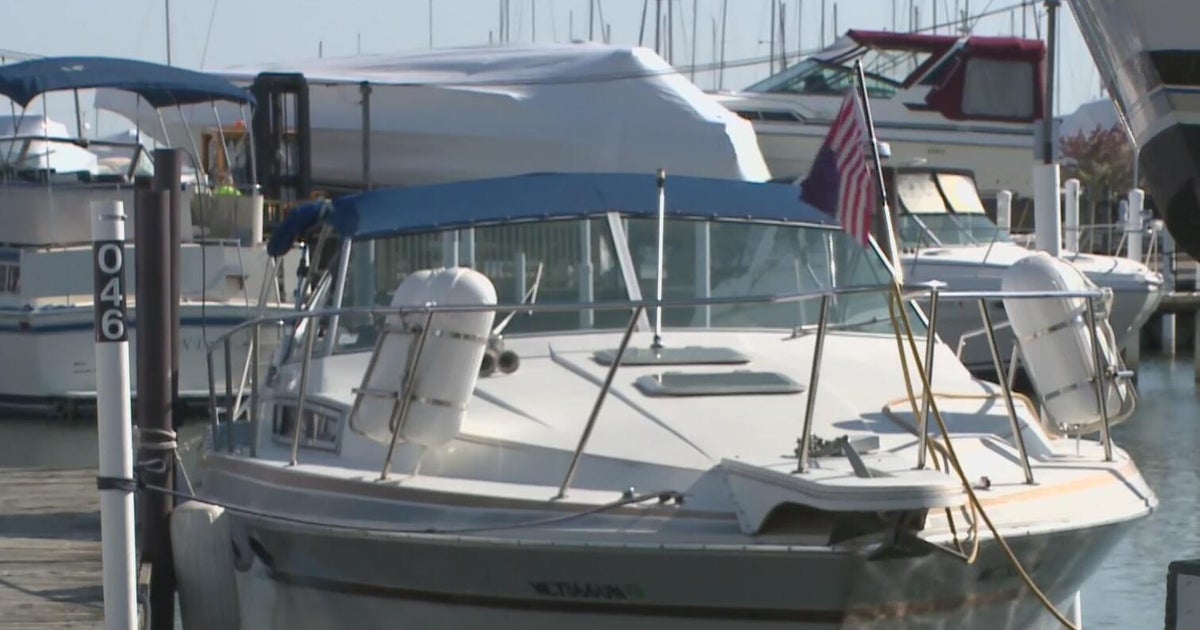
Michigan regular gasoline prices jumped to $4.87 per gallon, up 85 cents in one week and about $1.65 year over year, pressuring both commuters and boaters. Marine fuel at one St. Clair Shores dock reached $5.94 per gallon, with some boaters facing as much as $2,000 to fuel a season. The article points to higher demand, tighter gasoline supplies, and lower crude inventories as the drivers, with a likely drag on discretionary boating spending but limited broader market impact.
The immediate winner is upstream energy and refinery complexity, not the consumer-facing leisure economy. When retail fuel rises this quickly, discretionary mileage is the first thing to be rationed, but marine demand is unusually inelastic near the start of summer because berth fees, storage, and sunk ownership costs keep boats active even as trip frequency falls. That means the margin squeeze shows up more as reduced usage per outing than as a collapse in overall participation, which is why dock volumes may hold up better than sentiment suggests. Second-order effects favor operators with fuel pass-through and hurt those exposed to fixed-location leisure spending. Marinas, docks, and lake-adjacent hospitality can still see traffic, but ancillary categories like maintenance, upgrades, and on-water food/beverage tend to be the first budget lines deferred when owners try to preserve weekend usage. If gas stays elevated for 4-8 weeks, the more durable impact is not demand destruction but a trade-down from large powerboats toward smaller, more efficient craft and shorter-duration outings. The key risk catalyst is not the current price level but the duration of the shock. If crude and wholesale gasoline stabilize quickly, consumer behavior largely normalizes because boating is seasonal and socially reinforced; if prices remain elevated into mid-summer, marinas could see a sharper decline in fuel throughput and ancillary sales than headline traffic implies. Conversely, a modest pullback in pump prices would have an outsized psychological effect because households anchor on the first month of the season and are more willing to re-open discretionary budgets than the data initially suggests. The market may be overestimating the negative read-through for all travel and leisure names. This is a classic transfer from low-margin discretionary usage to high-margin fuel expenditure, which can actually support gross revenue for dock operators even if unit consumption slips. The better short is not broad consumer leisure, but firms whose demand is tied to high-frequency discretionary driving and recreation budgets that are easy to postpone for 30-60 days.
AI-powered research, real-time alerts, and portfolio analytics for institutional investors.
Request DemoOverall Sentiment
mildly negative
Sentiment Score
-0.25
