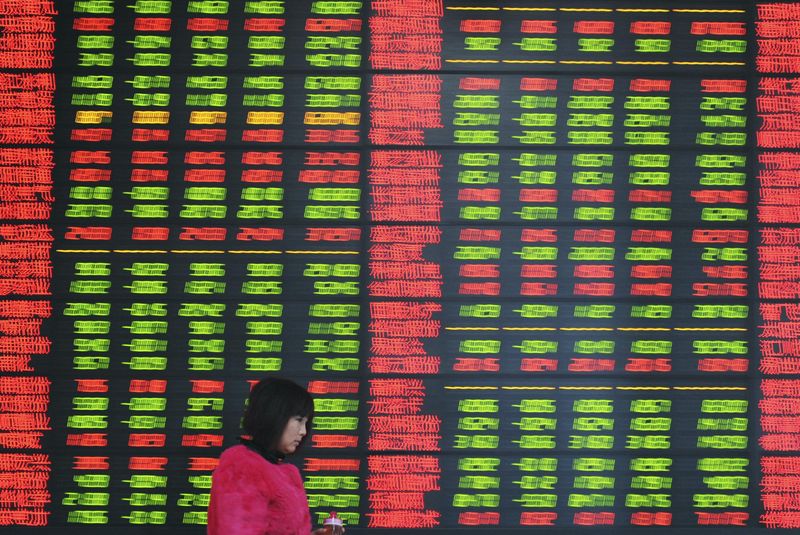
Asian stocks saw mixed performance Tuesday, with tech shares boosted by U.S. cues and AI demand, as evidenced by TSMC's 1% rise despite tariff concerns and BYD Co's nearly 2% jump after positive May sales. Chinese markets were rangebound amid escalating U.S.-China trade tensions, highlighted by Trump's tariff accusations and a disappointing Caixin manufacturing PMI showing shrinking overseas orders; broader Asian markets remained cautious due to trade and global economic concerns, while Australia's ASX 200 edged up despite weak economic data.
Asian markets presented a mixed performance, with technology shares notably gaining from positive overnight cues from Wall Street and sustained investor appetite for artificial intelligence. Taiwan Semiconductor Manufacturing Company (TSMC) shares, for instance, rose 1% as CEO C.C. Wei suggested strong AI demand could counterbalance potential impacts from increased trade tariffs, reflecting positive sentiment (TSM sentiment: 0.6). Hong Kong's Hang Seng index surged 1.2%, driven by tech sector strength and a rebound in Chinese electric vehicle equities. BYD Co. shares increased nearly 2%, snapping a six-day losing streak, supported by optimistic May sales figures, especially in overseas markets, which helped to mitigate concerns over recent price reductions and margin pressures. Li Auto Inc. experienced a significant share price increase of almost 5% (LI sentiment: 0.7) following a price target upgrade by Goldman Sachs. Despite these pockets of strength, broader market sentiment remained guarded, as indicated by a 0.3% decline in S&P 500 Futures during Asian trading hours. Chinese mainland markets, reopening after a long weekend, traded in a narrow range, reflecting escalating U.S.-China trade tensions stemming from U.S. President Trump's accusations of trade deal violations and subsequent stalled negotiations. This geopolitical strain was further evidenced by the unexpected contraction in the Caixin manufacturing PMI for May, attributed to a fall in overseas orders due to U.S. tariffs, a trend consistent with government PMI data. Australia’s ASX 200 saw a modest rise of 0.3%, buoyed by the Reserve Bank of Australia's reaffirmed dovish monetary policy outlook, even amidst weak domestic economic signals like a 0.5% decrease in Q1 company gross operating profits and a larger-than-anticipated current account deficit. The overall market sentiment was mildly positive (score 0.18) but with a distinctly cautious tone, underscoring the significant market impact (score 0.55) of prevailing geopolitical uncertainties and economic headwinds.
AI-powered research, real-time alerts, and portfolio analytics for institutional investors.
Request DemoOverall Sentiment
mildly positive
Sentiment Score
0.18
Ticker Sentiment
