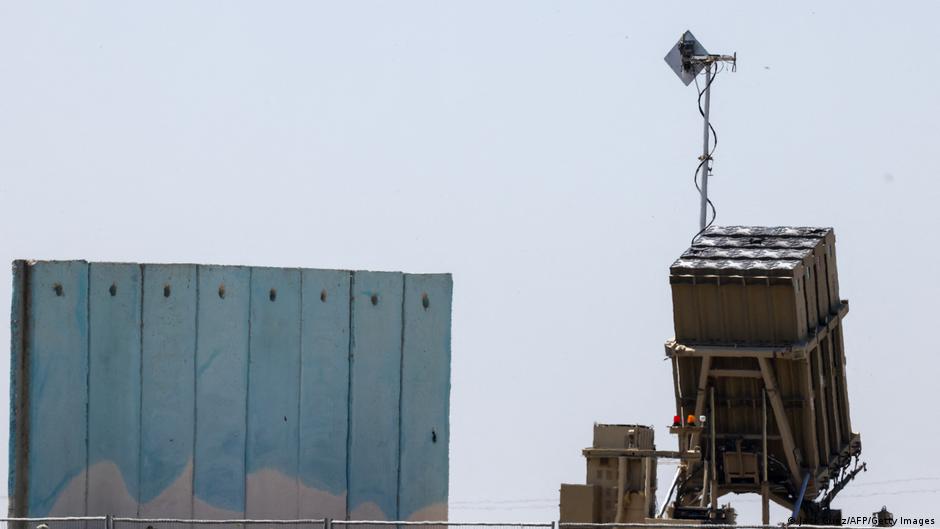
Iranian missile strikes, including growing use of cluster munitions, are exerting daily pressure on Israel's multilayer air-defence (Iron Dome, David's Sling, Arrow) and have allowed some rockets to penetrate the system, which is already strained by years of conflict. This sustained threat raises downside risk to regional stability, supports potential incremental Israeli defense spending and could keep upward pressure on defense-sector equities and regional risk premia.
The incremental use of saturation weapons changes the revenue mix for defense contractors from single-unit sales to recurring consumables and rapid-replenishment logistics. Interceptor intercept economics and seeker attrition create predictable, high-margin demand for missile motors, proximity fuzes, RF seekers and sustainment spares over a 3–24 month window; companies that can convert production capacity quickly will see outsized aftermarket sales vs. those with long lead times.
Second-order winners include niche subsystem suppliers (RF subsystems, EO/IR seekers, solid rocket motor shops) and contractors with idle inventory eligible for Foreign Military Sales — not just prime integrators. Conversely, integrators with capital-heavy production lines and limited spare inventories risk margin compression from expedited production and warranty/service costs, and may need to fund accelerated CAPEX.
Tail risks are asymmetric: a short sharp escalation involving US forces or a Saudi/Iran opening could force emergency replenishment orders within 30–90 days, spiking revenue for suppliers but also driving raw-material and semiconductor bottlenecks that push lead times into quarters. The reverse catalyst is a mediated de-escalation or rapid adoption of cheaper passive mitigations (hardening, dispersal) which would reduce interceptor demand over 12+ months and re-rate current defensives downward.
Consensus underprices supply-chain divergence — the market will pay a premium for companies that can supply spares within 30–90 days and sustain fielded systems, not necessarily the largest primes. That implies a tactical overweight to select small/mid-cap subsystem names and a cautious stance on large integrators until clarity on replenishment pacing and II-VI component availability emerges.
AI-powered research, real-time alerts, and portfolio analytics for institutional investors.
Request DemoOverall Sentiment
moderately negative
Sentiment Score
-0.45
