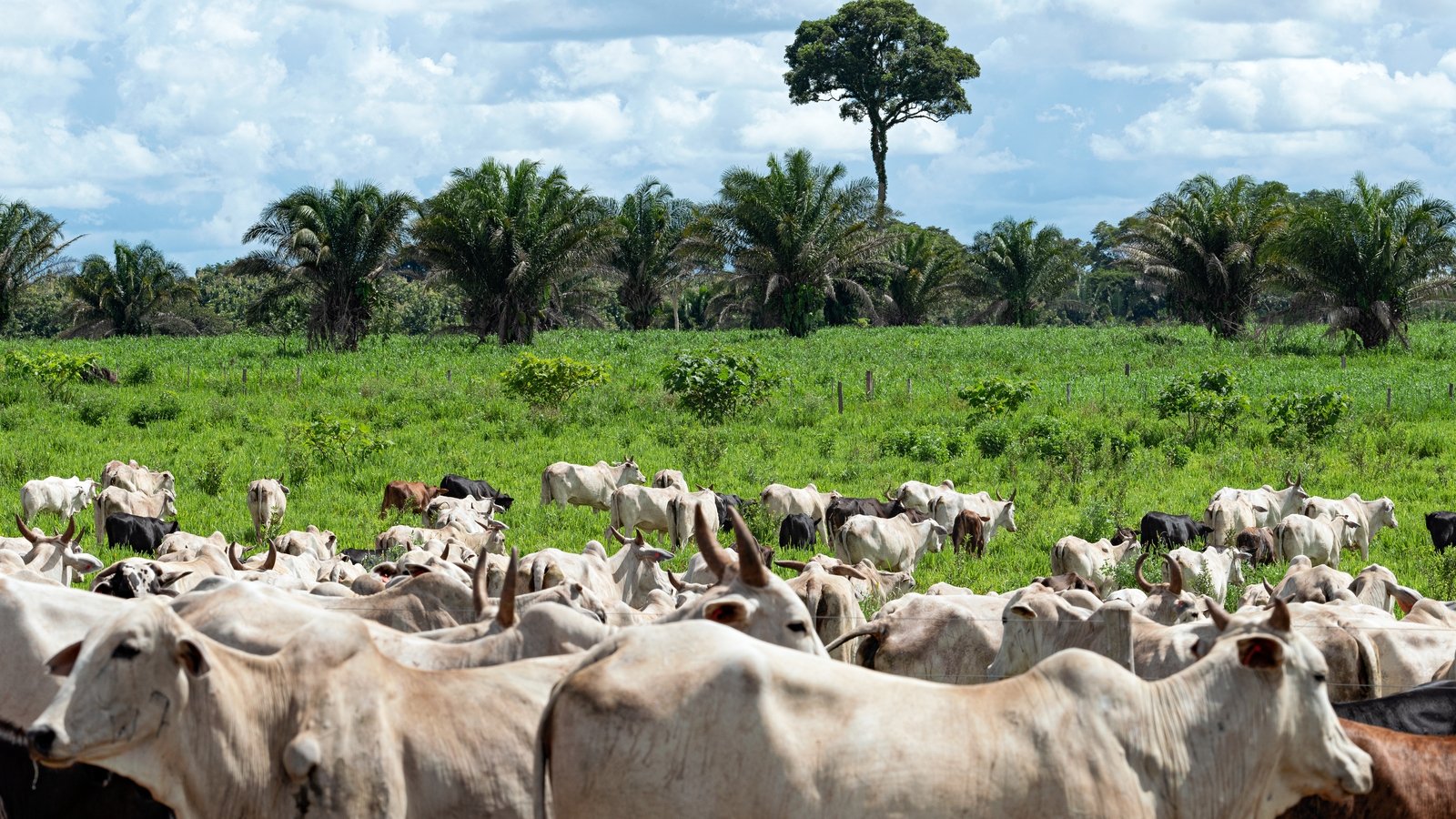
From 3 September 2026, Brazil will be banned from exporting beef and other animal products to the EU unless it complies with EU rules on antibiotic use throughout animals' lifetimes. The restriction is material for Brazilian livestock exporters and underscores a tougher EU stance on antimicrobial resistance, with the Commission saying imports must meet its human-health and animal-health standards. The move is also relevant to the EU-Mercosur trade framework and could disrupt trade flows if Brazil cannot demonstrate compliance.
This is less about the immediate tonnage of Brazilian beef than about a new compliance gate in a market that had been pricing regulatory ambiguity as a feature, not a bug. The first-order loser is Brazilian export capacity into Europe, but the bigger second-order effect is on global protein trade flows: if EU buyers need to re-source quickly, near-term pull on alternative suppliers tightens pricing power for EU-accessible exporters and narrows spreads for compliant origins. The market should also expect knock-on tightening in veterinary traceability and residue-testing costs across LATAM exporters, which raises the hurdle rate for smaller processors and could accelerate consolidation.
The key timing point is that this is a policy shock with a long operational lag. A formal ban can hit headlines in days, but replacing farm-level lifetime antibiotic controls is a multi-quarter to multi-year infrastructure build, so the real constraint is not diplomacy but data systems, inspection credibility, and auditability. That makes a quick reversal unlikely absent a political carveout; the more probable path is phased exemptions, temporary waivers, or partial product-specific approvals rather than a clean reinstatement.
From a portfolio perspective, the cleaner expression is relative value in compliant protein and input chains rather than an outright commodity short. EU poultry, dairy, and traceable beef names should gain share if retailers and food service buyers preemptively de-risk supplier provenance, while Brazilian agribusiness and processors face margin compression from lost destination optionality. There is also a subtle public-health halo for EU animal-health and diagnostics vendors: the policy increases spending on testing, documentation, and antimicrobial stewardship enforcement, which can lift recurring revenue across the compliance stack.
The contrarian takeaway is that the market may overestimate the immediate revenue hit to Brazil and underestimate the elasticity of global meat trade. Brazil can redirect some volumes to less demanding markets, so the medium-term damage is more about basis compression and lower bargaining power than a collapse in aggregate exports. The real bear case for Brazilian exporters emerges only if the EU decision becomes a template for other high-income importers; if that replication risk grows, this becomes a structural repricing event rather than a one-off trade friction.
AI-powered research, real-time alerts, and portfolio analytics for institutional investors.
Request DemoOverall Sentiment
moderately negative
Sentiment Score
-0.35
