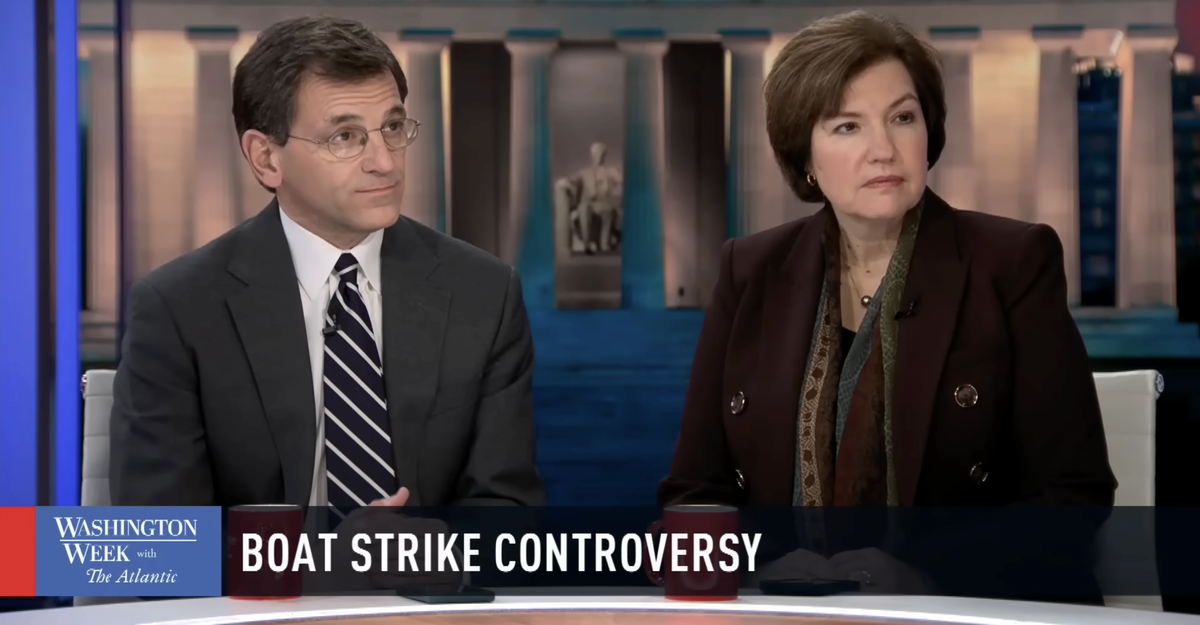
The acting Department of Defense inspector general released a report finding Secretary Pete Hegseth may have put U.S. troops and national security at risk by discussing strikes in Yemen via a Signal chat. The secretary and spokesman Sean Parnell sharply disputed the report, calling it a total exoneration, while journalists on Washington Week raised questions about oversight and accountability. The episode elevates governance and operational-risk questions at the Pentagon and could prompt increased scrutiny of senior leadership, communications protocols, and congressional oversight, though it is unlikely to move markets materially.
Market structure: the report increases governance and operational uncertainty around the DoD but is unlikely to change baseline budget trajectories in the near term. Winners are cybersecurity & compliance vendors (private comms scrutiny + defense IT audits) and boutique government-oversight/legal advisory firms; marginal losers are program-level contractors exposed to fast-moving operational directives that could be paused or re-scoped. Pricing power shifts toward firms selling audit, secure-comm and compliance services; large platform primes may see 1–3% volatility as procurement timing risk reprices orders over weeks.
Risk assessment: tail risks include (A) an escalation in Yemen or wider MENA hostilities that materially lifts oil >10% in 7–30 days and boosts defense spending, and (B) a protracted IG/congressional probe that delays major contract awards for 1–3 quarters. Immediate horizon (days) is headline-driven volatility; short-term (weeks–months) is policy/contract timing risk; long-term (quarters) could mean marginally higher cyber & compliance budgets. Hidden dependency: procurement cadence is tied to political calendar—congressional control and appropriations (next 3–9 months) are a key second-order driver.
Trade implications: favor small overweight to cybersecurity (3–4% portfolio tilt) using liquid leaders (PANW, FTNT) with 3–9 month holding periods; hedge defense-prime exposure (ITA/RTX/LMT) with short-dated puts or pair shorts to protect against 5–12% downside if procurement stalls. Use 30–90 day event-volatility trades around any IG full-report release or scheduled hearings (buy protection on ITA/XAR or straddles sized to 0.5–1% risk). Cross-asset: keep 1–2% optionality in oil call spreads (USO/XLE) as cheap tail hedges if conflict escalates and oil jumps >10%.
Contrarian angles: consensus will over-index to headline governance risk and underweight the likely increase in compliance/cyber budgets—this misprices defenders of secure communications as growth beneficiaries. The market may also over-penalize large primes for short-term political noise, creating 6–12 month idiosyncratic long opportunities when headlines fade; historically (2015–2018 probed leadership episodes) primes recovered within 3–6 months as budgets remained intact. Watch for confirmation: a formal DoD procurement pause or a House hearing with subpoena power within 30–90 days would validate downside trades.
AI-powered research, real-time alerts, and portfolio analytics for institutional investors.
Request DemoOverall Sentiment
mildly negative
Sentiment Score
-0.25
Ticker Sentiment
