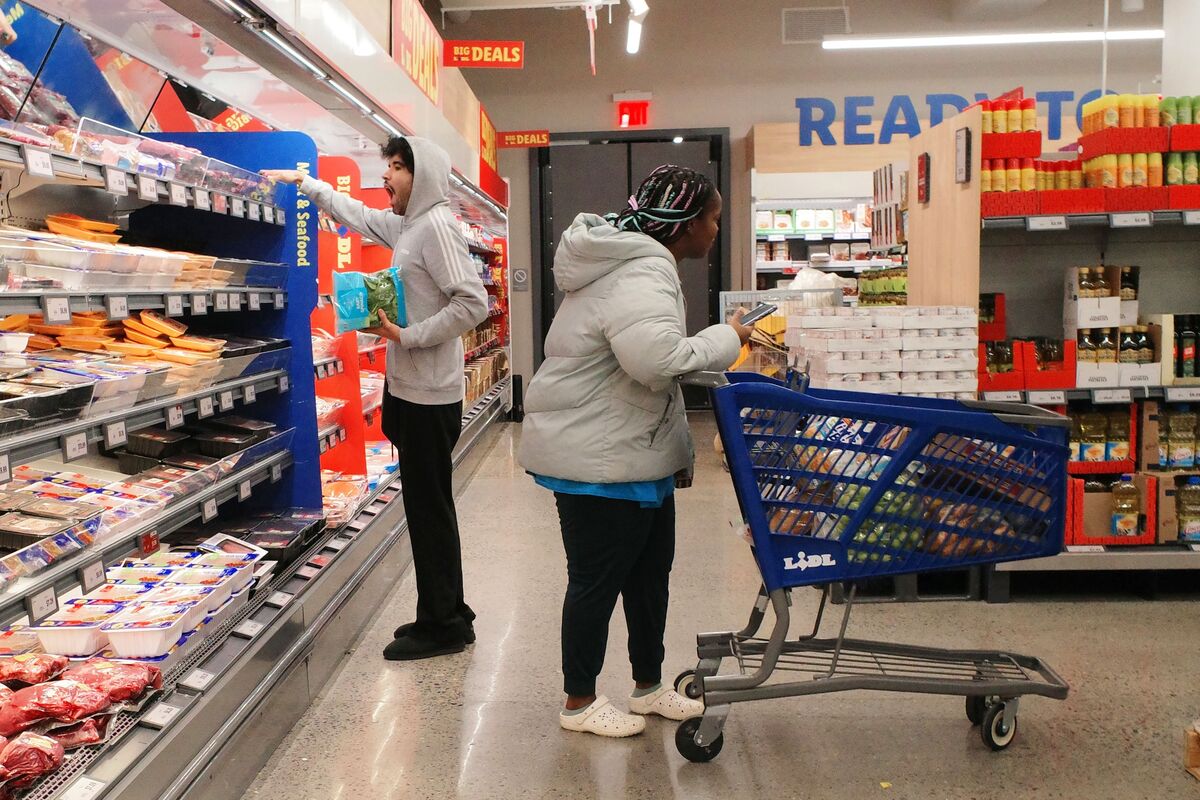
US consumer beef prices hit new all-time highs in April, with ground beef topping $7 per pound for the first time and steak rising above $13 per pound, according to BLS data. The surge adds pressure to the Trump administration’s inflation-fighting efforts and points to persistent food-cost inflation. The print is sector-relevant and may reinforce concern around broader inflation stickiness.
Rising beef inflation is less a standalone food story than a read-through on household real income and the durability of the disinflation trade. If protein prices stay elevated into summer, lower- and middle-income consumers will likely substitute toward chicken, pork, private-label frozen meals, and more restaurant-at-home mix, which creates a relative winner set in value-oriented food retail and poultry supply while pressuring premium grocers and casual dining traffic. The second-order effect is margin compression for operators with limited pass-through power, especially where labor and packaging costs are already sticky.
The bigger macro implication is that food inflation can keep headline and expectations measures elevated even if energy and shelter cool, which raises the probability of a more hawkish policy stance for longer than consensus expects. That matters because food is high-frequency and psychologically salient; if consumers perceive prices as still rising at the dinner table, the Fed’s ability to argue inflation is “contained” weakens, even if core ex-food categories are softer. In that scenario, rate-sensitive equities remain vulnerable over a 1-3 month horizon while defensives with pricing power gain relative support.
What could reverse the move is not demand destruction alone, but a supply reset: herd liquidation, feed cost normalization, improved pasture conditions, or a wave of import arbitrage if domestic spreads remain wide. Those are slower-moving variables, meaning the inflation impulse can persist for quarters rather than weeks. Near term, the market may be underpricing how long elevated grocery prices can sustain negative sentiment in consumer surveys and keep policymakers on the defensive.
The contrarian view is that this is a lagging price signal, not a fresh inflation catalyst, and the more tradable move may already be in the rear-view mirror for meat producers. If consumer demand finally breaks, retailers and foodservice can see traffic weakness before input prices roll over, creating a window where the inflation story stays hot while earnings estimates begin to fall. That favors relative-value expressions over outright commodity longs.
AI-powered research, real-time alerts, and portfolio analytics for institutional investors.
Request DemoOverall Sentiment
moderately negative
Sentiment Score
-0.35
