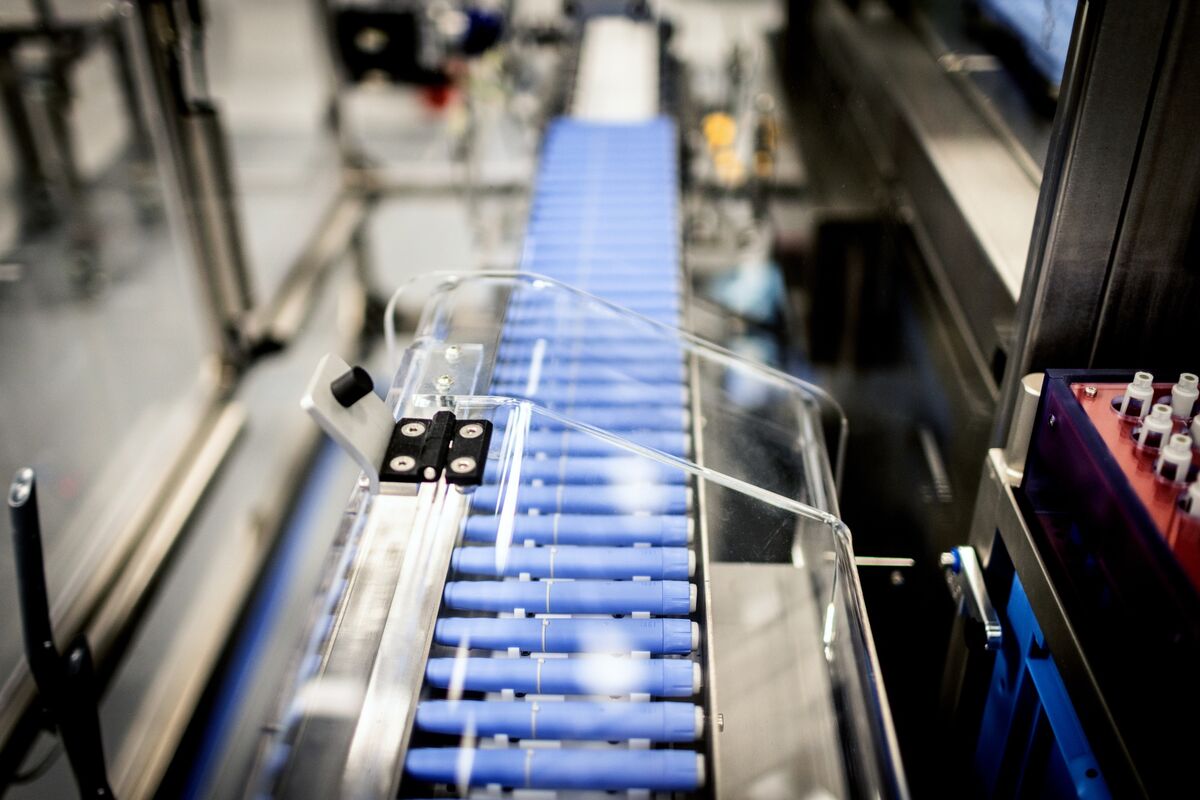
Swiss medical-device maker Ypsomed Holding AG plans to shift some production to Germany and increase US output in response to a threatened 39% US tariff on imports from Switzerland. This strategic move makes Ypsomed one of the first publicly traded companies to disclose concrete measures to mitigate the impact of US President Donald Trump's recent tariffs targeting Swiss goods, signaling potential broader industry adjustments.
Ypsomed Holding AG (YPSN), a Swiss medical-device firm valued at 5.3 billion francs, is undertaking a significant strategic pivot by shifting some production to Germany and ramping up US-based output. This defensive maneuver is a direct response to the threat of a substantial 39% US tariff on goods imported from Switzerland. As one of the first publicly traded companies to announce concrete countermeasures, Ypsomed's actions signal a proactive attempt to de-risk its supply chain and protect its access to the critical US market. While this strategy may involve near-term capital expenditure and operational complexities, it is designed to mitigate the severe margin compression that such a tariff would impose. The market's slightly positive sentiment reaction towards YPSN suggests that investors may view this decisive risk management favorably, despite the negative geopolitical catalyst driving the decision.
AI-powered research, real-time alerts, and portfolio analytics for institutional investors.
Request DemoOverall Sentiment
mixed
Sentiment Score
0.00
Ticker Sentiment
