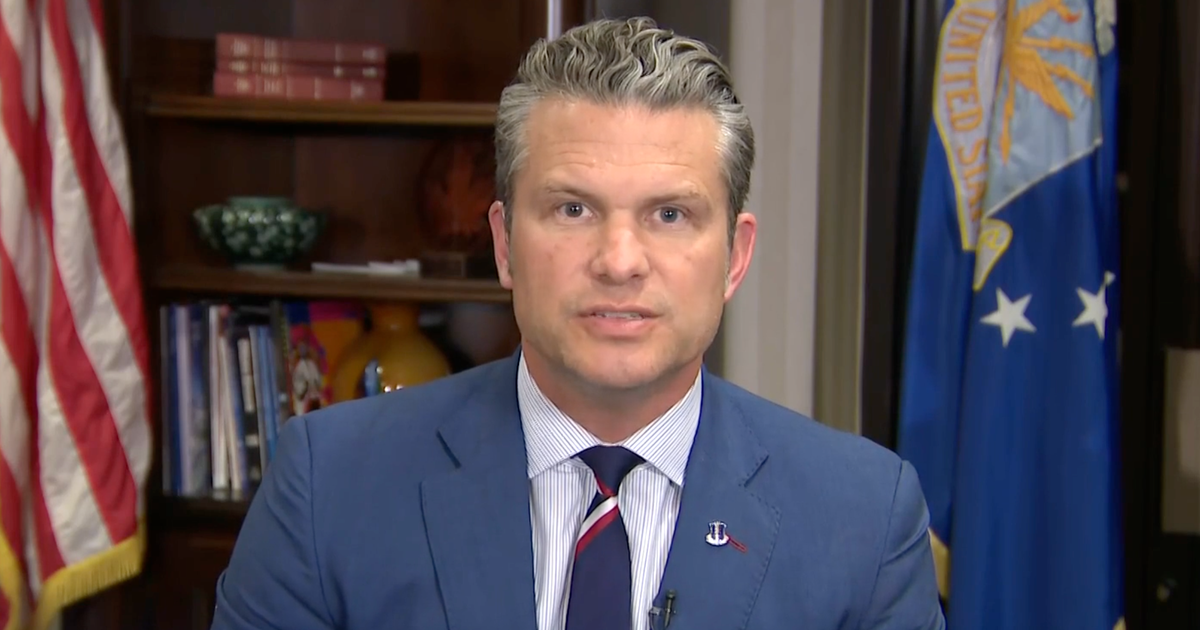
U.S. forces conducted an overnight operation in Venezuela that resulted in the capture of President Nicolás Maduro, who was transported to New York to face drug‑trafficking charges. Defense Secretary Pete Hegseth framed the action as a strategic, well‑orchestrated move by the Trump administration that could allow the U.S. to temporarily 'run the country' and 'get the oil flowing,' creating elevated geopolitical risk in the Western Hemisphere with potential implications for oil markets, regional stability and U.S. foreign policy signaling.
Market structure: A US-led regime change in Venezuela reorders winners/losers across energy, defense, and EM carry trades. If Washington enables even 0.3–1.0 mbd incremental Venezuelan oil over 6–24 months, global crude spare capacity increases, capping Brent upside and shifting cash margins to refiners and fuel-intensive sectors (airlines, trucking) while pressuring integrated upstream margins. Defense contractors and private military logistics firms gain near-term pricing power from contingency ops and reconstruction contracts, supporting higher contract wins and FCF visibility over 12–36 months.
Risk assessment: Tail risks include asymmetric retaliation (sabotage of Gulf/Caribbean energy infrastructure), formal sanctions from Russia/China, and legal/legitimacy challenges that could freeze Venezuelan assets; allow for a >=10% shock to oil prices or EM FX within 0–90 days. Short-term (days–weeks) expect volatility spikes in Brent, CDS on LATAM sovereigns, and USD strength; medium-term (3–12 months) is governed by capex timelines to restart fields and rehire skilled personnel; long-term (1–3 years) depends on investment access and security for production restoration.
Trade implications: Tactical winners: US airlines (AAL, DAL) and refiners (VLO) vs upstream oil majors (XOM, CVX) if crude supply increases; defense primes (LMT, RTX, LHX) benefit from higher procurement and logistics contracts. Cross-asset: buy-tenor protection in EM FX (BRL, COP) and add long-Treasury/gold hedges if geopolitical escalation occurs. Volatility trades: 1–3 month straddles on Brent and LATAM CDS, and 3–9 month call spreads on airlines to capture margin recovery.
Contrarian angles: Market may over-earn on immediate Venezuelan output — restoring 0.5–1.0 mbd realistically takes >12 months and billions in capex; oil downside could be limited, making short upstream positions risky. Defense upside is front-loaded — a single operation is not a secular procurement driver. Mispricing window: buy selective upstream names on >10% drawdowns and sell short-term overreactions in oil with tight stop-losses.
AI-powered research, real-time alerts, and portfolio analytics for institutional investors.
Request DemoOverall Sentiment
moderately negative
Sentiment Score
-0.30
