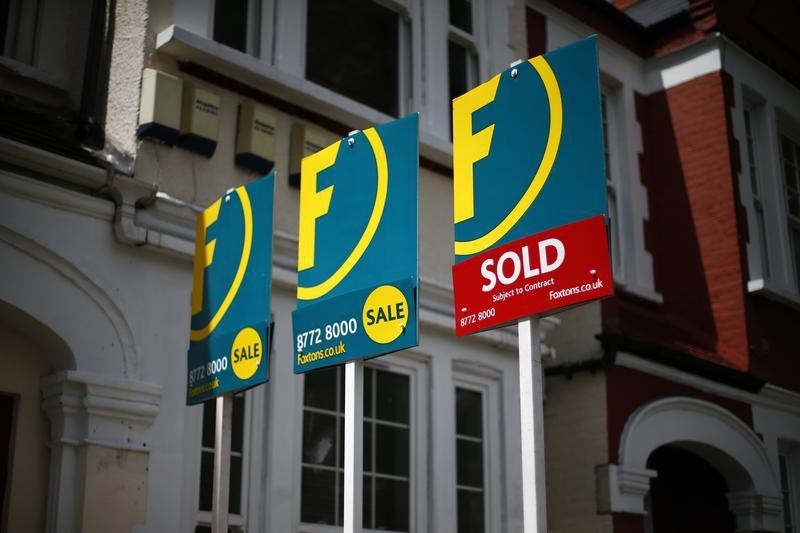
UK housing market conditions weakened in April, with the RICS headline house price net balance falling to 34% from 25% and new buyer enquiries easing to 34% from 40%, indicating continued demand softness. Near-term price expectations stayed negative at -38%, while 12-month price expectations dropped to 5%, the weakest since late 2023, and the new appraisals measure fell sharply to 16% from 0, suggesting a slower pipeline of listings. Rental supply also remained under pressure, with landlord instructions still negative at -17% amid concerns that the Renters’ Rights Act is pushing some landlords to exit the sector.
The incremental signal is not just weaker housing; it is weaker transaction velocity. When buyers wait and agreed sales soften before prices fully reprice, the first-order hit lands on brokers, lenders, home-improvement retailers, and transaction-linked services before it shows up in headline house prices. That makes the setup more bearish for fee pools and mortgage origination volumes over the next 1-3 quarters than for outright price-sensitive land banks, where the market usually lags until financing stress becomes visible. The more interesting second-order effect is the supply response. A slowdown in appraisals versus a still-negative demand backdrop points to a future squeeze on listings, which can eventually cushion prices even as volumes stay weak. That creates a split market: transactional names and consumer-spending proxies deteriorate, while rental-facing assets can hold up because constrained landlord supply supports rents even when ownership demand softens. The regional divergence matters for capital allocation: London and the South are the marginal price-setters, so negative expectations there are a cleaner leading indicator than broad national averages. If borrowing costs stay elevated, the downside risk is less a 2008-style price air pocket and more a prolonged low-volume stagnation that compresses commissions and delays recovery in cyclical housing beta. The contrarian read is that current pessimism may already be close to peak for prices, but not for activity, meaning the best shorts are volume-sensitive intermediaries rather than pure house-price exposure. For the tickers in the data, APP remains the higher-beta beneficiary if AI-driven ad spend is healthy, but housing weakness is a modest consumer-demand caution rather than a direct thesis breaker; SMCI is even less exposed and would only matter if the market rotates into defensives. The cleaner trade is to express the macro view through UK/European housing proxies and banks rather than trying to force it into these AI names.
AI-powered research, real-time alerts, and portfolio analytics for institutional investors.
Request DemoOverall Sentiment
moderately negative
Sentiment Score
-0.35
Ticker Sentiment
