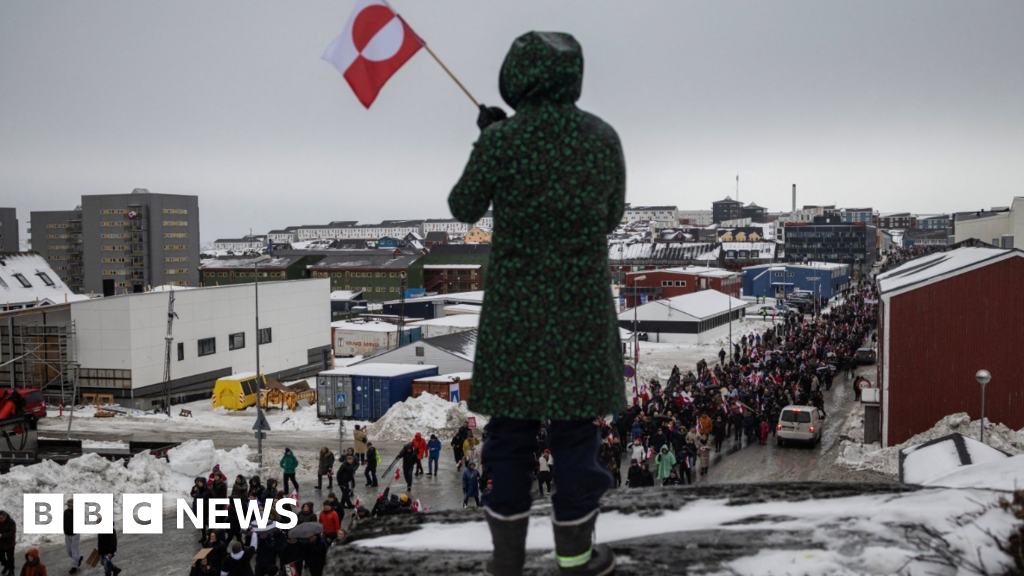
The US announced a 10% tariff effective 1 February on goods from Denmark, Norway, Sweden, France, Germany, the UK, the Netherlands and Finland — rising to 25% in June and remaining until a deal is reached for the “complete and total purchase of Greenland.” President Trump framed Greenland as critical to US security and has not ruled out force, triggering condemnation from European leaders, NATO-aligned troop deployments to Greenland and large protests; opinion polls show ~85% of Greenlanders oppose joining the US. The escalation raises diplomatic and trade risks between the US and key European trading partners, creating a near-term political risk premium for transatlantic trade and defense-sensitive sectors.
Market structure: Immediate winners are defense contractors (eg. LMT, NOC, RTX, GD) and Arctic-capable surveillance contractors as NATO/EU respond with increased presence; exporters to the US in targeted countries (German autos, Nordic seafood, EU luxury goods) face margin pressure from a 10% tariff on Feb 1 and potential 25% on June 1. Pricing power will shift toward domestic US producers and non-targeted suppliers; expect 1–3% negative EPS pressure on exposed EUR-listed exporters if tariffs rise to 25% by mid-year.
Risk assessment: Tail risks include kinetic confrontation in the Arctic, full-blown US-EU trade war, or EU counter-tariffs — low probability (<10%) but >$50bn of bilateral trade disruption and a global risk-off wave. Time horizons: high volatility over days–weeks around Feb 1 and June 1, medium-term policy normalization over quarters, structural NATO/defense spending increases over years. Hidden dependencies: rare-earth/minerals investment flows to Greenland could reconfigure critical-minerals supply chains and accelerate capex in miners.
Trade implications: Tactical trades favor long defense (call spreads 3–6m) and long gold/miners as volatility/tail hedges; short or underweight EU exporters to US (autos, luxury) via puts or pairs. Cross-asset: expect safe-haven bids (UST yields down, USD up 1–3%), higher oil/uranium upside if Arctic resource plays intensify, and elevated equity implied vol (VIX +20–40% vs baseline) around announcements.
Contrarian angles: Consensus assumes permanent escalation; downside is overdone — diplomatic working groups and EU cohesion raise odds of de-escalation within 60–90 days, creating mean-reversion rallies in beaten-down European exporters. Also, defense names may be priced for headline risk; prefer structures (call spreads) over outright longs to control theta. Monitor Greenland local opposition (polls >80% against) — if sustained, political risk favors de-risking tariffs trade.
AI-powered research, real-time alerts, and portfolio analytics for institutional investors.
Request DemoOverall Sentiment
moderately negative
Sentiment Score
-0.40
