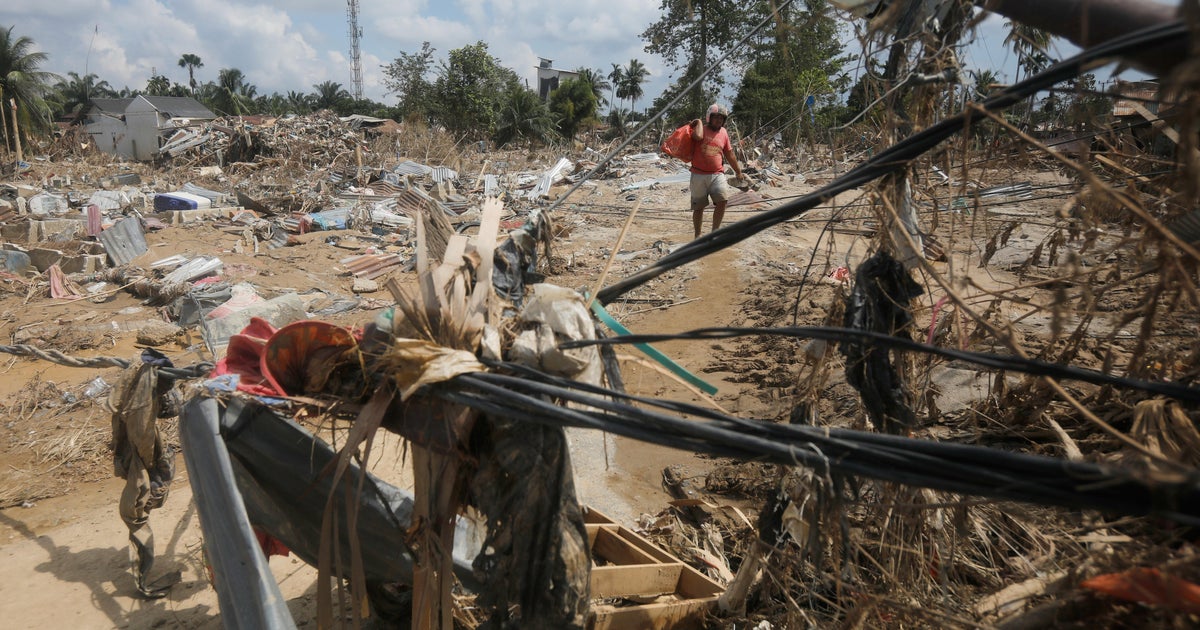
Catastrophic floods and landslides across parts of Asia have produced a severe humanitarian crisis — Indonesia reported 908 deaths and 410 missing, Sri Lanka 486 dead, Thailand 185 and Malaysia 3 — with Aceh Tamiang in Indonesia particularly devastated and some 260,000 people displaced. Critical infrastructure has been crippled (roads severed, transmission towers down, internet outages), impeding relief distribution and creating short-term disruptions to regional logistics and power connectivity; the scale of damage suggests near-term reconstruction needs and potential fiscal and insurance implications for affected emerging-market jurisdictions.
Market structure: Immediate winners are local construction contractors, cement and heavy-equipment sellers and telecom-tower repair specialists because reconstruction demand will spike; losers are short-term tourism, small retailers and export-dependent logistics nodes in Aceh where roads/ports are severed. Expect local pricing power gains for building materials (cement, steel) with demand shocks lifting volumes 20–40% regionally over 3–9 months while transport/logistics rates rise until roads/bridges are repaired.
Risk assessment: Tail risks include a larger-than-expected fiscal hit (Indonesia reallocates 0.5–1.0% of GDP to reconstruction → credit spread widening), social unrest from corruption accusations, and cascading supply-chain shortages for Sumatra-export commodities (coal, rubber) causing spot dislocations. Time horizons: days — logistical paralysis, IDR weakening; weeks–months — construction orders and imports for reconstruction; quarters — fiscal and ESG policy shifts, higher reinsurance premiums.
Trade implications: Short-term alpha is in directional microcaps tied to rebuilding (cement, contractors) and FX/bond plays (short IDR, buy USD, long sovereign CDS) while hedging tail via gold/volatility. Use pair trades: long construction names vs short broad Indonesia ETF (EIDO) to isolate domestic reconstruction demand from countrywide risk-off.
Contrarian angles: Consensus will be risk-off on Indonesia; that likely overshoots. If government quickly awards reconstruction contracts within 30–90 days, selected contractors could see revenues accelerate with limited new competition — mispricing window of 2–6 months. Secondary consequence: accelerated ESG/regulatory scrutiny on deforestation could create long-term winners among certified timber/plantation operators and losers among informal loggers.
AI-powered research, real-time alerts, and portfolio analytics for institutional investors.
Request DemoOverall Sentiment
strongly negative
Sentiment Score
-0.62
