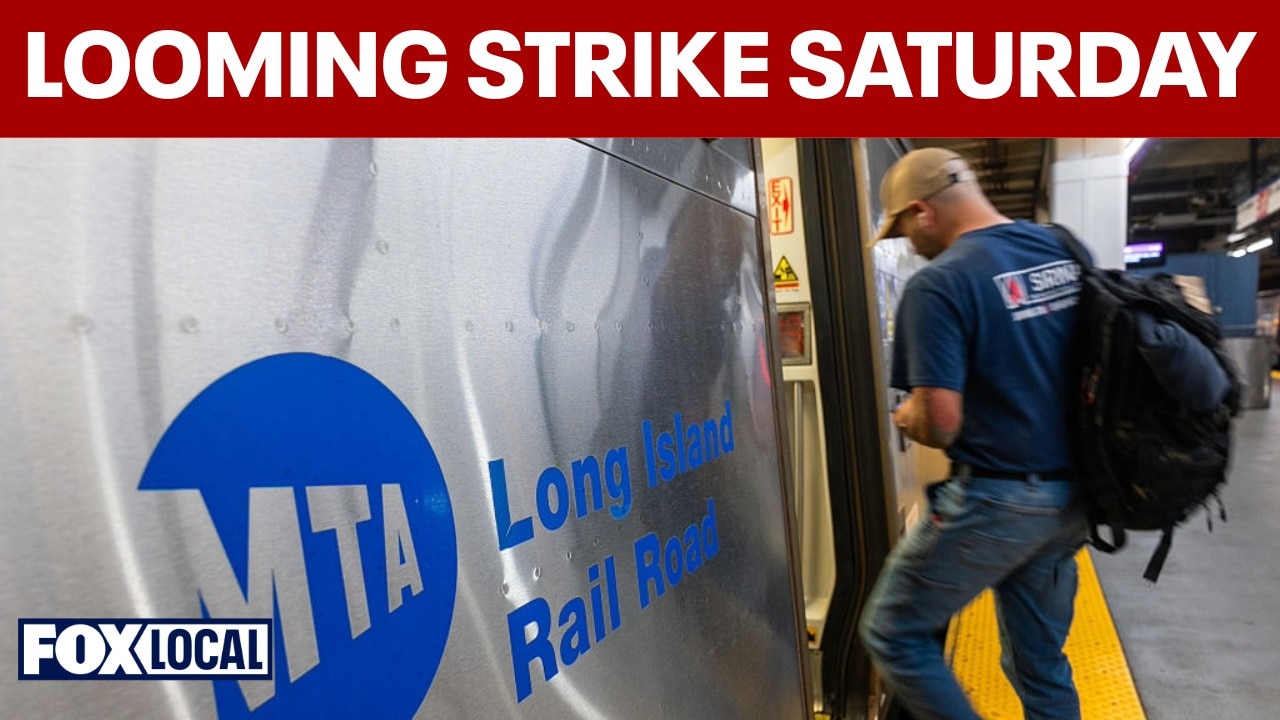
A potential LIRR strike could begin Saturday at 12:01 a.m. and shut down service for about 300,000 daily commuters if no deal is reached. The main dispute is pay, with unions seeking a 5% raise in year four versus the MTA's 3% offer plus lump sums; the MTA says bigger raises could force fares up as much as 8% or trigger service cuts. The contingency plan includes limited shuttle buses from several stations into Queens, but officials warn there is no full substitute for rail service and severe congestion is likely.
This is a near-term operational shock, not a structural credit event for MTA, but the market should treat it as a volatility catalyst across the New York mobility complex. The first-order winner is any alternative mode with spare peak capacity: ride-hail, parking monetization, suburban bus operators, and potentially commuter-facing retailers near major transfer nodes. The second-order loser is Manhattan-bound labor productivity; even a partial shutdown can force same-day schedule compression, which tends to hit office attendance, restaurant traffic, and last-mile logistics more than headline commuter counts suggest. The more important tradeable issue is political optionality. Because the agency has framed the wage delta as a future fare/service problem, a settlement likely arrives at a point that is economically suboptimal but politically necessary, which caps downside for the stock in the very near term but leaves a larger medium-term fiscal overhang. If the strike is avoided, the market will refocus on whether the eventual labor cost is absorbed through higher fares, delayed capex, or deeper subsidy pressure — all of which are negative for MTA's long-duration financial flexibility. The contrarian read is that the disruption may be less economically damaging than commuters fear, because much of the affected demand can be displaced in part, not destroyed: telework, staggered schedules, and carpooling reduce the need for a full replacement network. That means the immediate macro hit is likely concentrated over 1-5 trading days, while the bigger risk is reputational — another visible governance failure that increases the probability of more aggressive labor bargaining across other transit and municipal contracts over the next 6-12 months.
AI-powered research, real-time alerts, and portfolio analytics for institutional investors.
Overall Sentiment
moderately negative
Sentiment Score
-0.45
Ticker Sentiment
