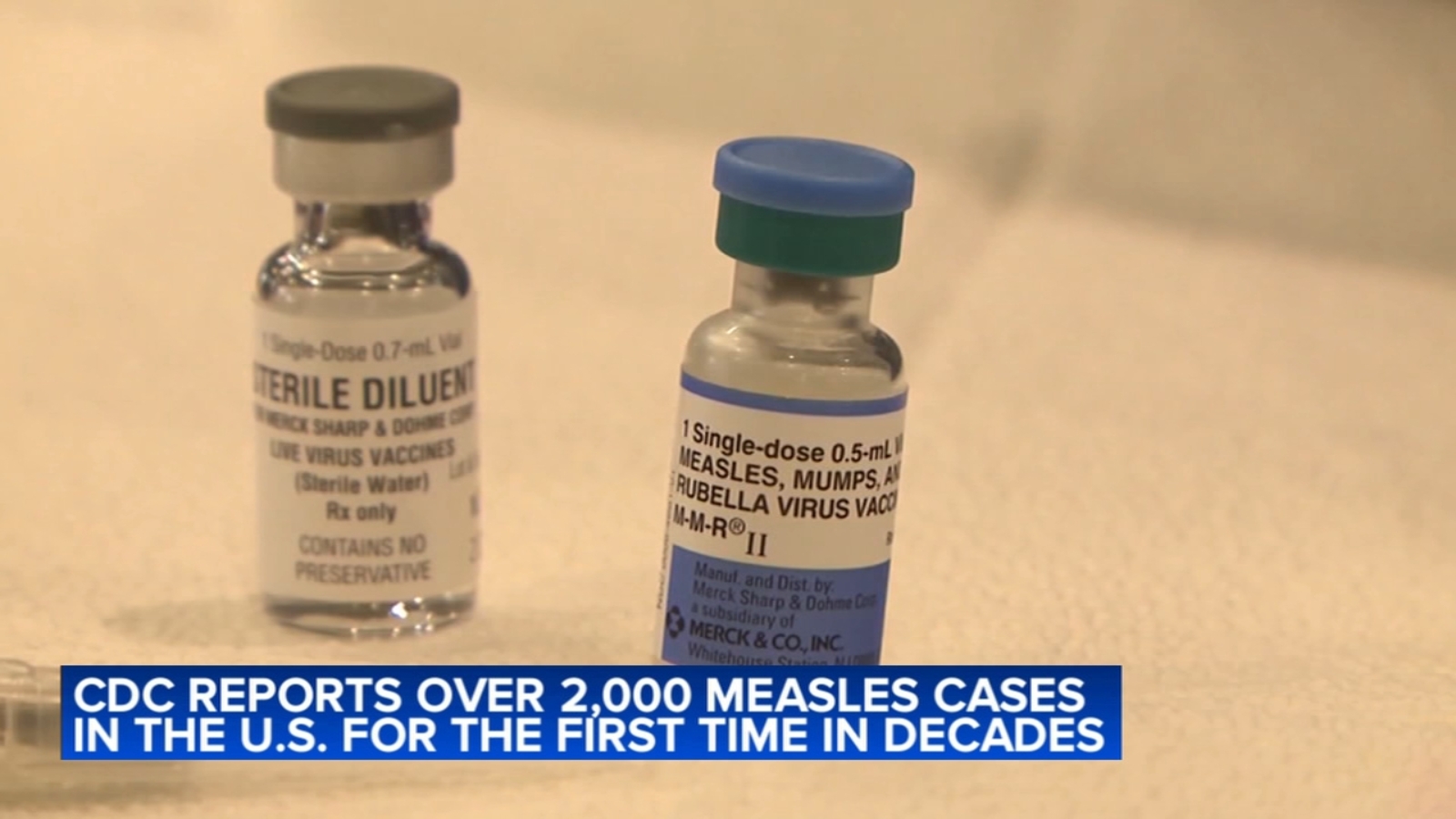
The U.S. reported 2,065 confirmed measles cases in 2025 as of Dec. 30, the highest annual total since 1992, driven by ongoing outbreaks in upstate South Carolina (≈180 cases) and along the Utah–Arizona border (>350 cases), while a West Texas outbreak earlier this year produced hundreds of cases and three deaths. With incoming kindergarten MMR coverage at 92.5%—below the ~95% threshold for herd immunity—the national measles-elimination status is at risk, implying potential localized public-health interventions, quarantines and modest impacts on healthcare demand and vaccine distribution logistics.
Market structure: Short-term winners are vaccine manufacturers, distributors and diagnostic suppliers (primary beneficiaries likely Merck (MRK), GSK, McKesson (MCK) and large diagnostics players) because state catch-up campaigns will drive incremental doses and testing demand; I estimate “catch-up” could mean several hundred thousand to low‑millions of additional MMR doses over 6–12 months — likely <1% incremental revenue for a large vaccine maker but meaningful for smaller peers. Losers are local leisure/travel and underinsured payers in heavily affected ZIP codes (possible transient revenue downticks) and state budgets facing emergency public‑health spend.
Risk assessment: Tail risks include a loss of U.S. measles elimination status triggering federal emergency procurement, temporary school exclusions or vaccine mandates (trigger if cases accelerate >150% in 30 days or exceed ~5,000 nationally within 60 days). Hidden dependencies: single‑supplier inventory constraints, political pushback on mandates, and sequencing data that links outbreaks across states — any of these could amplify demand or prompt price controls. Catalysts to watch in the next 30–90 days: CDC/WHO designations, state RFPs for vaccines, and public‑school exclusion orders.
Trade implications: Tactical long exposure to MRK (1–2% portfolio weight) or a 3–6 month call‑spread (buy ATM+5% call, sell ATM+15% call) captures upside from procurement without open‑ended delta; complement with a 0.5% long in large distributors (MCK) and a 0.5% long in diagnostics (Thermo Fisher TMO) to play testing demand. Offset with small, tactical shorts (0.5% each) in regional travel names (e.g., LUV) if local bookings/cancellations fall >10% week‑over‑week; take profits at +20–30% or cut losses at -7–10%.
Contrarian angles: The market likely underestimates policy permanence — an uptick in mandates or school requirements would shift baseline vaccine demand upward for multiple years, not just weeks, benefitting vaccine incumbents and distributors. Conversely, the outbreak could provoke price caps or litigation that compresses pricing power; historical parallels (post‑2019 outbreaks) show local policy changes can lift vaccination rates by several percentage points over 12–18 months, a structural upside for established vaccine producers.
AI-powered research, real-time alerts, and portfolio analytics for institutional investors.
Request DemoOverall Sentiment
moderately negative
Sentiment Score
-0.35
