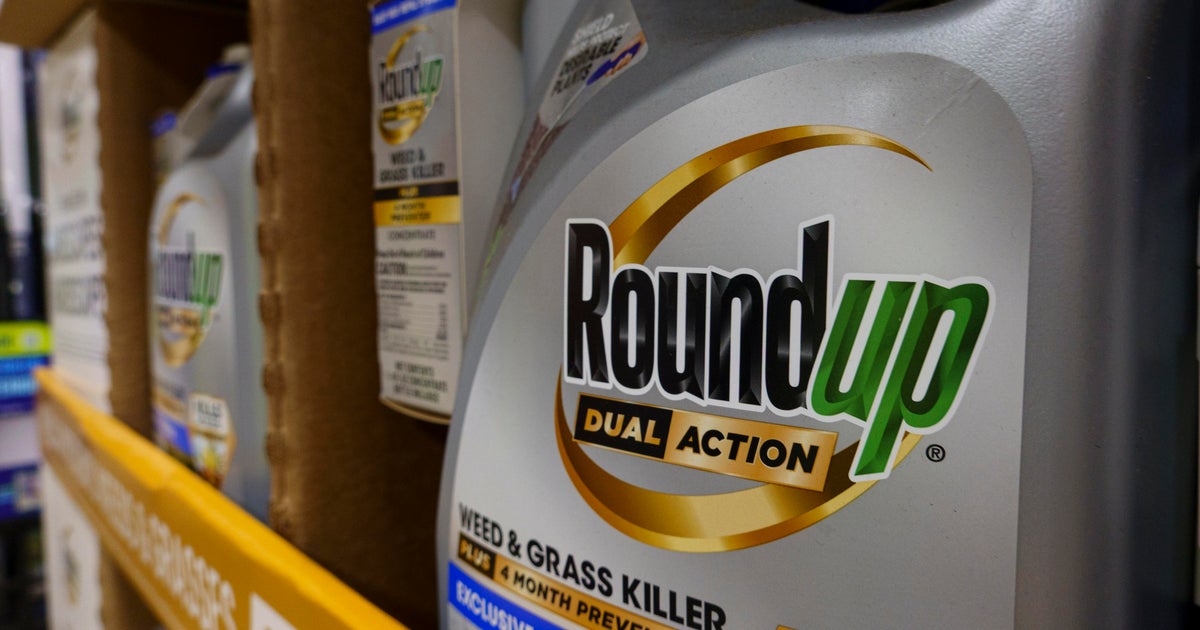
Bayer said Monsanto has proposed a $7.25 billion settlement to resolve claims that Roundup caused non-Hodgkin lymphoma, with annual payments possible for up to 21 years and eligibility for those diagnosed before the announcement. The company said the deal involves no admission of liability and, together with other undisclosed Roundup agreements amounting to about $3 billion, raises Bayer’s litigation liability from €7.8 billion to €11.8 billion (about $13.9 billion). The move follows prior large settlements and jury awards since Bayer’s $63 billion acquisition of Monsanto in 2018 and materially increases contingent liabilities that are likely to influence investor valuation and near-term stock performance.
Market structure: Bayer (BAYN.DE / OTC: BAYRY) is the direct loser—the proposed $7.25bn + ~$3bn in additional settlements raises litigation liabilities to €11.8bn and creates a predictable, multi-decade cash outflow (annualized payments up to 21 years). Retailers (HD, LOW) and competitors (CTVA, FMC) face limited direct demand shocks since Roundup remains on shelves, but competitors could gain if regulators or retailers delist glyphosate products. Credit markets will reprice Bayer: incremental liability raises default risk and likely puts modest upward pressure on EUR IG spreads and Bayer CDS in the near term.
Risk assessment: Tail risks include punitive jury awards, a regulatory ban on glyphosate in major markets, or a Bayer credit rating downgrade; each could inflict >30% equity downside or meaningful bond spread widening. Time horizons split: immediate (days) — elevated equity and option volatility; short-term (weeks–months) — court approval and insurer/reinsurance recoveries; long-term (years) — potential product restrictions and brand damage. Hidden dependencies: insurance/reinsurance recoveries, contingent consideration from Monsanto acquisition, and pension/cash covenant triggers could amplify financial stress.
Trade implications: Favor asymmetric hedges — protect/short Bayer equity and selectively buy protection in credit if CDS widens >60bps; consider pair trades long US agrochemicals (CTVA, FMC) vs short Bayer to capture relative upside if Bayer is constrained. Use 6–12 month options: buy 9–12 month puts on BAYN.DE ~15–25% OTM size 1–2% NAV, and consider buying Bayer senior bonds or selling CDS protection only if 5y CDS >200bps or senior yields >5.0% (entry thresholds). Rotate 2–4% portfolio weight from EU cyclicals/agro to US defensive staples (KO, PEP) for 3–12 months to lower volatility exposure.
Contrarian angles: The market may overshoot—settlement reduces legal uncertainty, so a sizeable, sustained equity sell-off (>15% from pre-news) could present a value entry; historical parallel: J&J’s talc provisions compressed then recovered once liability frameworks stabilized. Conversely, consensus may underprice regulatory risk: if major jurisdictions move to restrict glyphosate in 12–24 months, entire agrochemical peer group could re-rate, so size positions with clear stop-loss and 12–24 month horizon.
AI-powered research, real-time alerts, and portfolio analytics for institutional investors.
Request DemoOverall Sentiment
moderately negative
Sentiment Score
-0.60
