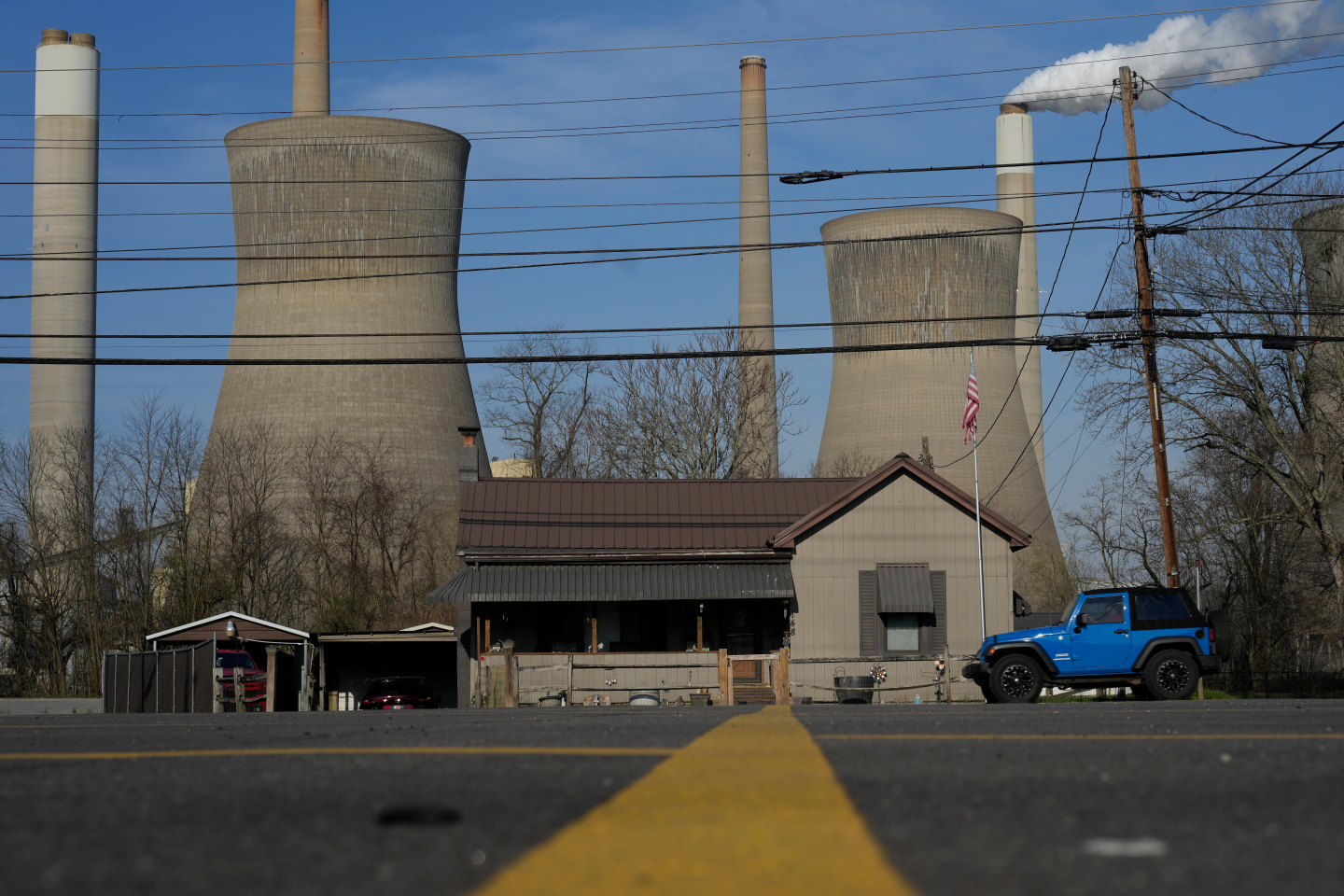
The Trump administration's policy forcing aging coal-fired plants to remain open has already cost more than $200 million, with the final bill still unknown. Utility ratepayers are likely to bear the expense of keeping five plants operating beyond their planned retirement dates, and those costs are still rising. The article highlights regulatory-driven cost pressure for the power sector and consumers.
This is a classic regulatory overhang with a very asymmetric loser set: regulated utilities and their customers absorb the cash cost, while the broader market risk is that politically directed asset extensions become a precedent for future interventions in power markets. The immediate beneficiary is not the coal owner so much as any merchant generation capacity in constrained regions, because forced retirements staying online suppresses scarcity pricing and delays dispatch shifts that would have favored gas-fired and renewables-heavy fleets. The second-order effect is on capital allocation, not just earnings. If utilities believe retirement schedules can be overridden after the fact, they will demand a higher risk premium on coal-to-clean transition capex and may slow voluntary coal closures until there is stronger policy certainty. That is mildly bearish for the utility sector’s cost of capital over the next 6-18 months, especially for names with large decarbonization programs or exposed customer bases in politically sensitive states. The bigger tradeable issue is that these costs are diffuse and lagged, so the political damage arrives later than the market headlines. Ratepayer backlash tends to show up in state regulatory proceedings, election messaging, and litigation, meaning the near-term equity impact may be muted while bond and preferred holders start pricing higher regulatory friction. If the policy is eventually reversed or narrowed, the reversal would likely come from court action or administrative change, not economics, and that is a months-to-years catalyst rather than a days-to-weeks one. Consensus is probably underestimating how this reinforces the ‘stranded asset plus forced extension’ paradox: coal is being kept alive, but that does not make it investable if the cost is externalized onto utilities and customers. The more interesting contrarian setup is that this can actually support gas and grid infrastructure over time, because utilities will lean harder into flexible backup assets and transmission investments to reduce exposure to politically imposed plant extensions.
AI-powered research, real-time alerts, and portfolio analytics for institutional investors.
Request DemoOverall Sentiment
mildly negative
Sentiment Score
-0.35
