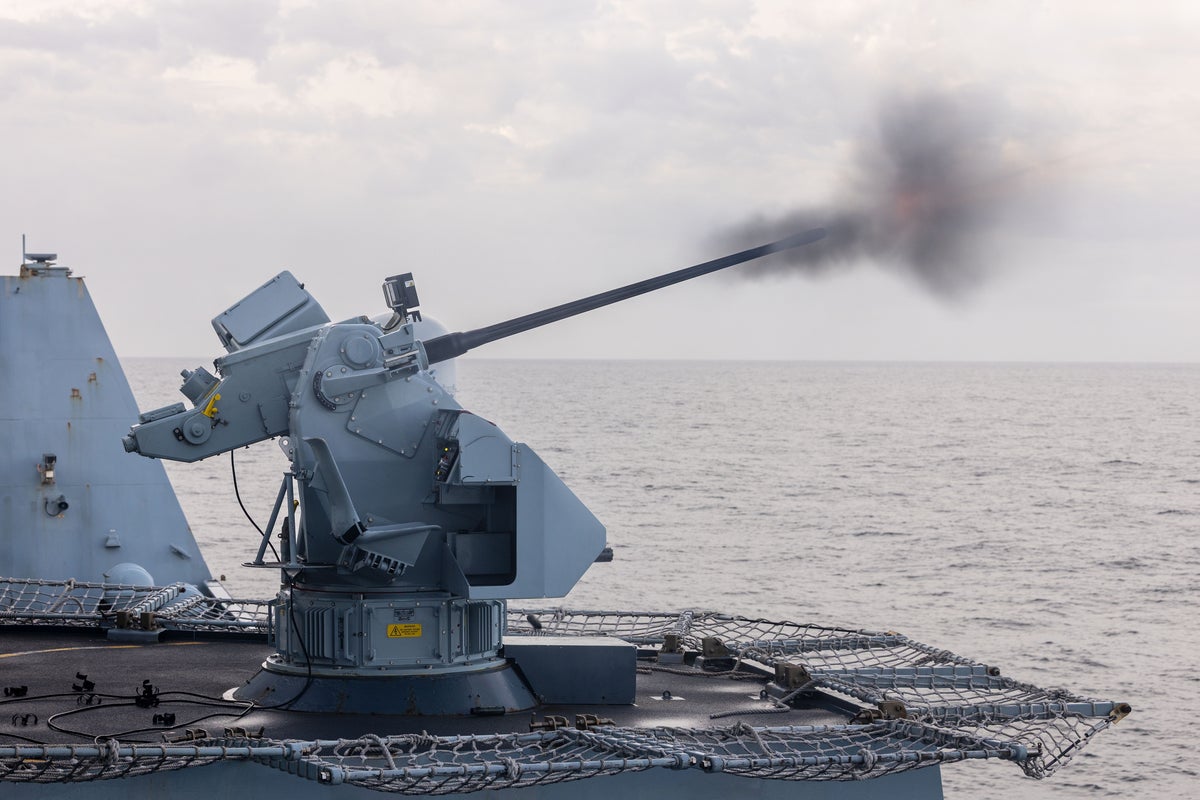
The UK has pledged to raise defence spending to 2.5% of GDP by 2027 and 3.5% by 2035, implying tens of billions of pounds in additional procurement. The Royal Navy’s combat fleet has shrunk from 466 vessels in 1975 to 66 in 2025 (destroyers down to six; frigates from 60 to 11), underscoring capability constraints. Heightened US–UK friction after the Iran war and public criticism from President Trump could complicate military cooperation even as London seeks to accelerate rebuilding.
Political theater is acting as an accelerant on an already shifting procurement cycle: increased public pressure and bilateral friction make incremental budget increases politically palatable, shortening decision timelines for flagship platforms. Because complex naval systems have multi-year delivery windows, a front-loaded procurement push will primarily shift spend into near-term engineering, design and supplier work rather than immediately expand at-sea presence.
That front-loading creates a predictable supply-chain squeeze: specialist steel, marine gas turbines, combat systems and skilled shipyard labor are capacity-constrained and have 2–5 year ramp-up times. Expect outsized order flow for tier-1 systems integrators and propulsion suppliers, plus margin pressure from subcontractor inflation and potential pre-financing by primes if sovereign budgets lag cash calls.
Market prices likely underweight the multi-year service and sustainment stream that follows new-build orders — the aftermarket (MRO, upgrades, long-term logistics contracts) often delivers steadier margin and visibility than one-off hull contracts. Key near-term catalysts are procurement notices, shipyard award announcements and sovereign guarantee schemes; downside catalysts are fiscal shock events that force re-phasing or program cuts, or a rapid de-escalation that reduces the political impetus to spend.
AI-powered research, real-time alerts, and portfolio analytics for institutional investors.
Overall Sentiment
mixed
Sentiment Score
0.00
