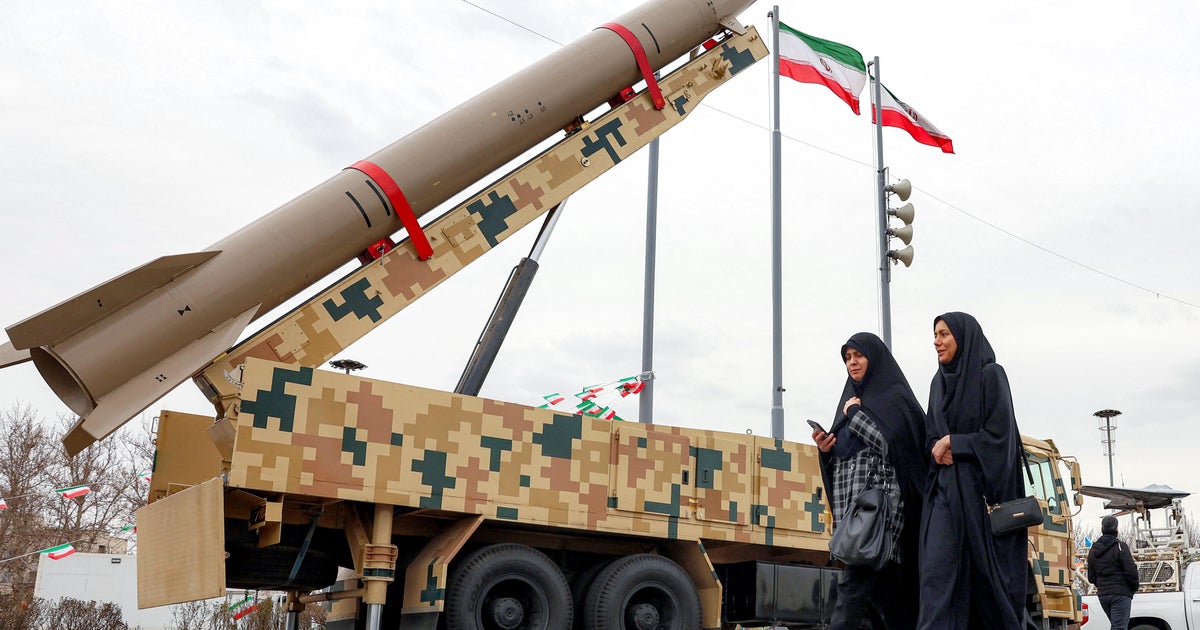
U.S. and Iranian negotiators met in Geneva under Omani auspices to discuss Tehran's nuclear program while President Trump has ordered a major U.S. military buildup and threatened strikes if Iran does not accept stricter limits. Iran's officials reiterate a refusal to build nuclear weapons but insist on the right to peaceful enrichment, and experts warn the sides remain far apart, making a military clash— and a protracted regional conflict—a substantial near-term risk. The standoff elevates policy and geopolitical tail risk for oil markets, regional assets and defense contractors and creates significant uncertainty for portfolio positioning.
Market structure: A U.S.–Iran kinetic escalation is a clear positive for major defense primes (LMT, RTX, NOC) and commodity producers (XOM, CVX, XLE) and a negative for Gulf-linked EM assets, airlines (AAL, UAL), and regional banks dependent on trade finance. Oil supply risk (Strait of Hormuz shocks or sanctioned Iranian exports dropping 0.5–1.5 mb/d) implies $5–15/bbl upside and a re‑pricing of energy cashflows, while risk-off flows bid gold (GLD) and long-duration Treasuries (TLT) and compress credit spreads in the safest sovereigns.
Risk assessment: Immediate (days) risk is a volatility shock: VIX +10–20 pts and crude +10% are realistic; short-term (weeks/months) could see protracted asymmetric strikes increasing defense CAPEX and insurance rates; long-term (quarters/years) sanctions/regime change could re-route global oil flows and accelerate U.S. shale winners. Hidden dependencies include insurance/shipping cost pass-through to trade volumes and reinsurance stress; catalysts are a single decisive strike, an IAEA finding, or OPEC supply response.
Trade implications: Tactical longs in defense and energy, paired with disciplined tail hedges, are highest expected-value. Use concentrated 2–4% position sizes per theme, staggered entries, and volatility-aware option overlays (3-month calls on defense/energy; 1-month SPY put spreads). Liquidity in FX (USD safe‑haven) and fixed income should be primary hedge; expect two-way trading and fast mean reversion if diplomacy returns.
Contrarian angles: Consensus may overestimate sustained war probability — past Gulf shocks (2019 tanker incidents) spiked prices then mean-reverted within 4–8 weeks. Defense names often price in the first-30-day premium; therefore scale in, take quick profits on >12–15% rallies, and watch diplomatic headlines (IAEA communiqués, Oman broker statements) as trade-exit signals within 7–14 days.
AI-powered research, real-time alerts, and portfolio analytics for institutional investors.
Request DemoOverall Sentiment
strongly negative
Sentiment Score
-0.70
