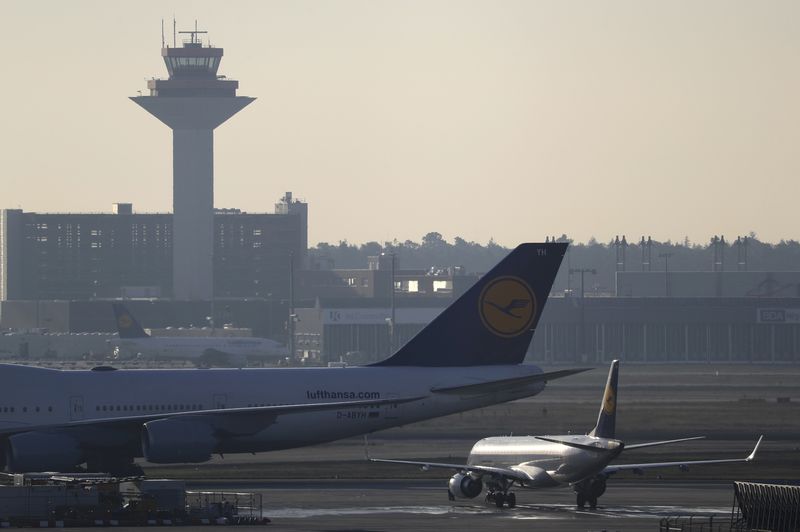
Europe faces a potential systemic jet fuel shortage within three weeks if the Strait of Hormuz remains blocked, with ACI-Europe warning of possible mass flight cancellations at hubs such as Heathrow, Frankfurt, and Schiphol. Jet fuel accounts for 20% to 30% of airline operating costs, and global jet fuel cracks have already risen to multi-month highs as traders price in a refining premium. The disruption threatens both summer travel and air cargo supply chains, making this a market-wide geopolitical energy shock.
The fastest transmission mechanism is not crude, but the refined-product complex: European airlines are effectively short jet fuel optionality into peak demand, while refiners with Atlantic Basin exposure gain pricing power as replacement barrels get rerouted and freight rates spike. Expect the first-order beneficiaries to be upstream integrateds and refiners outside the immediate disruption zone, but the second-order winners are likely logistics and storage operators with available tankage and flexible destination clauses. Smaller European carriers are the most structurally exposed because they cannot easily hedge a sudden procurement gap or pass through costs quickly without crushing load factors.
The bigger market issue is duration mismatch. Even if a diplomatic off-ramp appears, the physical recovery of specialized product flows will lag headlines by weeks, which means the equity market may underprice a prolonged earnings hit to airlines relative to the more visible move in crude. That creates a window where volatility in jet cracks and airline implied vols can stay elevated even if Brent stabilizes, because the real risk is operational disruption, not just fuel expense. Cargo is an underappreciated contagion channel: delayed belly capacity and higher freight rates can ripple into express delivery, semis, and high-value inventory chains.
Catalyst path matters: the next 5-10 trading days are about whether the Strait remains functionally impaired; the next 3-6 weeks determine whether this becomes a margin event or a capacity event. The key downside tail is a cascading set of flight cancellations and schedule resets, which would force airlines to cut capacity into the strongest seasonal demand window and could trigger a self-reinforcing drop in booking confidence. The main reversal would be a credible, verifiable reopening of shipping lanes plus normalization of tanker insurance and routing, but that still leaves inventory replenishment and crack spreads elevated for some time.
Consensus may be focused too much on headline oil and not enough on refined-product scarcity. If crude retreats on diplomacy while jet fuel remains tight, the market could misread the signal and bid up airlines on falling oil just as their procurement problem persists. That creates an attractive relative-value setup: long the refiners and short the most fuel-sensitive carriers until product spreads mean-revert or capacity guidance is revised lower.
AI-powered research, real-time alerts, and portfolio analytics for institutional investors.
Request DemoOverall Sentiment
strongly negative
Sentiment Score
-0.70
