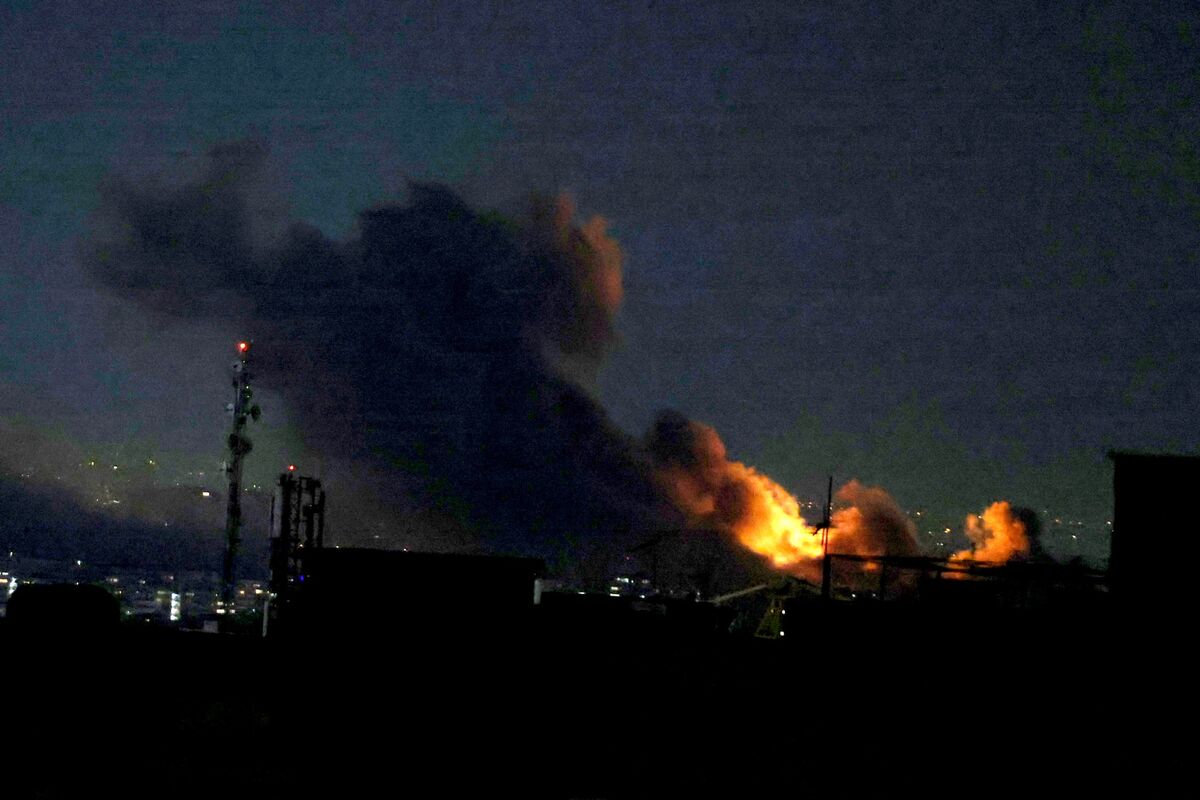
Brent crude climbed above $116/bbl as Iran-backed Houthi attacks and an expanded U.S. military presence sparked fears of a prolonged Middle East war, propelling a multi-session stock selloff. Aluminum and other commodities jumped, Pimco and JPMorgan warned markets are underestimating the downside growth risks, and incendiary political remarks (including calls to seize Iranian oil) raise the prospect of a large, sustained oil-supply shock with broader market and geopolitical consequences.
The immediate market transmission is not just higher hydrocarbon cash flows but a structural re-routing of physical barrels and insurance costs that will compress refined product availability in regions dependent on seaborne flows. Expect freight/tanker rates and war-risk premia to rise meaningfully — a sustained 20-40% increase in insurance costs for VLCCs would re-price delivered barrels into Europe/Asia and favor producers with landlocked or domestic logistics. Aluminum’s move is a signal that energy-driven primary metals supply chains are the canary: smelters operating on tight margins will curtail output within weeks if power/transport premiums persist, tightening refined metal markets ahead of crude balances.
Time horizons bifurcate: days-to-weeks will be driven by chokepoint disruptions and headline military escalations; months (1–4 quarters) by demand reaction and inventory draws; years by geopolitically driven capex reallocation into defense and domestic energy. A credible, coordinated release of strategic stockpiles or an agreement to corridor-safe shipping could reverse price shocks within 30–90 days; by contrast, sustained production outages or re-routing that removes ~1mbpd of seaborne capacity would keep risk premia elevated for 6–18 months and materially slow global growth. Market positioning is light volatility on many macro desks — that asymmetry amplifies intraday moves and option skews.
Practical implementation should focus on convexity: buy limited-loss upside exposure in oil and metals, capture relative-value between flexible US shale and slow-to-adjust majors, and pair cyclicals exposed to growth with security/defense longs. Risk management must assume large gap moves; use tight notional sizing (1–3% NAV per active directional trade), layered entries, and explicit stop levels tied to realized volatility rather than price alone. Monitor three near-term triggers for re-pricing: coordinated SPR-type releases, visible re-routing that restores tanker capacity, and a clear diplomatic de-escalation path — any of which would unwind a significant portion of the current premia.
AI-powered research, real-time alerts, and portfolio analytics for institutional investors.
Request DemoOverall Sentiment
strongly negative
Sentiment Score
-0.80
Ticker Sentiment
