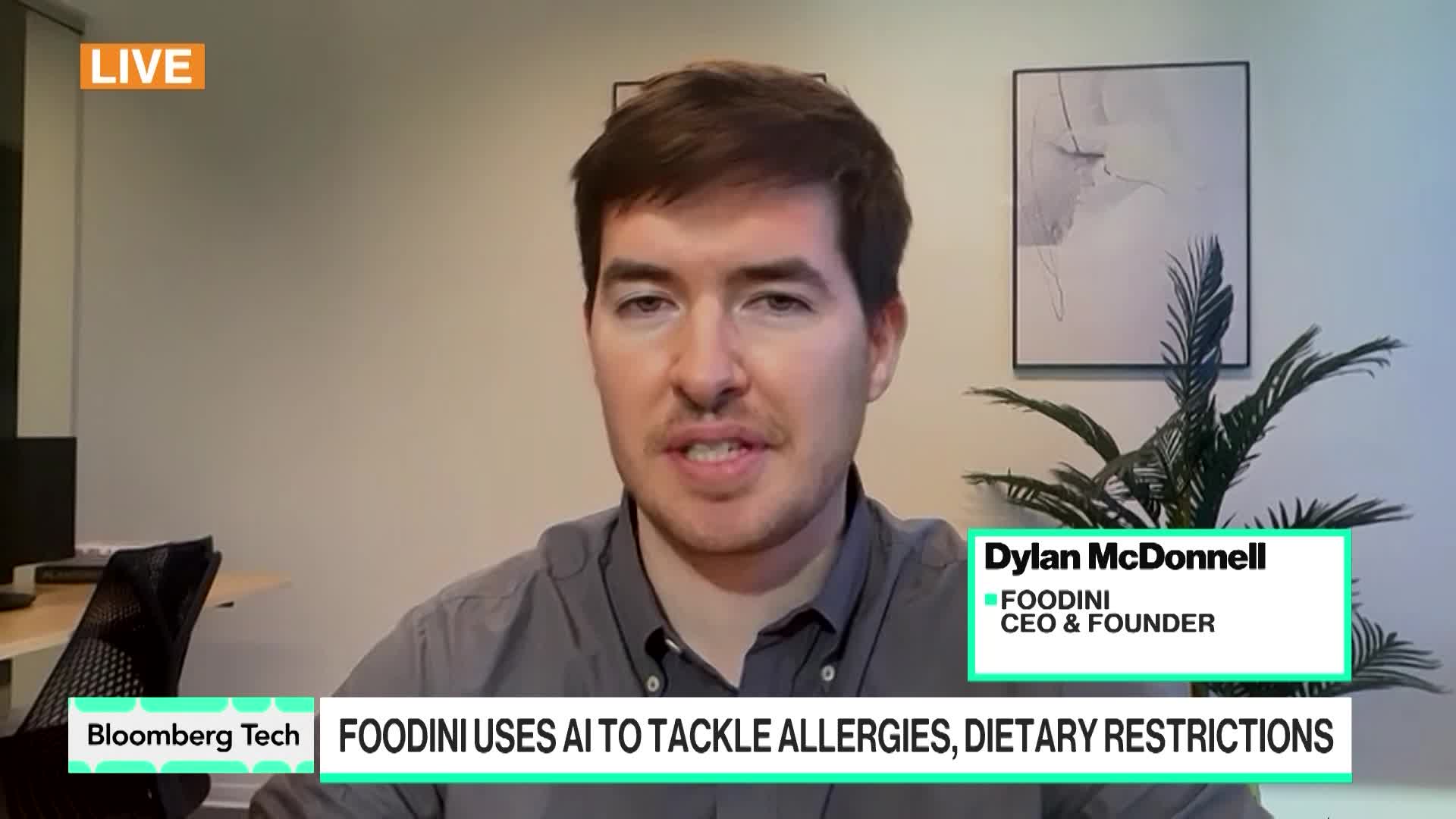
A startup founded by a celiac patient uses trained large language models to parse restaurants' menus, recipes and supplier data to tag ingredients to the ingredient level and surface personalized allergen/dietary guidance for consumers via QR-linked digital menus. The product supports over 150 allergens, includes dietician QA to limit model uncertainty and addresses liability concerns; California Senate Bill 68 (effective July 26) requiring chains with 20+ locations to label major non-food origins is accelerating interest from national restaurant chains who prefer digital menu solutions. Adoption among chains and food service operators could raise compliance-related spending and vendor relationships across the sector, though the story is operational rather than market-moving.
Market structure: SB68 (effective 26 Jul) creates a near-term procurement wave for digital menu/allergen solutions among chains with 20+ locations (U.S. TAM ~tens of thousands of stores). Winners: cloud-native restaurant SaaS (TOST, OLO, SQ/Block) and cloud/AI infra (MSFT, GOOGL) that can ingest supplier SKU data and push QR/digital menus; losers: legacy on-prem POS/terminal vendors and independents with high retrofit costs. Expect pricing power for integrated vendors (subscription + per-location fee) and winner-take-most dynamics as national rollouts favor incumbents with POS partnerships.
Risk assessment: Tail risks include product-liability lawsuits from mislabels, large-scale data breaches of sensitive dietary profiles, and major chains choosing in-house builds (reducing TAM). Immediate (days) impact is regulatory-driven inbound demand; short-term (30–90 days) is pilots and procurement cycles; long-term (12–36 months) is state-by-state regulation cascade and consolidation. Hidden dependency: vendor success hinges on quality of supplier ingredient data and seamless POS integration—both operational bottlenecks that can stall rollouts.
Trade implications: Direct plays — favor 6–12 month exposure to TOST (cloud POS + integrations) and OLO (digital ordering/inventory linkage); hedge with MSFT/GOOGL exposure to AI infra. Tactical option: buy 6–9 month call spreads on TOST (buy ATM, sell 25% OTM) to capture discrete adoption news while capping cost. Rotate 3–5% of restaurant-operator exposure into restaurant-tech SaaS over the next 90 days.
Contrarian angles: Market may overestimate immediate revenue per location — expect modest ARPU (low-single-digit k$ annually), so valuations that price large TAM wins are vulnerable. Historical parallel: calorie-label regulation drove POS upgrades but led to consolidation and sector M&A, not countless independent SaaS winners. Unintended consequence: liability and insurance premium increases could slow small-chain adoption, concentrating revenue to the largest SaaS vendors.
AI-powered research, real-time alerts, and portfolio analytics for institutional investors.
Request DemoOverall Sentiment
mildly positive
Sentiment Score
0.28
