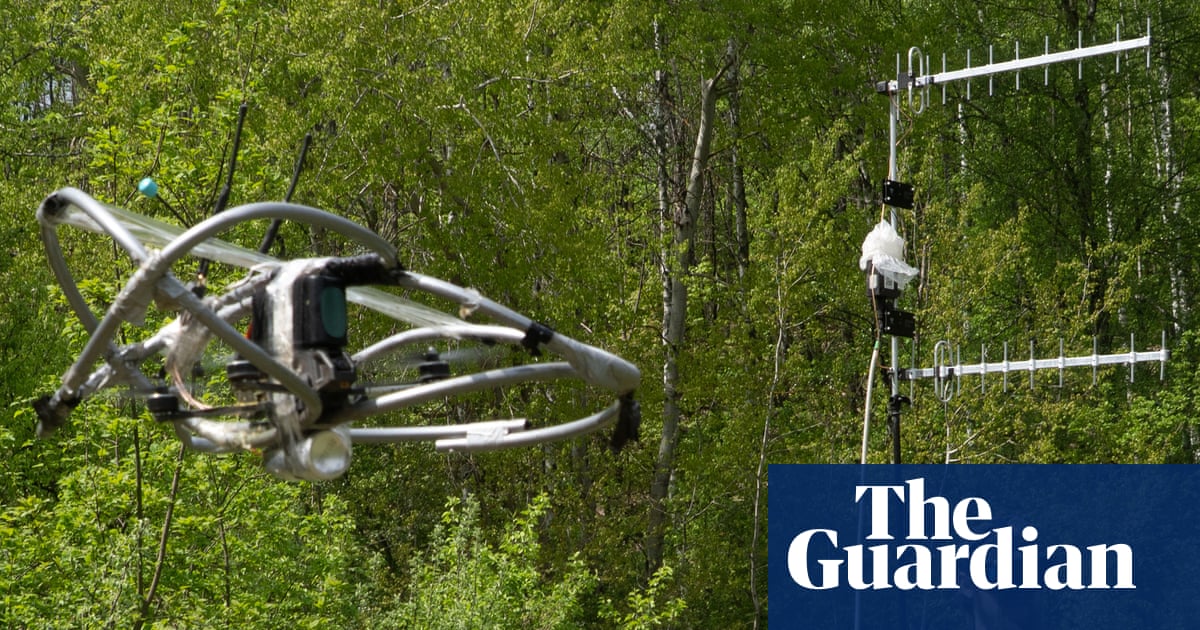
Russia’s renewed drone and air attacks in Ukraine killed at least six people in Dnipropetrovsk region after the ceasefire expired, with additional injuries and infrastructure damage reported in Kyiv, Cherkasy, Zhytomyr, Chernihiv, Dnipro, Kherson and Mykolaiv. Energy facilities were hit, causing blackouts in Mykolaiv, while Ukraine said it struck gas facilities in Russia’s Orenburg region more than 1,500 km from its border. The escalation underscores persistent geopolitical risk and continued pressure on regional energy and defense infrastructure.
The market implication is not the headline violence itself but the shift from a transient ceasefire narrative back to a higher-base-war regime, which tends to reprice European risk premia faster than it changes spot assets. The first-order beneficiaries are defense primes, drone/interception supply chains, electronic warfare, and the firms selling air-defense software, sensors, and munitions replenishment rather than tanks. The second-order loser set is broader: Ukraine-facing logistics, regional power infrastructure, and any European industrial names with exposed eastern supply chains or elevated gas-intensity remain vulnerable to rolling disruption and insurance cost inflation.
Energy is the cleaner trading transmission. Long-range strikes on Russian gas infrastructure raise the odds of localized supply frictions and retaliatory targeting, which can add a geopolitical risk premium to European gas and power even if physical flows are not immediately curtailed. The more important effect is optionality: each escalation increases the probability of a winter-carry squeeze, higher spot volatility, and a steeper curve in TTF/NatGas if traders start pricing persistent repair risk, not just temporary outages.
The contrarian risk is that the market may already be saturated with war headlines, so the immediate move could fade unless there is evidence of sustained infrastructure damage or a policy response from Europe/US. The real catalyst window is days to weeks: confirmation of longer-range strike capability, any sustained blackout pattern in southern Ukraine or Russia’s energy nodes, and fresh NATO funding or procurement announcements. If diplomacy gains traction, defense-beta names could mean-revert quickly, but that requires a credible de-escalation channel, not just rhetorical signaling.
AI-powered research, real-time alerts, and portfolio analytics for institutional investors.
Request DemoOverall Sentiment
strongly negative
Sentiment Score
-0.85
