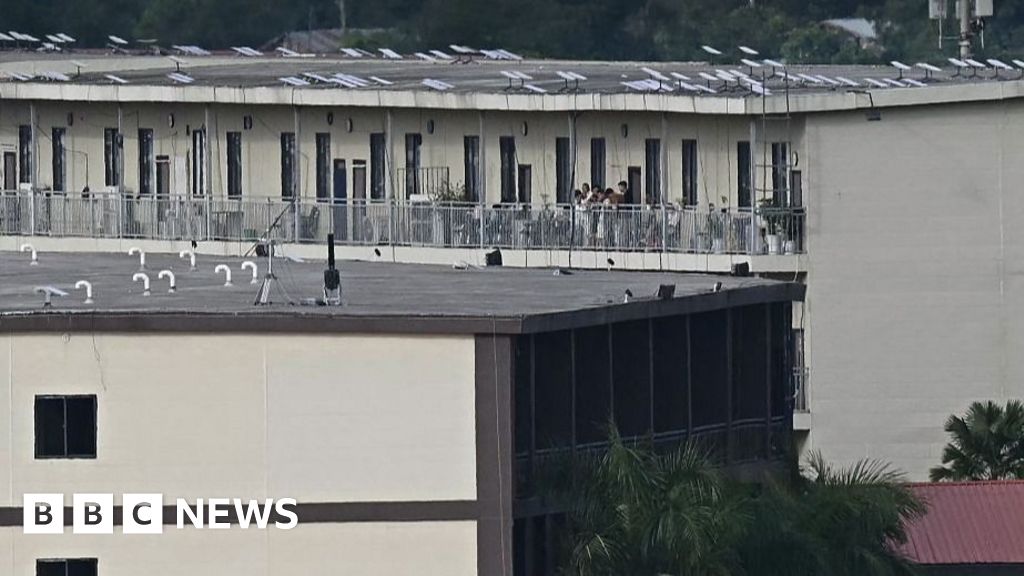
SpaceX has disabled Starlink services for over 2,500 devices associated with illicit scam compounds in Myanmar, which generate tens of billions annually through forced labor and fraud. The move, confirmed by Starlink's head of business operations, underscores the company's efforts to prevent misuse of its satellite internet while highlighting the critical role such technology plays in enabling these remote criminal enterprises, which are deeply embedded in Myanmar's wartime economy.
SpaceX has proactively disabled Starlink services for over 2,500 devices linked to illicit scam compounds operating along the Thai-Myanmar border. These criminal enterprises, which engage in human trafficking and forced labor, are estimated to generate tens of billions of dollars annually through various fraudulent schemes. This action follows the Myanmar military's recent takeover of KK Park, where 30 Starlink terminals were confiscated, underscoring the technology's critical role in these remote operations.
The move by SpaceX, as confirmed by its head of business operations, Lauren Dreyer, highlights the company's commitment to preventing the misuse of its satellite internet services. While this action addresses a significant number of devices, campaigners have long noted Starlink's enablement of these syndicates, posing a reputational challenge for the company despite its stated efforts to be a "force for good."
Despite SpaceX's intervention, at least 30 other scam compounds remain active, employing tens of thousands globally. These centers are deeply embedded in Myanmar's wartime economy, often protected by militia groups loyal to the military junta, suggesting a complex and ongoing geopolitical challenge. The long-term effectiveness of such disconnections, particularly given the broader conflict context, remains uncertain.
AI-powered research, real-time alerts, and portfolio analytics for institutional investors.
Overall Sentiment
mildly positive
Sentiment Score
0.20
