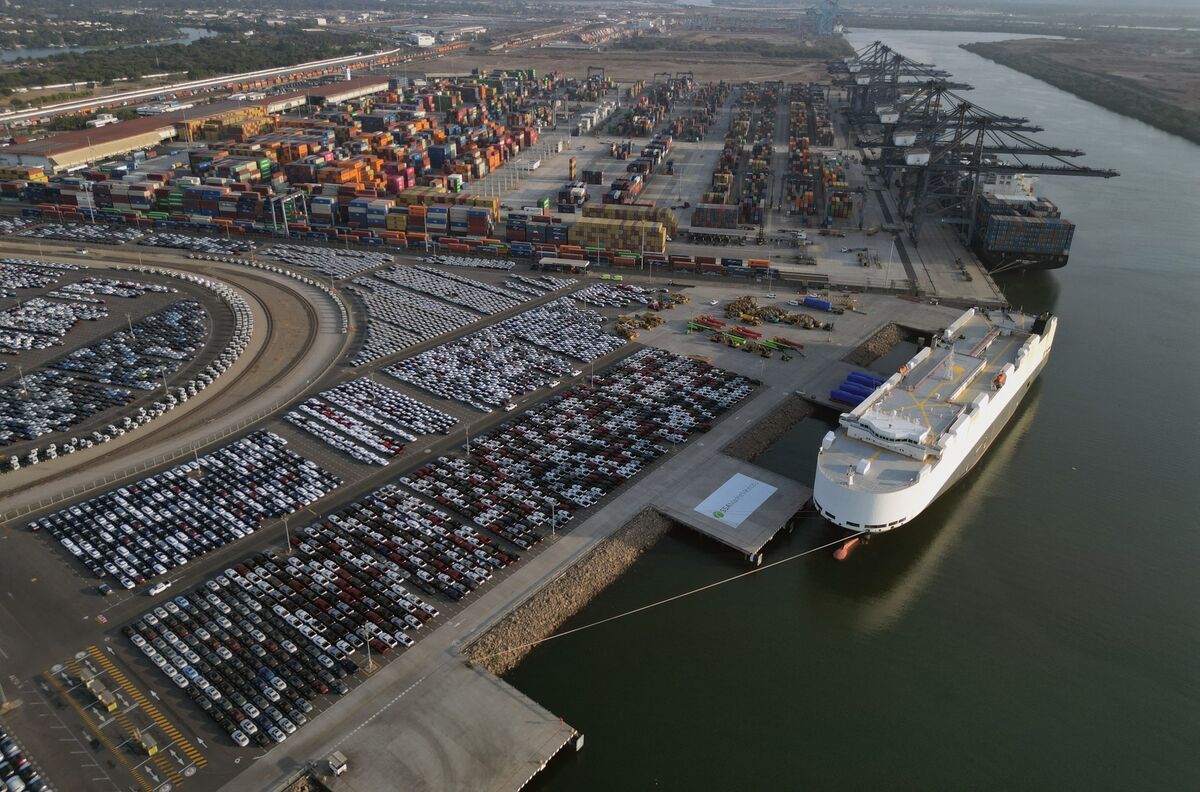
Mexico's impending tariffs on imports from countries lacking free trade agreements, including South Korea, China, and India, are set to disadvantage their exporters, particularly South Korean automakers, who will face higher costs compared to Japanese rivals. This policy shift grants Japanese carmakers a competitive edge in the Mexican market, underscoring the strategic importance of bilateral trade agreements for market access and competitiveness.
Mexico's proposed implementation of steep tariffs on over 1,400 product categories from countries lacking a free trade agreement introduces a significant shift in the competitive landscape. This policy, if approved by Congress, will directly impact exporters from nations such as China, India, and particularly South Korea. Within the automotive sector, South Korean carmakers are positioned to face a notable disadvantage due to higher import costs into the Mexican market. Conversely, Japanese automakers are poised to gain a competitive edge, as their operations are not subject to these new levies. This development underscores the strategic risk associated with trade policy uncertainty and highlights how bilateral trade agreements can fundamentally alter market access and cost structures for multinational corporations operating in emerging markets.
AI-powered research, real-time alerts, and portfolio analytics for institutional investors.
Request DemoOverall Sentiment
mixed
Sentiment Score
0.00
