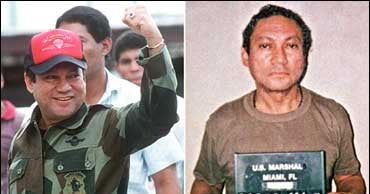
A U.S. operation reportedly captured Venezuelan President Nicolás Maduro and his wife, prompting opposition leader María Corina Machado to publish a letter declaring Maduro will face international justice and urging immediate recognition of Edmundo Gonzalez Urrutia as Venezuela's legitimate president. Machado—recently awarded the 2025 Nobel Peace Prize and known to have left the country for Norway—called for mobilization of domestic and diaspora supporters to complete a democratic transition and restore order, signaling potential political realignment in Venezuela with uncertain implications for regional stability and markets.
Market structure: A sudden U.S. capture of Maduro and an opposition push raises immediate upside risk to Brent/WTI from potential disruption of Venezuelan exports (short-term shock) but medium-term increases in supply if sanctions ease. Expect 30–90 day volatility in crude of ±5–12%; oil majors (XOM, CVX) gain optionality if Venezuela's heavy crude re-enters markets but will face negotiation/litigation frictions. EM equities and sovereign credit (EMB, local FX) trade wider spreads as risk premia reprice; gold (GLD) and VIX-linked instruments should rally on uncertainty.
Risk assessment: Tail risks include a prolonged civil conflict (months) collapsing Venezuelan exports entirely (-0.5–1.0 mbpd impact), wider regional conflict drawing in Colombia/Brazil, or accelerated sanction relief leading to large but slow supply restoration (200–800 kbpd over 6–24 months). Immediate (days) risk is liquidity-driven price moves; short-term (weeks–months) is credit/FX contagion across LatAm; long-term (quarters) is legal/regulatory uncertainty around PDVSA assets and repatriation. Hidden dependencies: shipping insurance, refinery intake constraints for heavy crude, and the timing of U.S. policy shifts—monitor Treasury/OFAC notices and ICC/UN actions.
Trade implications: Tactical: buy asymmetric oil exposure (buy Jul–Dec Brent 1.5:1 call spread) sized 1–2% NAV to capture 10–25% upside if supplies drop; hedge with 0.5% NAV put spread on EEM or EMB to protect EM downside. Rotate 1–2% into defense primes (LMT, NOC) on 3–6 month view if U.S. operations continue; reduce LatAm sovereign and frontier EM debt exposure by 30–50% of existing positions immediately. Use stop-loss thresholds: cut oil long if Brent falls >8% from entry or if OFAC announces sanction relief timeline within 30 days.
Contrarian angles: Consensus will buy oil and defense, sell EM broadly; consider short-term long of Venezuelan-exposure cyclical assets if credible sanctions relief appears (mean reversion trade) — for example, selective long in heavy-crude refiner Valero (VLO) only after 60–120 day confirmation. The market may underprice the time and capital required to restart PDVSA flows (6–24 months), so avoid large-cap oil exposure premised on rapid supply increases. Unintended consequence: rapid power vacuum could create protracted sanctions and asset seizures, so size positions small and staggered.
AI-powered research, real-time alerts, and portfolio analytics for institutional investors.
Request DemoOverall Sentiment
neutral
Sentiment Score
0.00
