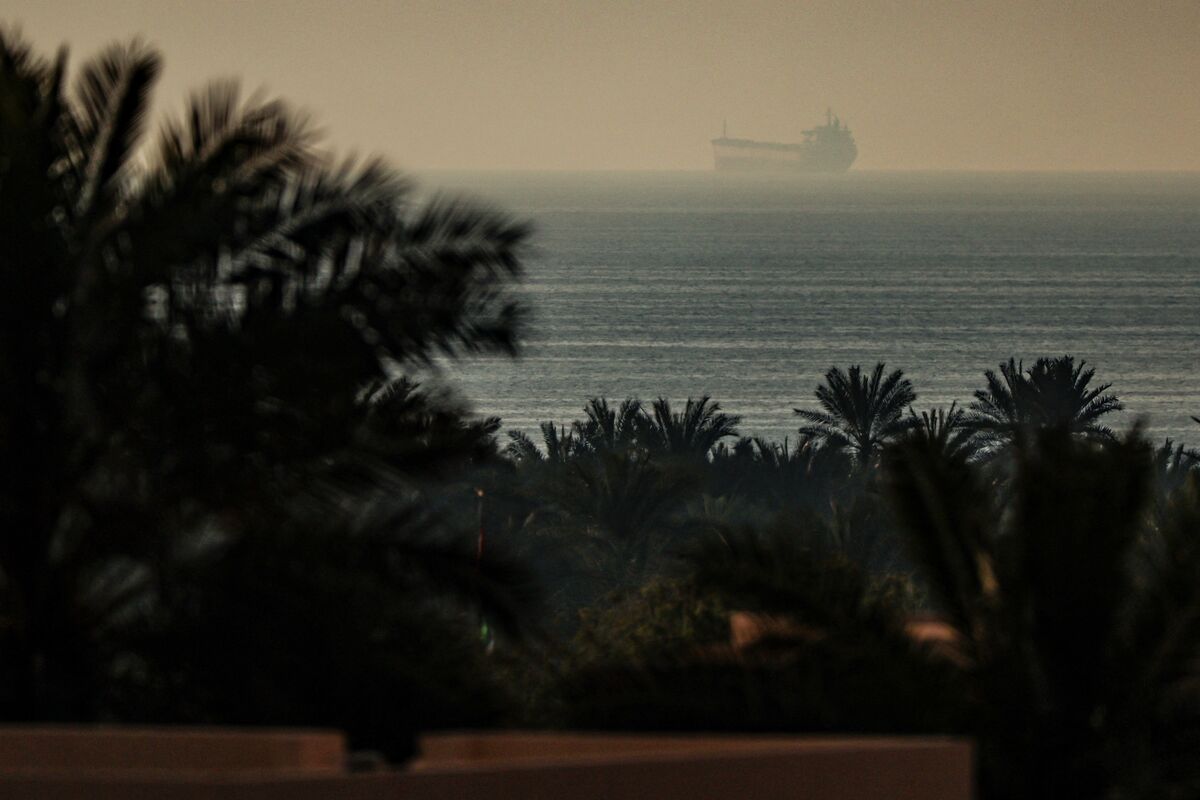
Iran has moved roughly 1.2 million barrels per day of crude through the Strait of Hormuz since March 1, accounting for nearly 75% of the 27.2 million barrels transited; this is down from a pre-war level of about 1.5 million bpd. Tehran's continued control of the vital waterway while other exporters falter raises downside risk to regional throughput and upside pressure on oil price volatility and supply-chain disruption for oil markets.
Iran’s de facto control of transit through Hormuz functions like a chokepoint option: it preserves Tehran’s own cash flows while imposing marginal transport, insurance and delay costs on third‑party exporters. The practical outcome is a two‑tier market where spot charter rates and war‑risk premia for non‑Iranian cargoes rerate upward; expect shorter‑lived cargoes (prompt-loading grades) to be bid into by buyers willing to accept higher freight, while risk‑averse refiners substitute or destock. Second‑order winners include owners of modern, large crude carriers (VLCC/Suezmax) and shipbrokers who capture higher freight/commission spreads; losers are smaller tanker owners lacking sanction‑resilient flags and refiners forced into longer voyage economics (transit around Africa adds days and incremental freight that compresses refining margins). Over months this will incentivize (a) longer floating storage cycles, (b) cargo diversification to non‑Hormuz suppliers, and (c) tactical arbitrage opportunities for refiners in India/China with flexible lift schedules. Tail risks are asymmetric. In the near term (days–weeks) a naval escalation or an international convoy/escort campaign could restore transit confidence and violently unwind freight premia; in the medium term (months) formal sanctions or a negotiated freeze could either cut Iranian flows or normalize third‑party transit. Structural reactions — greater investment in pipelines skirtting straits or expanded regional storage — play out over years and permanently compress chokepoint rent capture. The market consensus is underestimating the persistence of freight and insurance premia: even if crude volumes re‑route, the cost pass‑through to refined product margins and regional refinery crude slates can persist for quarters. That makes volatility in tanker equity and oil price optionality a more attractive trade than outright long/short in upstream equities alone.
AI-powered research, real-time alerts, and portfolio analytics for institutional investors.
Overall Sentiment
neutral
Sentiment Score
0.00
