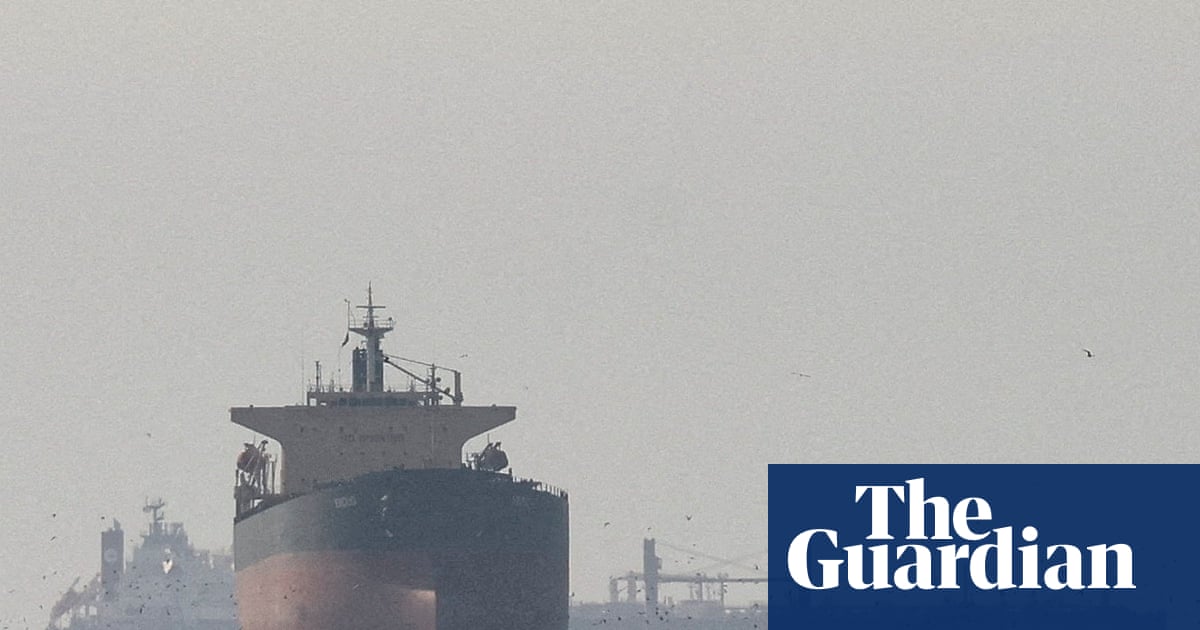
About 20% of global oil supplies transit the Strait of Hormuz, which is effectively closed amid threats from Iran, prompting the UK to offer to host a multinational security summit and over 30 countries to sign a joint statement to safeguard the waterway. Gas prices have almost doubled and oil prices and government borrowing costs have risen sharply; the UK is preparing military options (including minesweeping drones) and imminent military-to-military talks to reopen a safe shipping route.
The immediate market transmission is not just a crude price shock but a structural rise in maritime risk premia that can persist well beyond a headline de-escalation. A sustained $10/bbl move typically adds ~0.2–0.3 percentage points to headline CPI over 6–12 months and forces central banks to remain data-dependent; expect policy-rate repricing in sovereign curves within 1–3 months which will compress risk assets and widen credit spreads on lower-rated corporates.
Operationally, rerouting or convoying through protective corridors materially increases voyage costs and transit times — think +10–14 days and incremental fuel/charter costs on VLCCs in the mid-six-figures to low-seven-figures per voyage — which props spot tanker rates and war-risk insurance for owners while simultaneously choking container throughput and inflating landed input costs for European importers. Military-enabled mitigations (minesweeping drones, coordinated escorts) are a credible 4–8 week pathway to margin normalization for shipping, not an instantaneous cure; capability deployment timelines create a clear binary catalyst window.
Second-order winners include publicly listed tanker operators, maritime insurers/brokers and defense suppliers of unmanned maritime systems; losers are container lines, exposed retailers, and any European industrials reliant on just-in-time imports. The largest macro pivot is political: a coordinated escort/insurance solution would unwind much of today’s premium rapidly, creating asymmetric downside for stretched energy/shipping longs if that reversal arrives within the 1–3 month window.
Trade discipline should focus on capture of convex upside to prolonged disruption while explicitly hedging the “fast diplomatic fix” tail — position sizing should assume a >30% price reversion risk within 90 days if a summit yields a rapid operational plan.
AI-powered research, real-time alerts, and portfolio analytics for institutional investors.
Request DemoOverall Sentiment
strongly negative
Sentiment Score
-0.60
