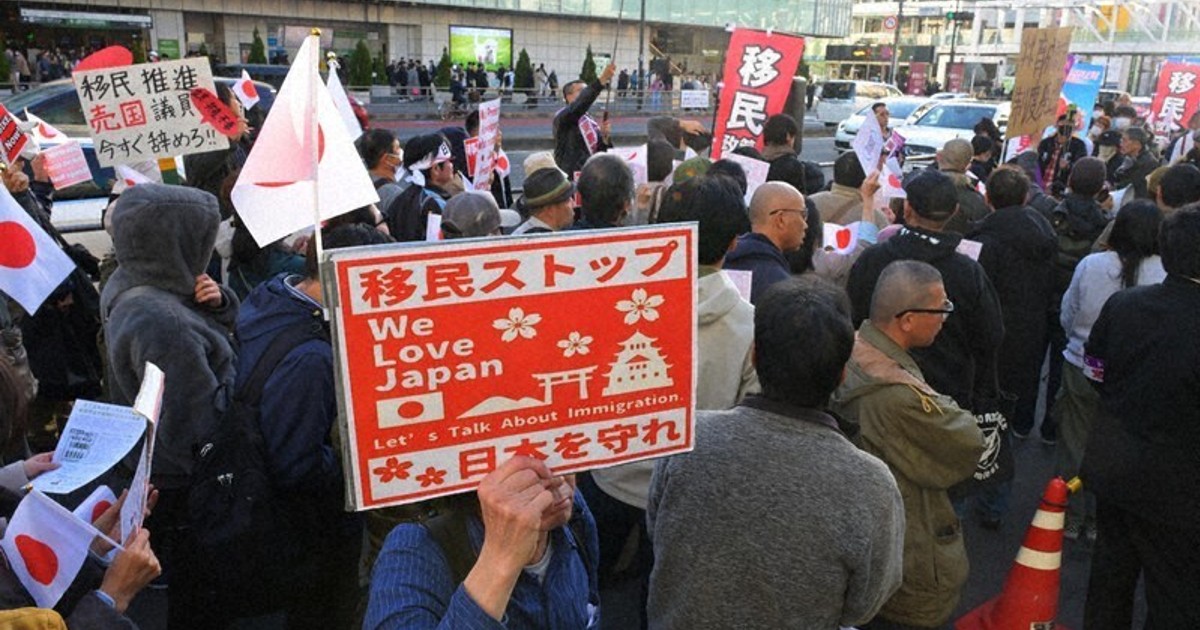
A Mainichi Shimbun survey found 40% of 65 Japanese local governments received a high volume of complaints about policies for foreigners in the past year, with some jurisdictions reporting hundreds or thousands of contacts (Miyagi Prefecture logged 2,470 calls/emails over proposed Muslim burial grounds). Officials say misinformation on social media and election-related tensions (noted after the July 2025 House of Councillors vote) have driven the uptick, leaving staff intimidated though most governments have not reversed policies; some have tightened information sharing. Experts warn concentrated pressure on local authorities could undermine multicultural coexistence and call for clearer laws and greater support for local decision-making.
Market structure: Rising complaints shift demand toward local government spending on communications, security, and legal/consulting services. Expect municipal procurement uptick of +5-15% in non-capex line items (PR, call-centres, private security) in affected prefectures over 3–12 months, while discretionary projects (new burial sites, multicultural centers) face delays and potential cancellations, pressuring regional construction and property activity.
Risk assessment: Tail risks include rapid politicization ahead of elections causing policy reversals, boycotts of tourism/education programs, or central government intervention raising compliance costs for municipalities; low-probability shocks could widen regional bond spreads by 10–50bp. Immediate risks (days–weeks) are reputational; medium-term (months) are higher operating budgets and slowed capex; long-term (years) is potential retreat from multicultural policies reducing inward labor/tourism flows.
Trade implications: Tactical winners are private security (operational demand) and PR/legal consultancies; losers are regional banks, small-cap construction firms, and regional REITs tied to multicultural projects. Cross-asset: small upward pressure on JGBs in stressed prefectures and modest JPY strength as domestic political uncertainty nudges safe-haven flows; options markets may see localized vol in regional bank names.
Contrarian angles: The market underestimates persistent demand for outsourced services even if policy statements are unchanged — municipalities will pay to defuse conflicts. Reaction may be underdone for security/PR equities and overdone for regional bank credit; historical parallels: municipal backlash episodes in Europe led to outsized spending on compliance/security rather than project cancellation.
AI-powered research, real-time alerts, and portfolio analytics for institutional investors.
Request DemoOverall Sentiment
moderately negative
Sentiment Score
-0.35
