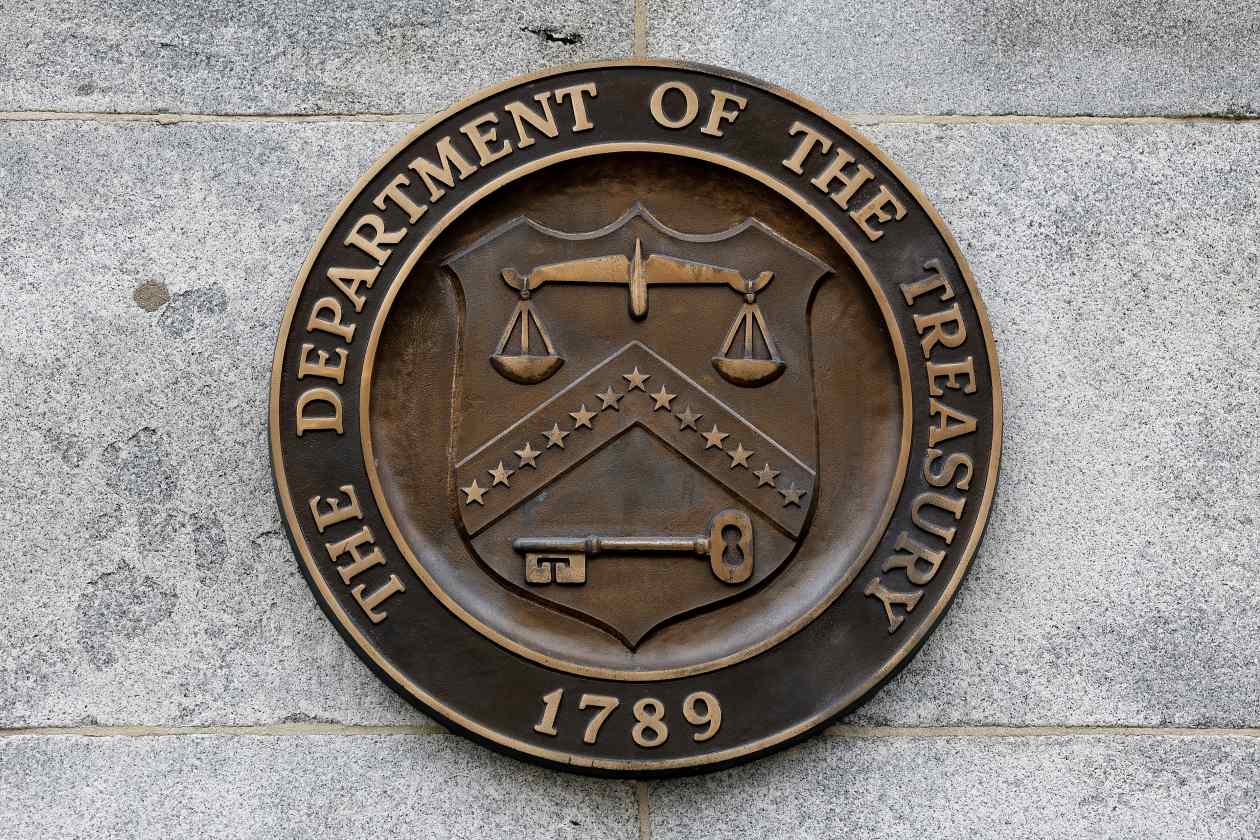
Economist Steven Blitz of GlobalData TS Lombard asserts that a 'lite version' of yield-curve control is now operational in the U.S., stemming from the Treasury's short-term bill usage and the Federal Reserve's signal of 2025 rate cuts. These coordinated actions are stabilizing bond-market yields, which is expected to enable the financing of the $1.8 trillion budget deficit for fiscal 2025. This development signals an implicit strategy to manage the yield curve, impacting fixed income market dynamics.
Economist Steven Blitz of GlobalData TS Lombard asserts that a "lite version" of yield-curve control (YCC) is now operational in the U.S., driven by the Treasury Department's strategic use of short-term bills. This is further supported by the Federal Reserve's forward guidance signaling potential rate cuts in 2025, indicating a coordinated effort to manage market dynamics. This implicit YCC strategy is primarily aimed at stabilizing bond-market yields, which is deemed essential for the U.S. government. The stability is expected to facilitate the financing of the substantial $1.8 trillion budget deficit projected for fiscal year 2025. The market's initial reaction carries a mildly positive sentiment with a market impact score of 0.6, suggesting a constructive view on this coordinated fiscal and monetary approach. This development underscores a proactive stance by authorities to manage sovereign debt financing costs and maintain market equilibrium, drawing a conceptual parallel to Japan's past YCC efforts.
AI-powered research, real-time alerts, and portfolio analytics for institutional investors.
Request DemoOverall Sentiment
mildly positive
Sentiment Score
0.25
