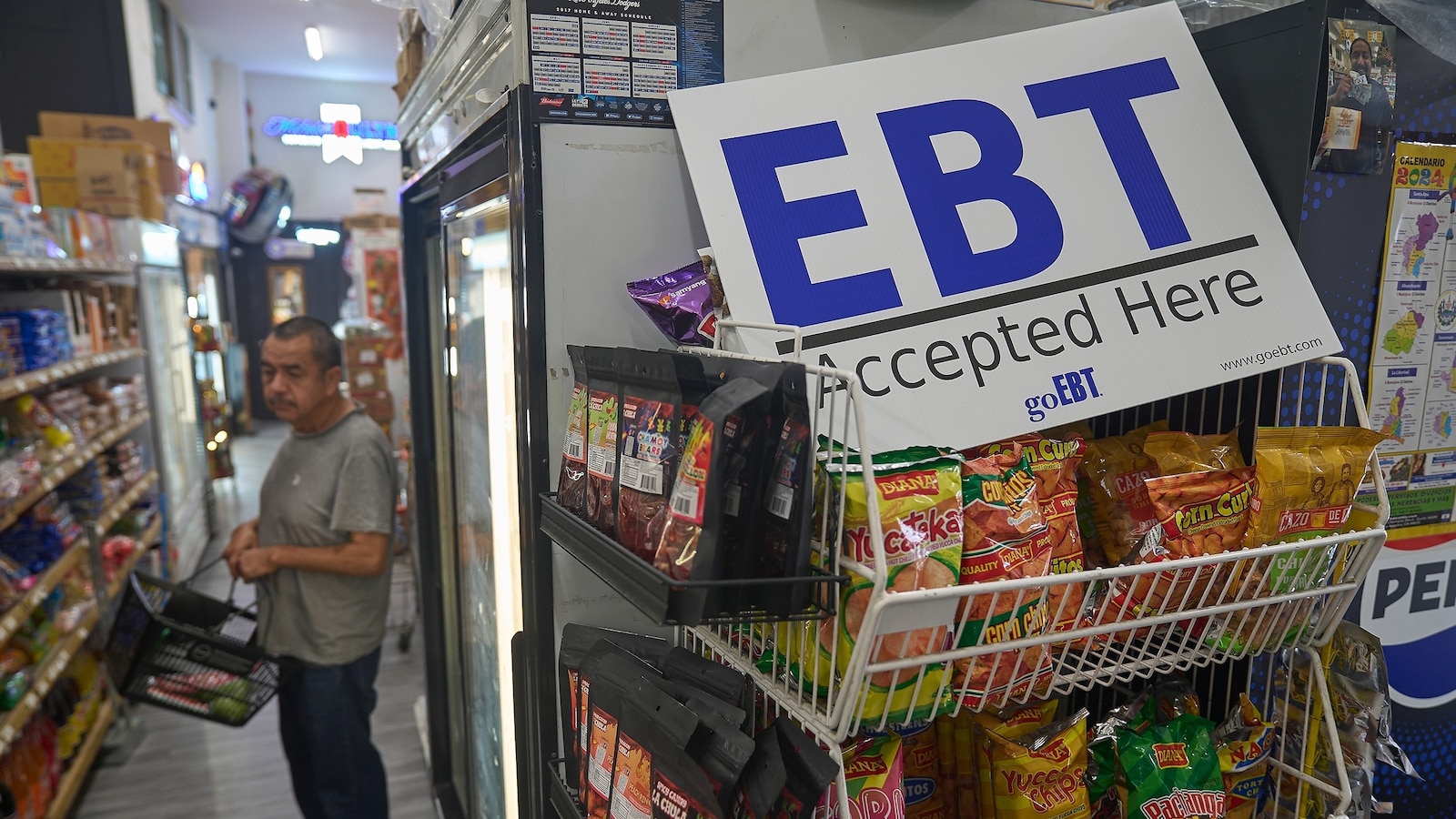
New SNAP work requirements tied to a federal "megabill" go into effect Feb. 1, tightening time limits and expanding the age range and narrowing exemptions; nearly 42 million Americans rely on SNAP and the CBO estimates roughly 1.1 million people will lose benefits between 2025 and 2034 (including 800,000 able-bodied adults and 300,000 parents/caregivers), with an additional ~1 million potentially affected by waiver removals. Exemptions for homeless individuals, veterans and former foster youth were removed and USDA says states must enforce the time limit and that 1.75 million people were already moved off SNAP, a shift that could modestly depress low-income consumer grocery demand and increase stress on food banks and social services.
Market structure: SNAP time‑limit changes (CBO ~1.1M fewer beneficiaries over 2025–34; headlines suggest ~2M at risk) disproportionately reduce low‑income grocery demand concentrated in urban/rural pockets. Winners: dollar/discount grocers (DG, DLTR), private‑label CPG; losers: regional supermarkets (KR, COST exposure mixed) and small neighborhood grocers. Pricing power shifts toward low‑price channels and food banks will see higher demand, squeezing margins for higher‑cost retailers over 1–4 quarters.
Risk assessment: Tail risks include rapid state‑by‑state injunctions or new waivers creating a patchwork (legal risk) and a political reversal after elections (regulatory risk) — both could swing demand +/-1–3% for impacted chains. Short horizon (days–weeks): volatility around Feb 1 implementation and USDA/state waiver headlines; medium (1–6 months): retail sales and weekly EBT redemption trends; long (≥1 year): structural share shift to discount formats if cuts persist. Hidden dependencies: SNAP usage correlates with unemployment and fuel prices; an economic downturn would amplify demand loss or re‑entry.
Trade implications: Tactical: favor long positions in dollar stores and private‑label suppliers and trim exposure to mid‑tier supermarkets and casual dining chains serving low‑income cohorts. Options: use 3‑6 month put spreads on exposed grocers (KR) and buy call spreads on DG/DLTR to lever upside. Monitor weekly USDA EBT redemption reports and state waiver counts as trade triggers (see decisions).
Contrarian: The headline panic likely overstates net demand shock — CBO’s 1.1M over a decade is modest vs 42M participants, so broad consumer staples and ag commodity bets are probably overdone. Historical parallel: 1990s welfare changes produced substitution to cheaper SKUs, not collapse — favor share‑shift trades (long discount, short mid‑tier) rather than macro commodity shorts. Watch for municipal budget strain that could create new fiscal support demand (a reversal catalyst).
AI-powered research, real-time alerts, and portfolio analytics for institutional investors.
Request DemoOverall Sentiment
moderately negative
Sentiment Score
-0.35
