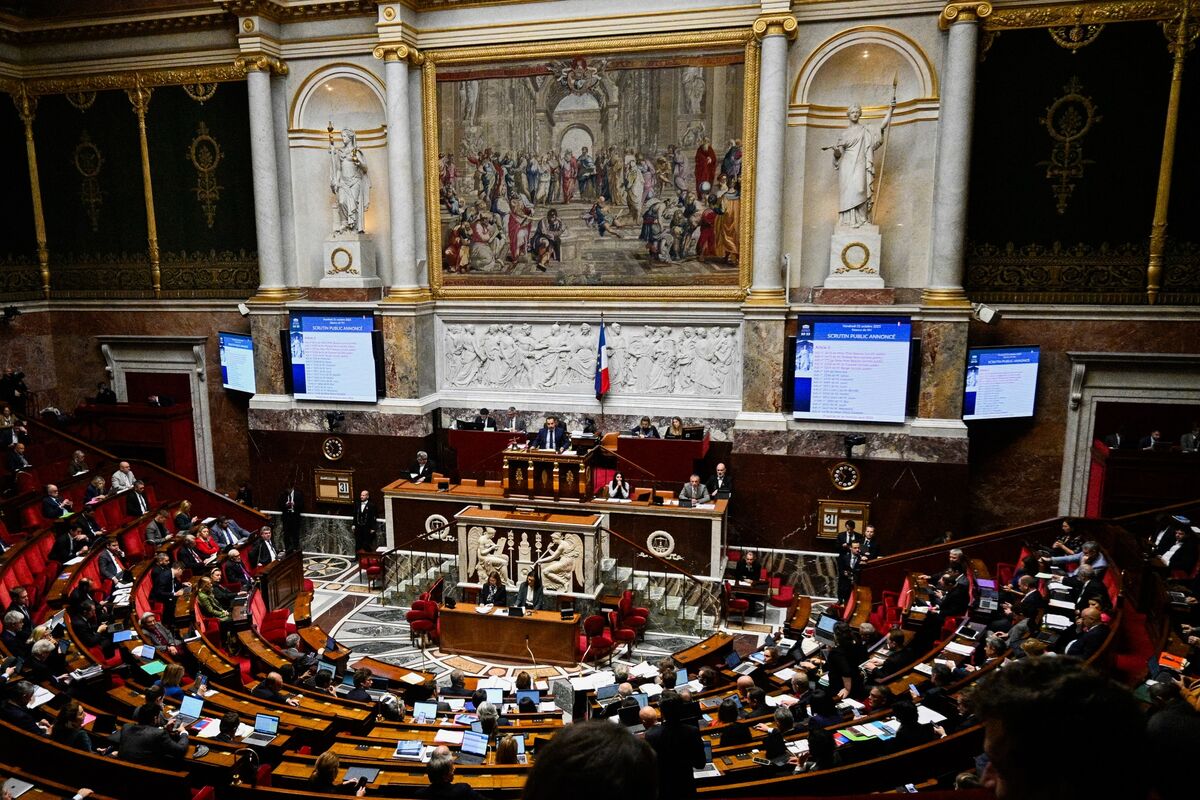
France's National Assembly rejected proposals for a 2% wealth tax on fortunes exceeding €100 million during a budget debate, a decision that risks Prime Minister Sebastien Lecornu's position. The rejection, which included a 'Zucman-lite' amendment, signals strong government and right-wing opposition to such levies, potentially impacting investor sentiment regarding fiscal policy stability in France.
France's National Assembly has rejected proposals for a new wealth tax, specifically a 2% levy on fortunes exceeding €100 million. This legislative decision carries significant political ramifications, notably risking the position of Prime Minister Sebastien Lecornu. The rejection signals a firm stance against increased taxation on capital within the current government and right-wing factions.
Leftist lawmakers advocated for the "Zucman tax," aiming to address wealth inequality, while Socialists introduced a "Zucman-lite" amendment with exemptions for specific businesses. Both proposals faced strong opposition from the government and right-wing parties, leading to their ultimate defeat. This highlights a clear ideological divide on fiscal policy within French politics.
The rejection of these wealth tax proposals, despite the associated political instability, can be interpreted as a mildly positive signal for capital and high-net-worth individuals in France. It suggests a continued reluctance to implement significant wealth redistribution through taxation, potentially fostering a more stable environment for investment. However, the ongoing political friction around budget debates introduces an element of uncertainty regarding future fiscal policy direction.
AI-powered research, real-time alerts, and portfolio analytics for institutional investors.
Request DemoOverall Sentiment
mildly positive
Sentiment Score
0.30
