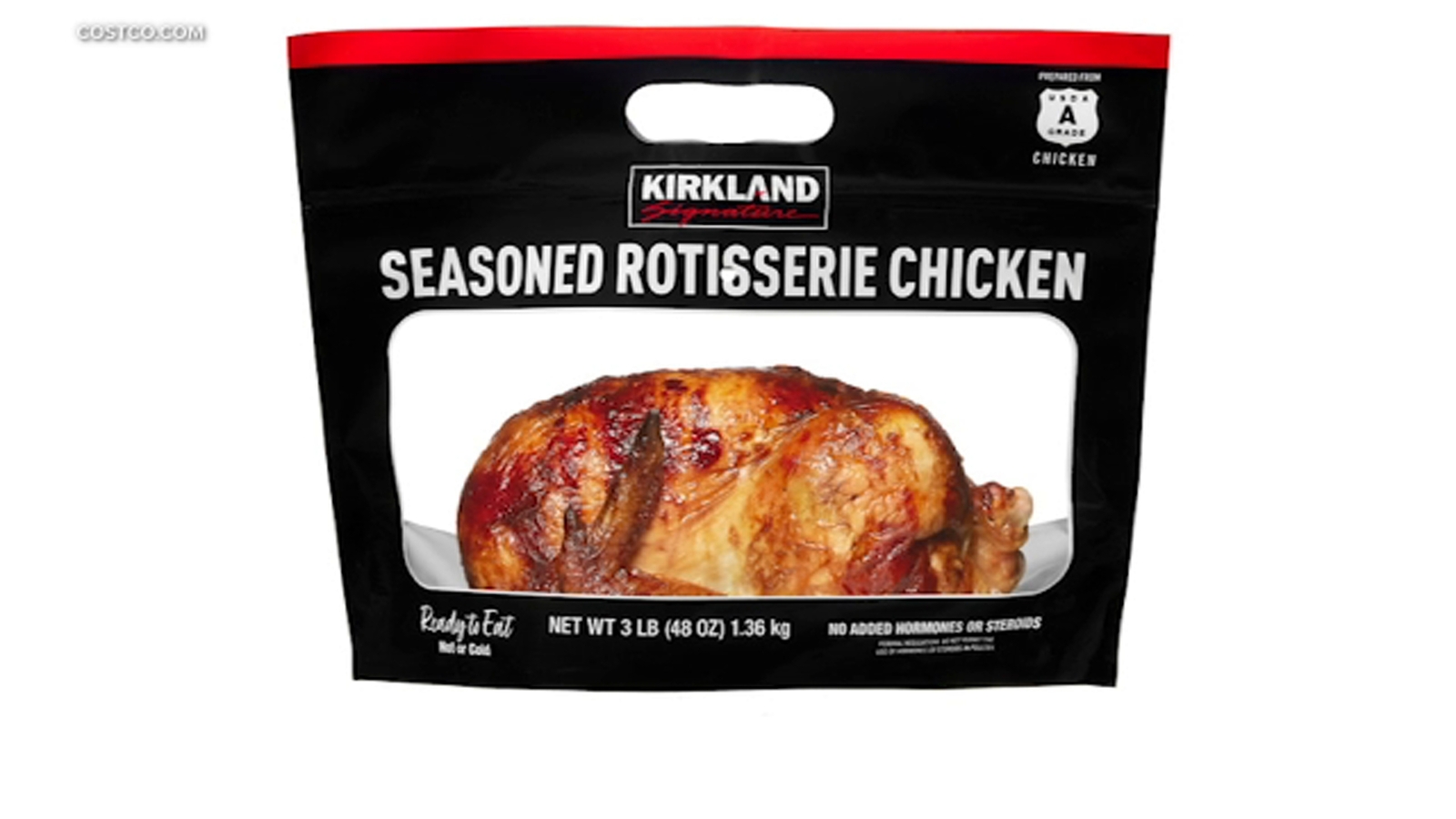
A proposed class action filed in federal court in San Diego alleges Costco falsely marketed its Kirkland Signature Seasoned Rotisserie Chicken as containing "no preservatives" despite listing sodium phosphate and carrageenan as additives. Plaintiffs claim they would not have purchased — or would have paid less for — the product and assert Costco has "systemically cheated customers" out of tens to potentially hundreds of millions of dollars. The suit raises reputational and litigation risk for Costco and could create contingent liability, though initial legal filing suggests limited near-term market impact absent escalation or material damages.
Market structure: The immediate economic impact is asymmetric and small — plaintiffs seek “tens–hundreds of millions,” which is <0.1–0.2% of Costco’s ~ $200–300B market cap, so direct balance-sheet hit is immaterial but reputational damage can depress traffic in deli/prepared foods for quarters. Winners are private-label competitors with cleaner labeling (smaller grocers, natural-food brands) who can seize share in local rotisserie categories; losers are Costco’s prepared-food margins and in-store impulse volumes if customer trust erodes. Cross-asset: expect modest uptick in COST options IV (10–25% relative rise short-term), negligible FX/bond moves, and near-term micro pressure on poultry spot prices only if demand materially drops (>5%), which is unlikely.
Risk assessment: Tail risks include class certification + regulatory fines or mandatory relabeling that triggers industry-wide recalls; a worst-case settlement >$500M would shave ~0.25% off market cap but could force marketing/packaging costs and membership growth slowdown. Timeline: immediate (0–7 days) headline-driven volatility; short-term (30–90 days) litigation filings and PR; long-term (6–18 months) brand/revenue impact if case certifies or spurs regulatory action. Hidden dependencies: supplier contracts (costs to reformulate/certify) and membership churn; catalysts include additional plaintiffs, FTC/State AG inquiries, or Costco changing labels within 30–90 days.
Trade implications: For portfolio managers, this is a hedging/alpha event not a fundamental short — Costco’s moat (membership, low prices) limits permanent damage. Tactical plays: buy short-dated protection on COST (3-month put spreads) sized to 1–2% portfolio risk, and consider a small relative trade long WMT (Walmart) vs short COST if headlines worsen and COST underperforms peers by >3% over 10 trading days. Rotate modestly away from prepared-food retail exposure (underweight Consumer Staples by 1–2%) until litigation clarity (90–180 days).
Contrarian angles: Consensus treats this as reputational noise; market may overreact to headlines but underprice regulatory contagion risk if multiple suits follow. Historical parallels (labeling suits vs. packaged-food giants) show most cases settle for low millions while sales revert within 6–12 months; however, if Costco silently reformulates or changes labels, short-term sell-off could present a buying window. Watch for company remediation (label changes/promos) — that would likely end the trade and create a 3–8% recovery bounce.
AI-powered research, real-time alerts, and portfolio analytics for institutional investors.
Request DemoOverall Sentiment
moderately negative
Sentiment Score
-0.35
Ticker Sentiment
