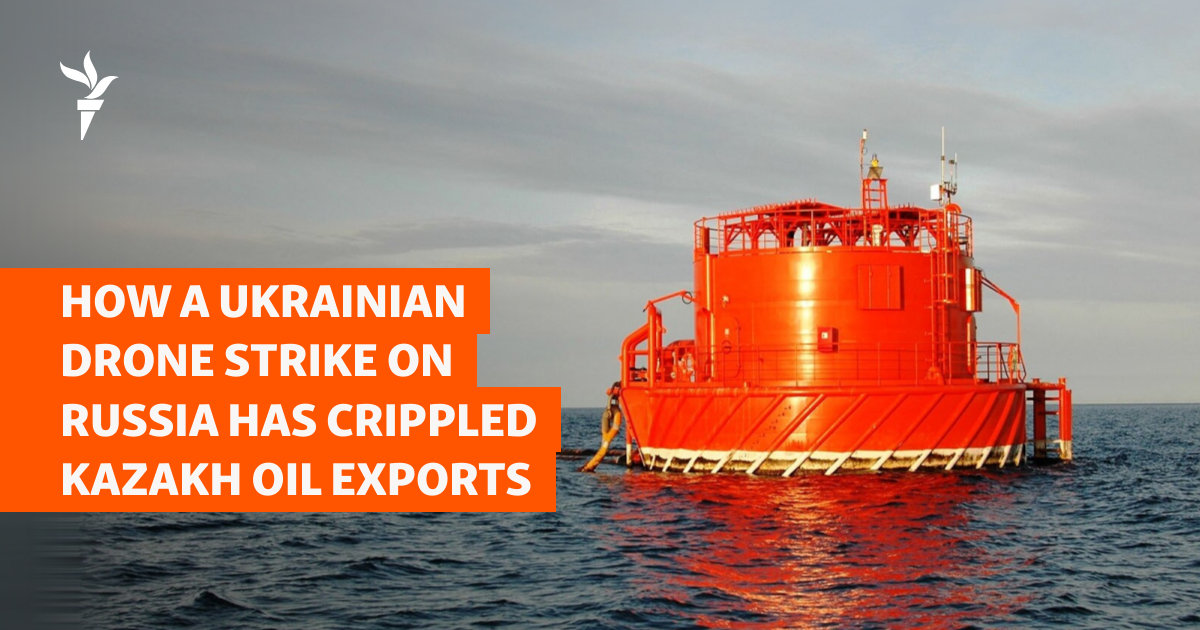
A naval drone strike on a Single Point Mooring (SPM) off Novorossiysk on Nov. 28 has effectively reduced offshore loading to one-third after one of three SPMs was hit and another was in maintenance; each mooring is cited at 800,000 barrels per day. The damage threatens Kazakhstan — which ships about 80% of its oil through the Caspian Pipeline Consortium to Novorossiysk and derives roughly 40% of export earnings from overseas oil sales — and could tighten light, sweet crude supplies used for gasoline in Europe (about one in nine EU petroleum-oil imports originates from Kazakhstan). Replacement SPMs cost $80–120m each and new units are not expected to be fully operational until mid–late 2026, raising near-term supply risk, potential price volatility, and geopolitical tensions that may influence buyers and regional flows.
Market structure: The Novorossiysk SPM hits effectively remove ~1.6 million bpd of offshore loading (two of three 800k bpd units), tightening seaborne flows immediately and disproportionately removing Kazakhstan’s light-sweet barrels that feed EU gasoline cracks. Winners are EU refiners processing light sweet crude (higher margins short-term), Russian spot sellers able to redirect volumes to Asia at smaller discounts, and tanker owners; losers are CPC/Kazakh exporters, EU fuel consumers, and minority Western investors in CPC (e.g., CVX exposure).
Risk assessment: Tail risks include repeat strikes or escalation that force prolonged Novorossiysk closure (high-impact, low-probability) and retaliatory policy moves (e.g., Kazakh rerouting or sanctions) that could restructure flows permanently. Immediate (days) = price/volatility spikes; short-term (weeks–6 months) = cargo reroutes, refinery feedstock substitution and crack widening; long-term (to summer–autumn 2026) = repair/installation of replacements likely to normalize flows, capping structural upside. Hidden dependencies: Caspian tanker availability, insurance/war-risk premiums, and Western corporate/political pressure on Kyiv.
Trade implications: Expect 3–8% short-term Brent upside and $3–8/bbl EU gasoline crack widening if outages persist >4–8 weeks; volatility (OVX/OVX-like) to surge. Favor short-dated directional option exposure to Brent/gasoline and tactical hedges on Chevron (CVX) due to 15% CPC stake; consider relative trades long European refinery/refining proxy vs integrated US majors. Cross-asset: KZT FX and Kazakhstan sovereign CDS should widen—opportunity to buy protection if duration >3 months.
Contrarian angles: The market may overprice permanence—replacement SPMs and repairs are costly but achievable, so medium-term normalization by H2–Q4 2026 is plausible; therefore prefer time-limited bullish option structures and avoid outright long-term commodity leverage. Historical parallels (2019 tanker shocks) show ~10% spot spikes then mean reversion over 3–9 months, so scale into rallies and sell strength in front-month futures rather than buy long-dated exposure.
AI-powered research, real-time alerts, and portfolio analytics for institutional investors.
Request DemoOverall Sentiment
moderately negative
Sentiment Score
-0.45
Ticker Sentiment
