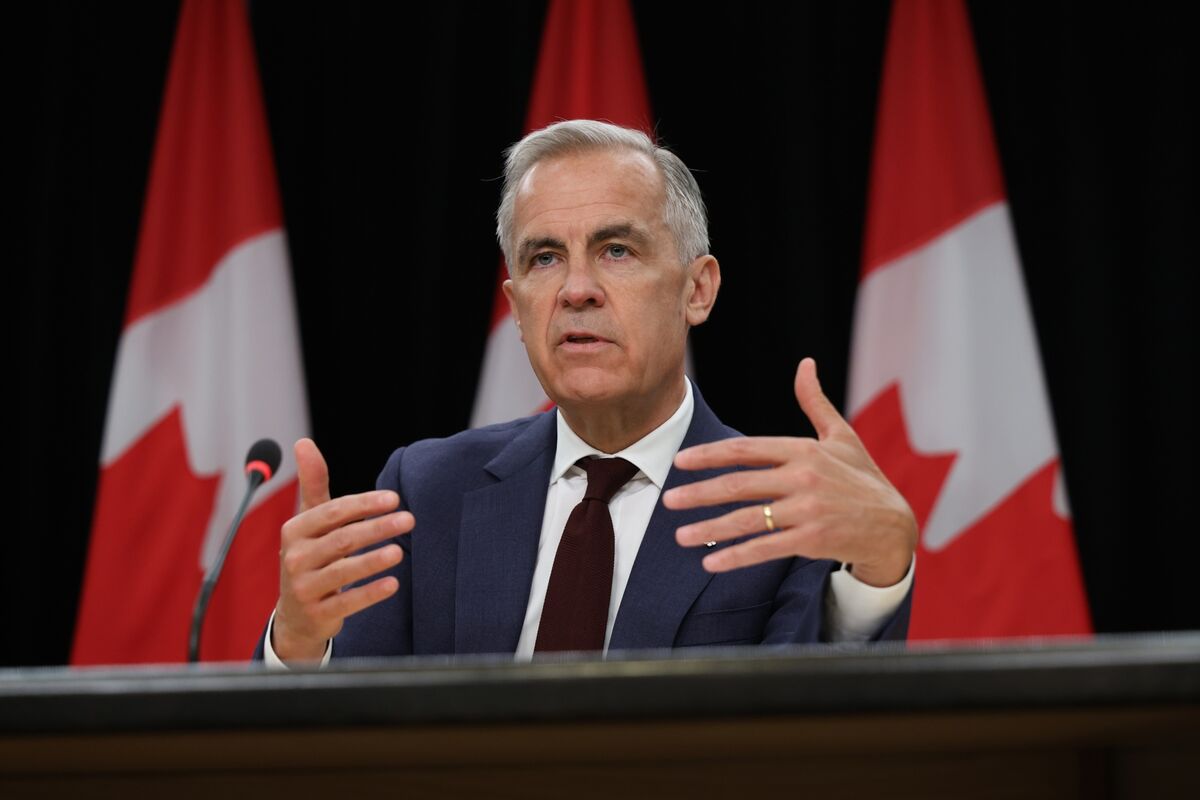
Prime Minister Mark Carney said Canada should pursue more diplomatic engagement with Iran and Venezuela, citing limited ground resources that constrain assistance to Canadians during crises. The comments followed back-to-back earthquakes west of Caracas that killed at least 164 people and injured more than 1,000. The piece is primarily geopolitical and humanitarian, with limited direct market impact.
This is less about immediate market beta and more about a slow repricing of Canada’s foreign-policy constraint set. When a government signals it needs diplomacy because it lacks operational reach, the market implication is that Ottawa is prioritizing de-escalation over enforcement, which modestly lowers the probability of abrupt sanctions expansion, asset freezes, or travel/security restrictions. That tends to be mildly constructive for any emerging-market risk asset proxies exposed to a wider normalization path, but the effect should be small and asymmetric: headlines can improve fast, while substantive channel reopening typically takes quarters and is vulnerable to any renewed detention, proxy conflict, or domestic political backlash. The second-order winner is probably Canada’s own political capital rather than any directly named country. A more pragmatic posture can reduce consular blowback and crisis-management costs, but it also creates vulnerability if either regime uses engagement to extract concessions without changing behavior; that would reintroduce reputational risk for Ottawa and keep Canadian businesses underweight on Iran/Venezuela exposure. For global investors, the more relevant read-through is to sanctions optionality: even a modest thaw can improve the odds of incremental oil-market barrels from Venezuela over 6-18 months, which matters more for heavy sour crude differentials than for headline Brent. The contrarian angle is that the market may overestimate near-term policy change. Diplomatic engagement is not the same as asset relief, and a humanitarian framing often precedes a tougher, more conditional negotiating stance rather than a genuine easing cycle. If anything, this lowers tail risk of immediate escalation but does not yet justify a material rerating of sanction-sensitive assets; the base case should be low-volatility diplomacy with a high probability of symbolic moves and low probability of economic normalization. For risk, the key catalyst window is days to weeks around any follow-up statement, ambassadorial contact, or multilateral coordination; the true inflection, if it happens, is months. A negative reversal would be any renewed hostage incident, military flare-up, or evidence that engagement is being interpreted domestically as weakness, which would quickly restore punitive rhetoric and freeze any thaw.
AI-powered research, real-time alerts, and portfolio analytics for institutional investors.
Request DemoOverall Sentiment
mildly negative
Sentiment Score
-0.15
