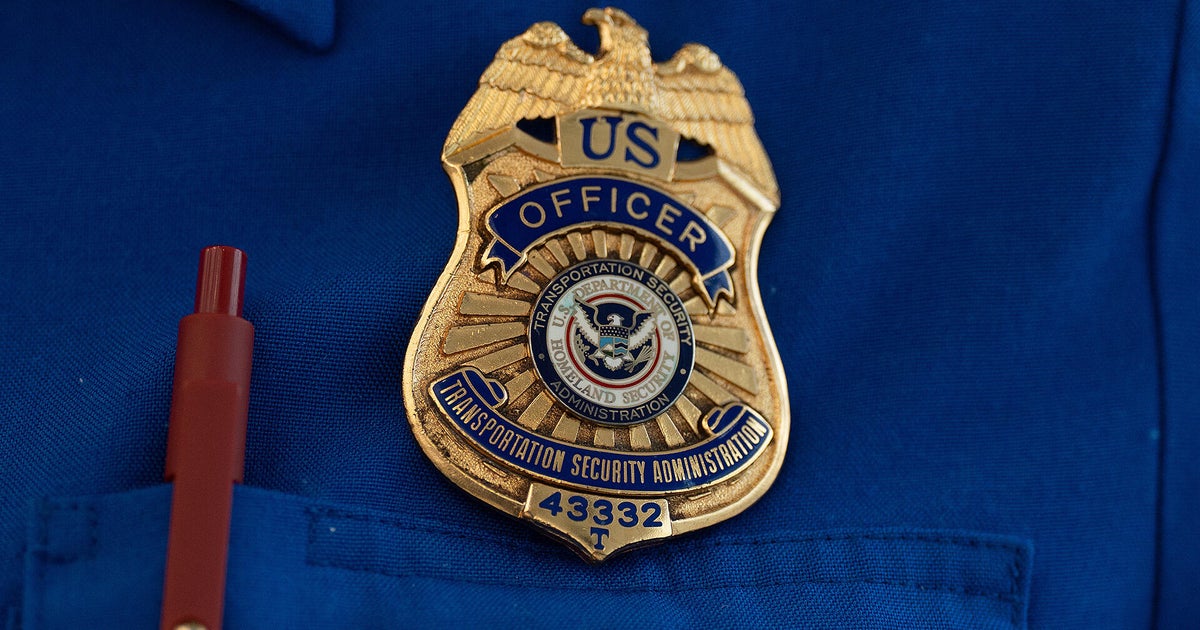
The Department of Homeland Security has been shut down for more than 40 days; the Senate passed a funding bill that excludes ICE while the House passed a competing bill to fund DHS for 60 days, leaving the impasse unresolved. The White House redirected funds to pay TSA agents, but TSA reported roughly 500 agents quit during the shutdown; ICE and CBP remain operational due to prior 2025 appropriations and ICE will continue assisting TSA until airports restore normal operations (Homan also cited a $120 million camera allocation).
Operationally, prioritizing physical security at airports creates a reallocation of labor and discretionary operating dollars within DHS that is likely to persist until a fiscal resolution is achieved. That preserves near-term demand for contractors that provide screening, perimeter security, and tactical manpower but squeezes budgets for non-priority programs (cyber, disaster prep) — expect differential spending outcomes across vendors over the next 1–6 months.
Second-order political risk is asymmetric: continued high-visibility deployments elevate the probability of confrontations and lawsuits that can trigger abrupt policy shifts or procurement freezes; legal and reputational events could accelerate congressional pressure for oversight or conditional funding within a 3–9 month window. Markets typically underprice this legal tail because direct vendor revenue can be sticky even as program scopes are narrowed — vendors with diversified federal portfolios will be less exposed to politicized program termination.
For transportation operators and commercial airport ecosystems, incremental security presence acts like a negative demand shock concentrated on a subset of hubs (those with protests, recent incidents, or high inspection friction). That produces localized volume risk for airlines and retail concessions and creates a tactical arbitrage: short-duration operational pain (days–weeks around incidents) versus longer-duration vendor demand (months until budget clarity). Position sizing should reflect the mismatch in time horizons between operational volatility and contract revenue recognition.
AI-powered research, real-time alerts, and portfolio analytics for institutional investors.
Overall Sentiment
neutral
Sentiment Score
0.00
