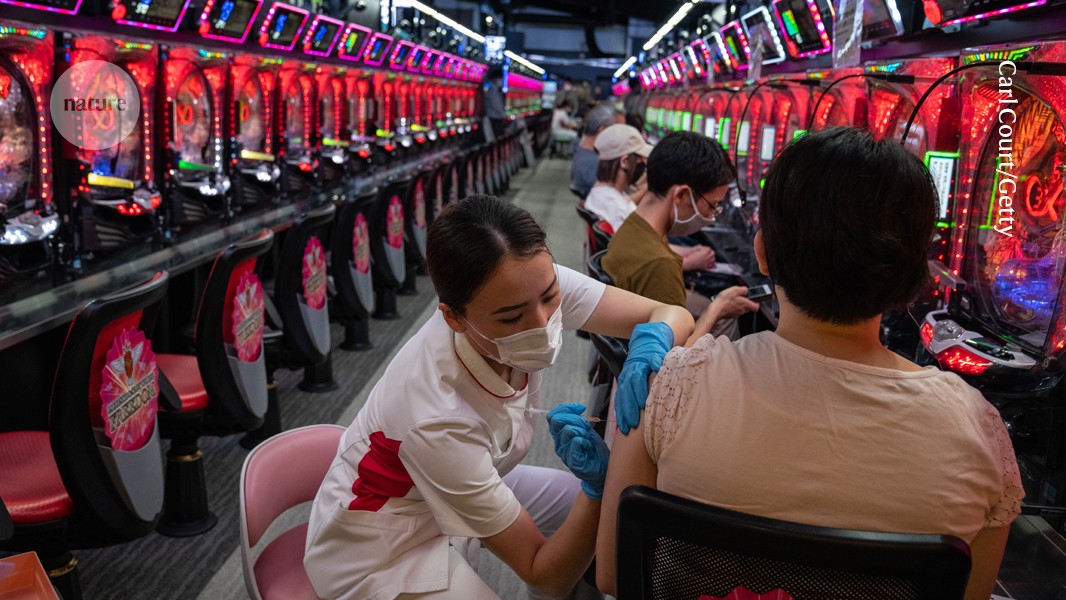
On 5 January the US revised its childhood vaccine guidance to remove blanket recommendations that all children receive vaccines for rotavirus, COVID-19, influenza, meningococcal disease, hepatitis A and hepatitis B, while retaining coverage for certain high‑risk groups and federal insurance benefits. Public-health experts warn the shift could fuel vaccine hesitancy, create legal risks for clinicians and impose long-term catch-up burdens—lessons drawn from Japan, where similar policy pullbacks were followed by rubella outbreaks, spikes in flu/pneumonia deaths and declines in uptake for vaccines such as HPV. The policy change thus raises public‑health uncertainty and potential downstream costs, though it is not an immediate market-moving event.
Market structure: Removing universal childhood vaccine recommendations shifts demand from point-of-care (pediatric practices, retail clinics) to a more fragmented, opt-in market and increases political/regulatory uncertainty. Winners are global vaccine manufacturers with diversified adult and international franchises (ability to pivot to catch-up campaigns); losers are US-centric retail clinic revenue lines and small pediatric practices that rely on preventive-care footfall. Cross-asset effects are modest but real: insurer medical-cost volatility could lift short-duration muni issuance for state outbreak responses, while equities in vaccine makers should see idiosyncratic volatility and pharmacies modestly underperform.
Risk assessment: Tail risks include localized outbreaks (low-probability, high-impact) causing sharp inpatient spikes and litigation risk for clinicians; a severe outbreak within 3–12 months could force emergency recommendation reversals and large catch-up purchase orders. Hidden dependencies include state-by-state school-entry requirements and private insurer coverage rules that may blunt or amplify demand; catalysts to reverse trends are CDC/HHS statement changes, litigation outcomes, or a measurable >10% rise in pediatric hospitalizations. Time horizons: headlines move stocks in days, policy reversals and catch-up procurement play out over 3–12 months, structural hesitancy effects over years.
Trade implications: Favor global vaccine exposure and suppliers while hedging US retail clinics and pharmacy vaccine-revenue lines. Use concentrated equity and option positions sized 1–3% of portfolio: allocate to manufacturers and suppliers for a 6–12 month catch-up scenario, and buy protective option structures on pharmacies for 3-month downside. Entry: initiate staggered buys over 2 weeks; exit or trim if CDC reinstates recommendations within 60–90 days or positions appreciate >20%.
Contrarian angles: Consensus overstates permanent demand loss in vaccines — the US is one market (≈5–10% of global vaccine volumes for many products); a retraction often precedes funded catch-up campaigns and procurement that benefits large manufacturers. Historical parallel: Japan’s rollbacks were followed by outbreaks and eventual catch-up orders — expect a similar rebound within 6–18 months rather than permanent secular decline. Unintended consequence: shorting pharmacies could be costly if they capture catch-up clinic volumes; size shorts conservatively and use option spreads.
AI-powered research, real-time alerts, and portfolio analytics for institutional investors.
Request DemoOverall Sentiment
mildly negative
Sentiment Score
-0.25
